Identify the connected system
Note whether the concern involves irrigation, a tank, pump, appliance, geyser, hose tap, commercial fixture or main water line.
Backflow prevention
Backflow prevention protects clean water by stopping unwanted reverse flow from appliances, tanks, hoses, irrigation and pressure changes.
Plumb A Nator helps with backflow prevention concerns where plumbing layouts, valves, appliances, tanks or irrigation points may allow water to move in the wrong direction. This service focuses on practical protection: identifying risk points, checking valve layout, separating clean-water and waste risks, and explaining when a non-return or vacuum-breaker arrangement should be considered.
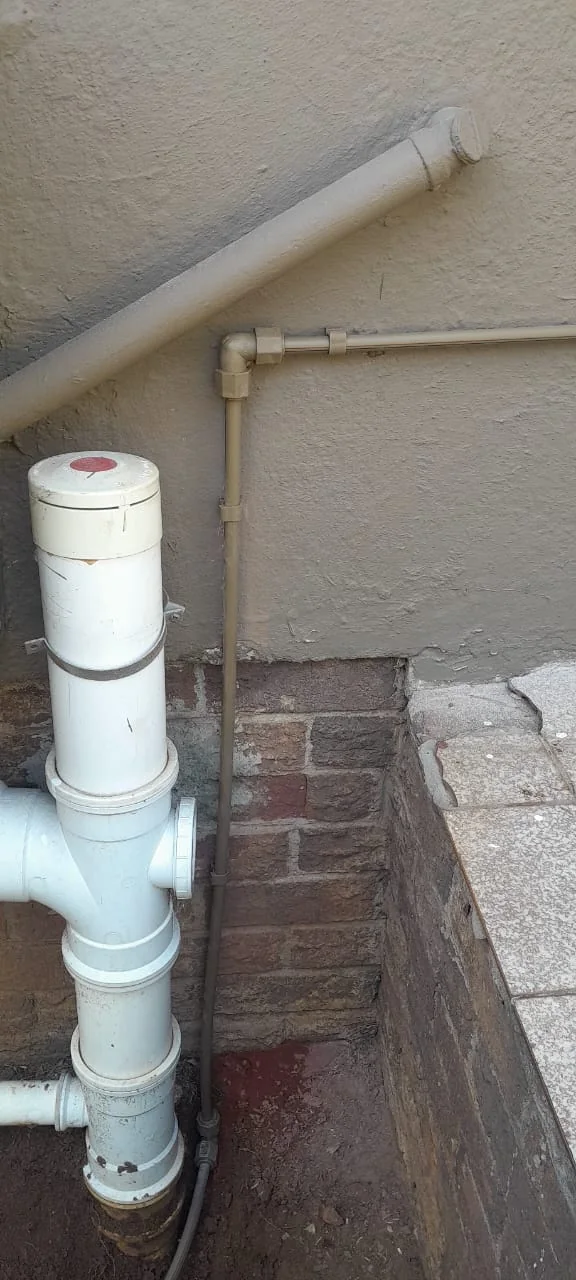
Backflow risk diagnosis
Backflow can happen where pressure changes, hose connections, tanks, irrigation points, appliances, geyser components or poor valve layouts allow water to move backward. A proper check looks at the plumbing route and the risk point rather than treating every valve as the same.
Useful details include the affected fixture, water source, valve position, whether tanks or pumps are involved, whether irrigation connects to the supply, and whether the concern appears during pressure drops or appliance use.
Before the team arrives
Backflow concerns are easier to assess when the valve layout, hose route, tank connection or appliance connection is still visible. Do not remove parts before the risk point is understood.
Note whether the concern involves irrigation, a tank, pump, appliance, geyser, hose tap, commercial fixture or main water line.
Clear access to non-return valves, vacuum breakers, stop taps and pressure-control parts so direction and condition can be checked.
If water looks discoloured, smells unusual or appears contaminated, avoid using it for drinking until the source is checked.
Mention if the issue happens when water pressure drops, pumps start, irrigation runs or another fixture is used.
How the visit is handled
The visit checks where water could reverse, whether the valve is correctly positioned, whether a vacuum breaker or non-return valve is appropriate, and whether the connection creates a cross-connection risk.
The clean-water feed, connected fixture and possible reverse-flow path are identified first.
Non-return valves, vacuum breakers, pressure parts and isolation valves are checked for position, condition and suitability.
The layout is assessed to reduce cross-connection risk between clean water, waste, tanks, hoses or appliances.
Where practical, flow direction and valve response are checked, then the customer is told what to monitor.
Backflow prevention service
The sections below separate domestic and commercial backflow concerns so each one gets practical signs, hints and likely protection routes.
Non-return valves help stop water from moving backward through a line, but they must suit the direction, pressure and system use.
What to look for: Arrow direction, old valve bodies, leaking joins, pressure changes, water moving from tanks or repeated valve noise.
Helpful hint: A valve fitted the wrong way or in the wrong place can create flow problems instead of protection.
Vacuum breakers help protect certain plumbing systems from siphonage where negative pressure could pull water backward.
What to look for: Missing vacuum breakers, incorrect geyser valve layout, dripping parts, odd pipe routing or work done around geyser supplies.
Helpful hint: Vacuum breaker concerns are especially important around geyser and pressure-control arrangements.
Garden hoses, chemical sprayers and irrigation systems can create backflow risk if connected directly without suitable protection.
What to look for: Hoses left in buckets, irrigation fertilizer feeds, pump connections, outside taps or water changes after garden system use.
Helpful hint: Do not leave hose ends submerged in pools, buckets or chemicals where pressure changes could pull water backward.
Water tanks and pumps need careful separation and valve planning to avoid unwanted reverse movement into the supply route.
What to look for: Tank feeds, booster pumps, switching valves, low pressure, unusual flow direction or water quality changes after pump operation.
Helpful hint: Tank systems should be checked as a layout, not only as one valve.
Some appliance connections, hose feeds and waste routes can create backflow or siphonage concerns when installed poorly.
What to look for: Dishwasher smells, washing-machine discharge issues, connected hoses, open spigots or water appearing where it should not.
Helpful hint: Backflow prevention is part of safe appliance plumbing, especially where clean water and waste routes sit close together.
Business premises can have more risk points because kitchens, cleaners, hoses, tanks and shared fixtures may connect to the same water system.
What to look for: Janitor points, hose bibs, chemical dosing, shared bathrooms, food prep areas or staff kitchen connections.
Helpful hint: Commercial sites should know which fixtures connect to clean water and where backflow protection is installed.
Common causes
Backflow is less about one visible leak and more about layout, pressure and whether connected systems can push or pull water the wrong way.
A sudden pressure drop can create conditions where water is pulled backward from a connected point.
A hose left in dirty water, chemicals or a container can become a siphon risk.
Some systems need non-return or vacuum-breaker protection to reduce reverse-flow risk.
Clean-water, tank, irrigation, appliance and waste-related routes should not be connected casually.
Prevention and after-care
Good backflow prevention is a practical mix of correct valves, separation, access and customer awareness.
Do not box in backflow valves or vacuum breakers where they cannot be checked.
Keep hose ends out of buckets, drains, pools and chemical containers.
New appliances, tanks, irrigation or commercial fixtures can change the backflow risk layout.
Shops, offices and body corporate sites should treat backflow prevention as part of routine plumbing risk management.
Backflow Prevention service areas
Mention the fixture, valve, tank, pump, irrigation point or appliance connection involved.
Backflow Prevention FAQ
These answers explain reverse-flow risk, non-return valves, vacuum breakers and connection planning in plain language.
Backflow is unwanted reverse movement of water through a plumbing system. It can happen when pressure changes or when a connected system allows water to move back toward the clean-water supply.
Backflow prevention helps protect clean water from contamination risks linked to hoses, tanks, appliances, irrigation, chemicals, waste routes or poor cross-connections.
A non-return valve is designed to allow flow in one direction and reduce reverse flow. It must be installed in the correct direction and in a suitable position.
A vacuum breaker helps reduce siphonage risk when negative pressure could pull water backward. It is often relevant around geysers and certain supply arrangements.
Yes. A hose left in a bucket, pool, drain or chemical container can become a risk if pressure conditions pull water backward.
Yes. Appliance plumbing should separate clean-water supply from waste routes and avoid hose layouts that create siphonage, smell or reverse-flow concerns.
Tank and pump systems can create reverse-flow concerns if valves and connections are poorly planned. The full layout should be checked.
Direction arrows, valve position, system layout and flow behaviour all matter. A valve installed backward or in the wrong location may restrict flow or fail to protect the right point.
No. Homes, complexes, rentals, restaurants, laundries, workshops and garden systems can all have backflow risk points.
Dirty or unusual water can have many causes, but backflow risk should be considered when water quality changes after pressure drops, pump use, irrigation or nearby plumbing work.
Avoid setups where chemical containers can connect directly to a clean-water hose route. Keep hose ends out of containers and ask for proper protection where chemicals are used.
A faulty, blocked or incorrectly fitted valve can affect flow. The valve type and position should suit the system.
Helpful details include the fixture, valve, tank, pump, hose, appliance or irrigation point involved and when the problem appears.
Commercial sites with hoses, kitchens, cleaners, tanks, irrigation or shared fixtures should treat backflow checks as part of plumbing risk management.
Often yes, depending on access, pipe layout, valve space and the specific risk point that needs protection.
Need backflow prevention support?
Share the connection point, valve layout, system type and any water-quality or pressure symptoms.