Stop feeding the fault
Do not flush, run taps or use appliances connected to the affected line while water or waste is backing up.
Emergency plumbing
When water or waste is spreading, the first job is to control the source, protect the property and choose the safest repair route.
Plumb A Nator helps with urgent plumbing faults where delay can cause damage: burst pipes, overflowing drains, blocked toilets, geyser leaks, ceiling water, valve failures and uncontrolled water flow. This service focuses on emergency response rather than general plumbing, so each section explains what to look for, what to avoid and what information helps the team act faster.
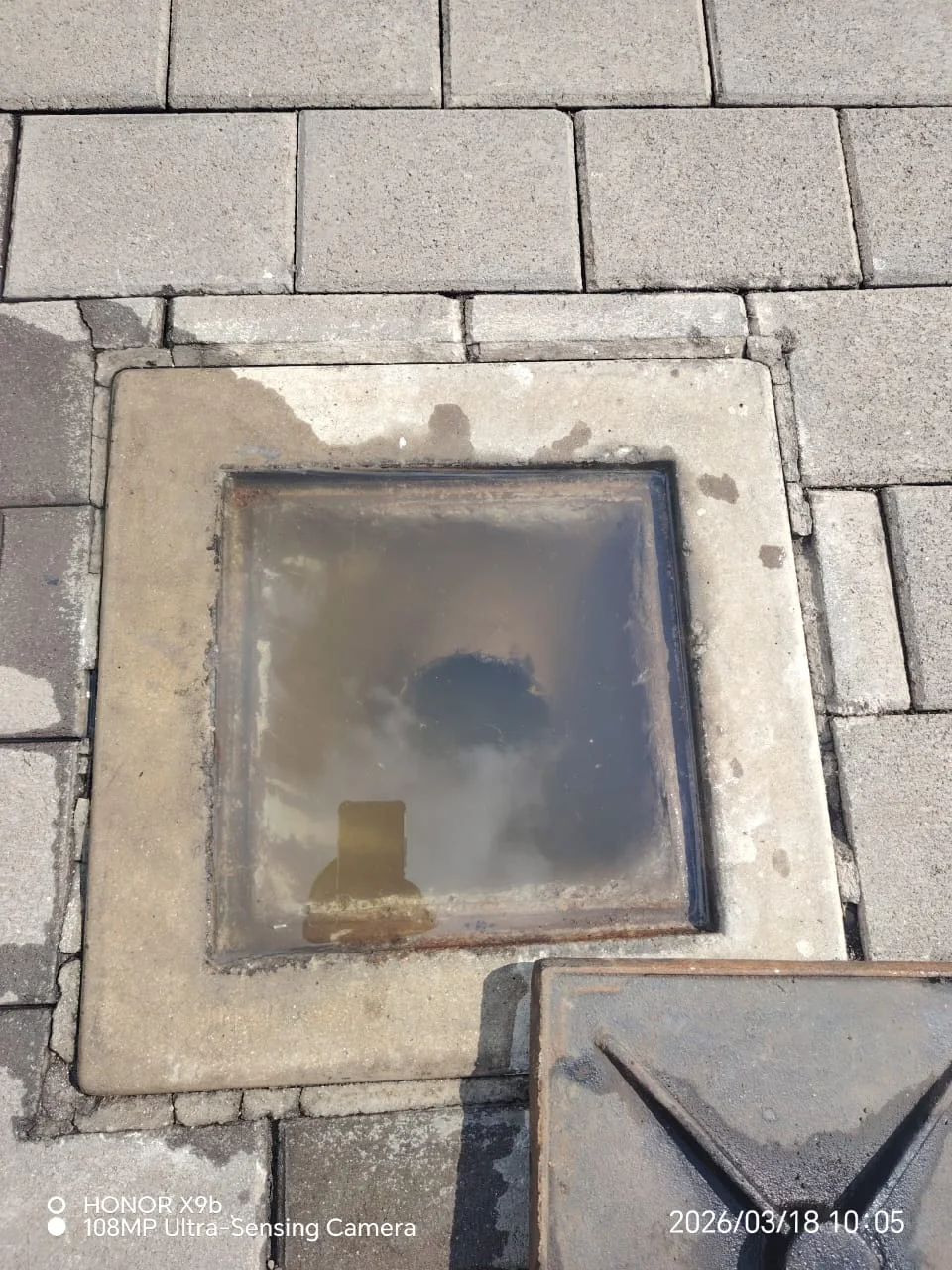
Emergency triage
An emergency visit is about control first: stop the feed where possible, prevent the water or waste from spreading, and decide which repair path is safest once the site is stable.
For an emergency, the most useful details are the room affected, whether the stop tap has reduced the flow, whether waste or clean water is spreading, and one safe photo of the source if possible.
Before the emergency team arrives
Do not add more water to the fault. Stop using the fixture, close a safe valve if you can, keep people away from wet electrical points, and send photos only where it is safe.
Do not flush, run taps or use appliances connected to the affected line while water or waste is backing up.
Close the nearest working valve or main stop tap if it is safe and easy to reach. Do not force a stuck valve.
Clear a path to the leak, valve, geyser, drain, pan or ceiling hatch so the first checks can start quickly.
Note when the fault started, which fixtures are affected and whether the water slows when a valve is closed.
Damage-control sequence
Clean-water leaks, wastewater overflows and geyser discharge behave differently. Each emergency is checked by source, spread, access, isolation and safety risk.
The team checks whether the emergency is from a supply pipe, drain line, toilet, geyser, valve, appliance point or ceiling route.
Water or waste movement is controlled where possible so floors, ceilings, cupboards, tenants or stock are protected.
Once stable, the fault is routed toward the correct service: burst pipe repair, blocked drain clearing, toilet clearing, geyser work or leak detection.
The repair route, access requirement and after-care signs are explained so the emergency does not become a confusing guesswork job.
Emergency plumbing service
The sections below separate the main emergency types so the page does not treat every urgent call as the same problem.
Active leaks from pipes, valves, flexi connectors or appliance points need fast isolation before water reaches cupboards, flooring or electrical areas.
What to look for: Water running continuously, hissing sounds, wet cupboards, spreading floor water or a meter that moves when fixtures are off.
Helpful hint: Keep the leak visible and close a safe valve only if you can do so without forcing it.
A burst pipe can release pressurised water into ceilings, walls, rooms, gardens or shared spaces until the supply is controlled.
What to look for: Sudden pressure loss, water through ceilings, spraying pipework, wet walls, flooding or rapid meter movement.
Helpful hint: Tell us whether the water stops when the main stop tap is closed and whether the pipe material is visible.
Overflowing drains can push wastewater back through sinks, showers, toilets or outside gullies when the line cannot carry flow away.
What to look for: Gully water rising, shower backup, sink overflow, toilet bubbling or waste smell after another fixture drains.
Helpful hint: Stop using fixtures on that side of the property until the blockage route is checked.
A toilet overflow becomes urgent when water rises close to the rim or wastewater reaches the bathroom floor.
What to look for: Pan filling high, bubbling, dirty water on the floor, repeat flushing failure or nearby drains reacting.
Helpful hint: Do not flush again to test it. One extra flush can turn a contained blockage into a cleanup problem.
Geyser leaks may involve the cylinder, valves, overflow, drip tray, discharge route or hot-water pipework.
What to look for: Ceiling water below a geyser, heavy overflow discharge, wet cupboard, tripped power or water near the tray.
Helpful hint: Keep away from electrical points and mention whether the water is hot, cold, dripping or running.
Water through ceilings or walls may come from supply pipes, geyser valves, upstairs fixtures, roof-linked routes or hidden pipe faults.
What to look for: Fresh ceiling marks, dripping boards, bulging paint, damp walls, warm patches or water appearing after fixture use.
Helpful hint: Do not stand under sagging ceiling material. The source should be isolated before opening finishes.
Emergency fault categories
Clean-water pressure, wastewater overflow and geyser discharge each need a different first response.
Burst pipes, failed valves, flexi connectors and supply-line leaks usually keep running until the water feed is controlled.
Toilet, drain, shower, sink and gully overflows need the fixture taken out of use before the blockage is cleared.
Geyser leaks and overflows require attention around valves, pressure control, drain routes and electrical safety.
Ceiling marks, wall damp and meter movement may need emergency control first, followed by leak detection or pipe repair.
Emergency preparation
Knowing valves, access points and early signs can make emergency damage-control faster.
Find the main stop tap and local isolation valves before a crisis happens.
Do not block valve boxes, geyser access, outside gullies, trap cupboards or ceiling hatches permanently.
Slow drains, damp marks, weak pressure, dripping valves and recurring toilet issues are easier to handle before they become urgent.
Keep the contact number available so you can call before water spreads through the property.
Emergency Plumbing service areas
For emergency calls, mention the suburb, property type, affected room, access gate details and whether water or waste is still moving.
Emergency Plumbing FAQ
These emergency answers focus on first response, isolation, overflows, ceiling water and urgent damage-control decisions.
Call when water is actively spreading, a pipe has burst, a drain or toilet is overflowing, a geyser is leaking heavily, a ceiling is dripping, or you cannot isolate the water supply safely.
Stop adding water to the problem, close a safe valve if possible, keep people away from wet electrical points and call for guidance before damage spreads.
An active burst pipe is urgent because pressurised water can damage ceilings, cupboards, walls, floors and neighbouring units quickly.
Stop using the affected fixture and avoid repeated flushing or running taps into the same waste route until the blockage has been assessed.
Avoid strong chemicals when a line is holding water because they can sit in the pipe or pan and create splash risk during clearing.
Your area, affected room, whether water is still running, valve status and safe photos of the leak, drain, geyser or overflow all help.
Yes, especially when water is entering a ceiling, running from the cylinder area, overflowing heavily or affecting electrical points.
Treat ceiling water as urgent, avoid wet electrical areas and do not stand under bulging boards while the source is being isolated.
Emergency plumbing first controls active damage and restores safe use; normal plumbing can be planned around non-spreading repairs or upgrades.
Emergency help is intended for active leaks, overflows and urgent faults that cannot wait; phone to confirm the response route.
Knowing the main stop tap helps reduce damage, but do not force a stuck or unsafe valve.
Mention neighbouring units, body corporate areas, shared drains, ceilings and common walls because access and communication matter.
It can be urgent if it follows a leak, burst pipe, valve failure, pump issue or geyser fault.
Some emergencies are repaired on the first visit; others need isolation first and a planned repair after access, parts or tracing are confirmed.
Stop using the fixture, isolate water if safe, keep access clear, move loose items away and avoid electrical points near water.
Need emergency plumbing?
Share the source, room, suburb and whether a valve has slowed the problem so emergency guidance can start clearly.