Booster pump plumbing
Look for weak pressure at showers, slow appliance fill, pressure dropping upstairs or taps pulsing when more than one outlet is open.
Helpful hint: note whether pressure is poor everywhere or only at certain fixtures.
Pump installation
A pump installation must match the water source, pipe size, pressure control, electrical position and real demand of the property.
Plumb A Nator helps with practical pump installation where homes, complexes, tanks or business premises need stable water movement without leaks, short cycling or pressure damage. This service focuses on plumbing-side planning: suction and discharge routes, valves, isolation, pressure behaviour, tank connection points and service access before a pump is fitted into daily use.
Focused service
Look for weak pressure at showers, slow appliance fill, pressure dropping upstairs or taps pulsing when more than one outlet is open.
Helpful hint: note whether pressure is poor everywhere or only at certain fixtures.
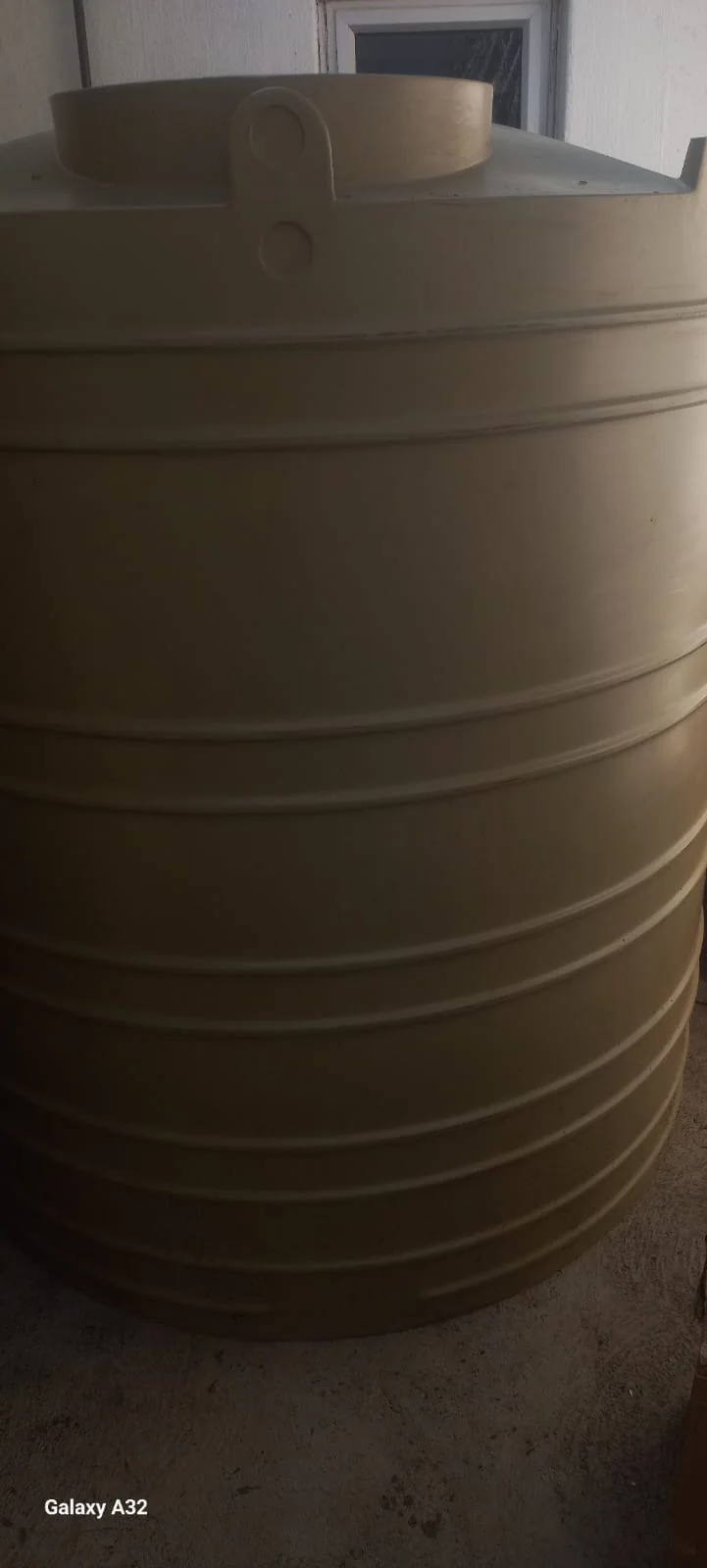
A pump linked to a JoJo tank needs sensible suction routing, isolation valves, protection against debris and a discharge route that suits the property.
Helpful hint: keep the tank label, pump label and pipe route visible for photos.
A pump that switches on and off quickly can point to pressure settings, air leaks, faulty control, unsuitable demand or poor pipe layout.
Helpful hint: record a short video of the pump cycling noise before switching anything off.
Pump systems rely on valves that allow service access and stop reverse flow where needed. Poor valve placement can make future repairs messy.
Helpful hint: mark which valve currently stops water before the team arrives.
Pipe size, bends, distance, height and restrictions affect whether the pump can move water without noise, cavitation or pressure loss.
Helpful hint: mention if the pump will sit below, beside or above the tank outlet.
Shared systems need careful planning around access, water interruption, tenants, operating hours and a responsible contact on site.
Helpful hint: confirm who can approve isolation or shutdown before work starts.
Before we arrive
Tell us whether the pump draws from a JoJo tank, municipal backup, borehole storage, existing line or pressure booster setup.
Clear access to the tank outlet, pump position, electrical point, valves and pipe route so the layout can be checked.
If a valve is stuck or leaking, do not force it. A broken valve can turn pump work into a wider shutdown.
Visit process
Confirm the water source, demand pattern and pump position.
Check pipe route, valve layout, non-return needs and service access.
Connect the pump plumbing route with suitable isolation and leak-safe joints.
Test fill, flow, pressure behaviour and visible leaks before handover.
Related plumbing help
Useful when the pump forms part of a storage tank, backup water or rainwater system.
Helpful when pressure instability may damage pumps, valves or connected fixtures.
Important where stored water, pumps or municipal backup points need reverse-flow protection.
Use this when pump pipework needs a cleaner route or better access.
FAQ
A pump may be needed when tank water must be moved into the property, pressure is too weak, a booster system is required or a backup water setup needs controlled delivery.
Yes, when the tank outlet, suction route, valves, pump position and discharge line are planned correctly.
Short cycling can come from pressure control issues, air leaks, small leaks, incorrect settings, poor demand matching or unsuitable pipe layout.
Yes. A pump must suit the water source, fixture demand, pipe route and pressure needs. Oversizing or undersizing can create noise, cycling or poor performance.
Yes. Poor joints, unsupported pipework, vibration and bad valve placement can cause leaks around pump connections.
Yes. Isolation valves help future servicing and reduce disruption when the pump or pipework needs attention.
A non-return valve helps reduce reverse flow and can protect the intended direction of water movement when correctly positioned.
It can, but the cause of poor pressure should be checked first. Pipe size, geyser setup, valves and restrictions also affect shower pressure.
Yes. Shared pump systems need planning around access, shutdown timing, valve control and the person authorised to approve work.
Noise can come from vibration, pipe strain, cavitation, mounting position, poor suction conditions or pump selection.
Photos of the tank, pump position, valves, pipe route, labels and the area where water must feed help with planning.
Most pressure pumps need a suitable electrical supply. Plumbing work should be coordinated so water and electrical safety are both considered.
Often yes, if weather exposure, drainage, support, service access and electrical safety are considered.
Loss of prime can point to air entering the suction line, leaks, valve faults, low tank level or poor suction layout.
The system is filled, run and checked for leaks, pressure behaviour, cycling, valve operation and flow at the intended outlets.
Service areas