Watch the overflow route
Notice whether the overflow pipe drips slowly, runs continuously or only releases water after heating. The pattern helps identify whether pressure, expansion or valve failure may be involved.
Geyser repairs
A geyser repair should separate a valve fault, electrical fault, pressure problem and cylinder concern before parts are replaced.
Plumb A Nator helps with domestic geyser problems where hot water has stopped, overflow pipes are running, ceilings are wet, valves are dripping or the cylinder area is showing warning signs. The page focuses on repair decisions, safety checks and practical symptoms so the repair route matches the actual fault instead of replacing parts blindly.
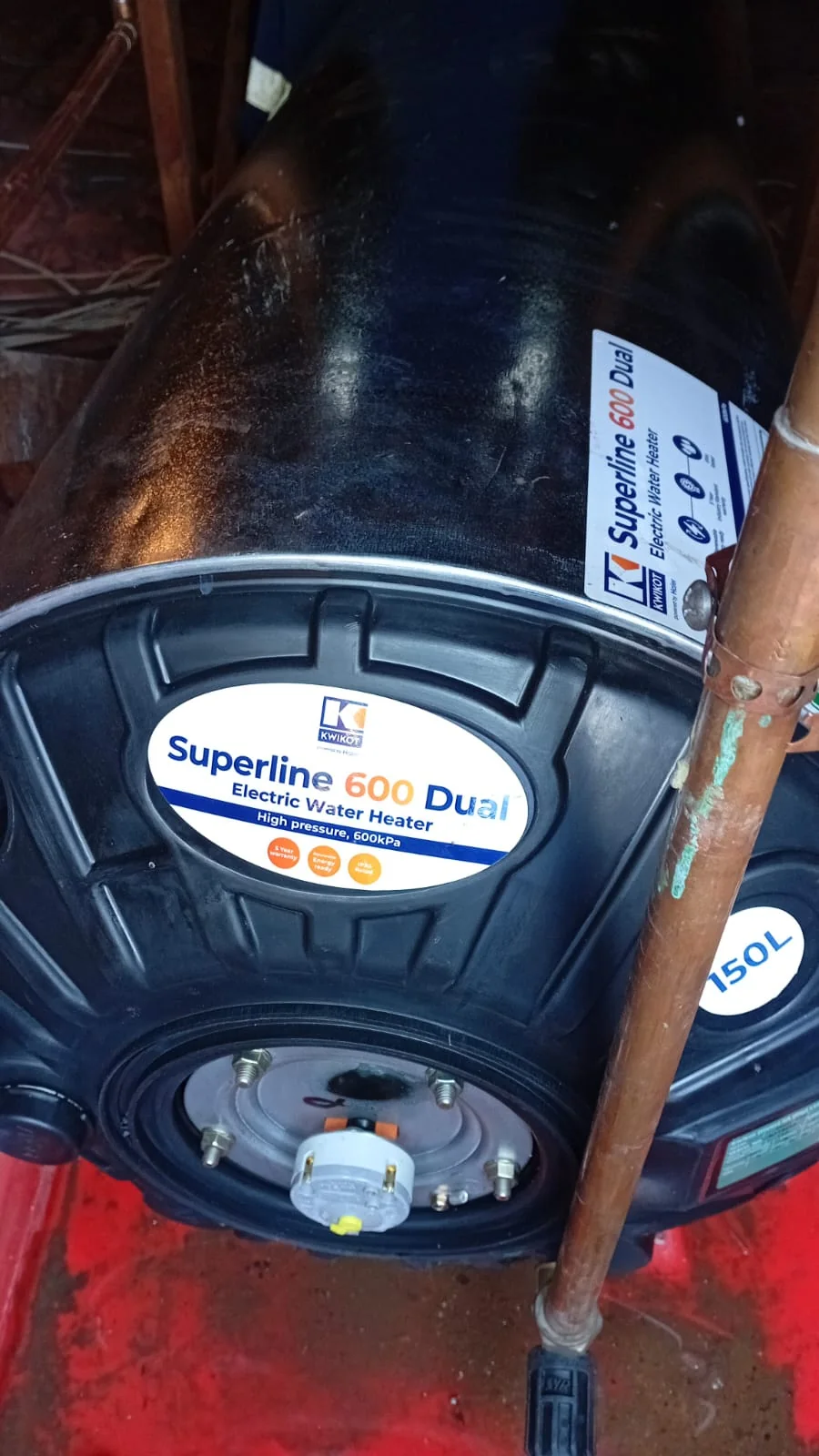
Geyser fault diagnosis
A geyser can fail through a thermostat, element, safety valve, pressure control valve, vacuum breaker, overflow route, pipe connection or ageing cylinder. Each symptom tells a different story, so the first step is to separate the source of the water or hot-water failure before deciding on parts or replacement.
Useful geyser details include the cylinder location, age if known, whether there is no hot water, whether the overflow is dripping or running, whether the drip is hot or cold, whether the DB board has tripped, and whether ceiling boards or cupboards are already wet.
Before the team arrives
Geyser faults can involve hot water, pressure and electricity, so the safest first step is to avoid touching wet electrical points and to keep the geyser area visible for checking. If water is actively spreading, phone for guidance before trying to isolate anything unfamiliar.
Notice whether the overflow pipe drips slowly, runs continuously or only releases water after heating. The pattern helps identify whether pressure, expansion or valve failure may be involved.
Clear the ceiling hatch, cupboard, passage or outside geyser area so valves, pipes, drip trays and overflow routes can be checked without delay.
Do not open geyser electrical covers or touch switches in wet areas. A tripped breaker, no hot water or burning smell should be reported clearly.
A photo of the geyser label, valve set, overflow pipe, drip tray outlet and wet area can help prepare the repair route before arrival.
How the visit is handled
The visit checks whether the issue sits at the cylinder, element, thermostat, valve set, overflow route, pressure control or surrounding pipework. That keeps the work focused on the cause instead of replacing parts that are still serviceable.
Hot-water loss, overflow discharge, ceiling water, valve dripping and pressure noise are read as separate geyser fault patterns.
Pressure control, safety valves, vacuum breakers, drain cocks and overflow points are checked for discharge direction and visible wear.
Electrical parts, water-control parts and pipe connections are assessed according to the symptom and safe access.
If the cylinder looks compromised or faults are repeating, the repair decision is explained before unnecessary parts are fitted.
Geyser repair service
The sections below separate common geyser symptoms so each one gets practical warning signs, repair hints and a clear next step.
No hot water may come from a thermostat, element, power supply, isolator, tripped breaker or internal geyser fault.
What to look for: Cold taps running normally but no hot water, a tripped DB breaker, lukewarm water, water that heats briefly then fails, or no sound from the geyser cycle.
Helpful hint: Do not reset a breaker repeatedly if it trips again. Repeated tripping can point to an electrical or element fault that needs proper checking.
An overflow pipe that keeps dripping or running can point to pressure control, expansion, safety valve wear or a system setup concern.
What to look for: Water from the overflow pipe outside, damp paving below the outlet, a constant stream, or discharge that happens after the geyser heats.
Helpful hint: A running overflow is not “normal use” if it wastes water continuously. Record whether it is dripping, pulsing or flowing strongly.
Valve leaks may appear around pressure control parts, safety valves, drain cocks, vacuum breakers or pipe connections near the geyser.
What to look for: Water around valve bodies, corrosion, white scale marks, wet insulation, drips near pipe joints or dampness below the geyser area.
Helpful hint: Do not tighten old valves aggressively. A worn or brittle connection can worsen if forced.
Ceiling water below a geyser may come from a valve, pipe connection, tray outlet, overflow issue or cylinder failure.
What to look for: Ceiling stains, dripping boards, sagging plaster, damp smell, water near light fittings or wet insulation around the geyser area.
Helpful hint: Keep people away from wet electrical areas and report if water is near lights or DB wiring.
Heating components can fail through age, electrical faults, scale build-up or moisture around the geyser wiring area.
What to look for: No hot water, water too hot, water heating slowly, tripping breakers or inconsistent hot-water temperature.
Helpful hint: Electrical geyser parts should be checked safely before a heating part is assumed faulty.
Noise, vibration, hammering or repeated valve discharge may point to pressure instability or geyser control issues.
What to look for: Banging pipes, sudden discharge, pressure changes, noisy valves or recurring leaks around the geyser pipework.
Helpful hint: Mention whether the noise happens when taps close, when the geyser heats or when water pressure changes.
Common causes
Geyser problems often start small: a drip, a noise, a trip, a slow heat-up cycle or a ceiling mark. Reading that pattern early can reduce water damage and unnecessary replacement.
Geyser valves work under heat and pressure, so seals and springs can wear until leaks or discharge begin.
Thermostats, elements and isolators can fail through age, water exposure, scaling or repeated electrical stress.
Incorrect or failing pressure control can strain valves, pipework and hot-water components.
An older cylinder with corrosion, bulging or repeated faults may not be a good candidate for another small repair.
Prevention and after-care
A geyser system gives warning signs before many failures. Monitoring overflow, heat performance and valve condition helps catch issues earlier.
A drip that becomes a stream should be checked before it wastes water or points to pressure trouble.
Repeated electrical trips should be treated as a fault sign, not a normal reset routine.
Do not block ceiling hatches, drip tray outlets or valve areas where maintenance access is needed.
Repeated repairs on an old cylinder may cost more than a controlled replacement plan.
Geyser Repairs service areas
Mention your area, geyser location, visible leak point, hot-water symptom and whether the overflow pipe is running.
Geyser Repairs FAQ
These answers explain common geyser repair symptoms, what to check safely and when a geyser fault may need urgent attention.
A geyser leak is urgent when water is entering a ceiling, running from the cylinder area, affecting electrical points, overflowing heavily or cannot be controlled. Those symptoms can damage ceilings, cupboards and nearby rooms quickly.
A dripping overflow can point to expansion, pressure control issues, safety valve wear or a setup fault. A short occasional release and a constant stream mean different things, so the discharge pattern matters.
No hot water may come from a faulty thermostat, failed element, tripped breaker, isolator problem, wiring issue or internal geyser fault. The electrical and water-side symptoms should be checked before parts are replaced.
Some connections can be adjusted or resealed, but worn pressure valves, safety valves and faulty control parts often need replacement. The right answer depends on the leak point and condition of the valve set.
If it is safe and dry at the switch, turning off power may help reduce risk. Do not touch wet switches or electrical points. If water is near electricity, keep clear and phone for guidance.
Helpful details include the geyser location, whether there is hot water, whether the overflow runs, whether the leak is hot or cold, whether power has tripped and whether the ceiling or cupboard is wet.
Yes. Leaks can come from valves, pipe joints, vacuum breakers, drain cocks, overflow lines, tray outlets or the cylinder itself. The wet area should be traced before assuming the cylinder has failed.
Repeated tripping can point to an element fault, thermostat fault, wiring concern or moisture near electrical parts. It should not be repeatedly reset without checking the cause.
An older geyser can sometimes be repaired when the cylinder is sound and the fault is a replaceable component. Replacement becomes more sensible when leaks, rust, pressure issues or repeated faults keep returning.
A pressure control valve helps manage incoming water pressure to the geyser system. If it fails or is unsuitable, other valves and components can be placed under strain.
Ceiling water near a geyser may come from a cylinder leak, valve leak, pipe connection, tray overflow, discharge pipe or nearby hot-water route. It should be treated as urgent because ceiling damage can spread.
Major geyser work, replacements and certain repairs can raise compliance and insurance questions. Valve layout, overflow routing, drip tray drainage and safe electrical handling all matter.
Not always. The failed component should be identified first. Sometimes only one part has failed; sometimes age, scale or electrical symptoms make a wider check sensible.
The geyser is checked for leaks, valve discharge, heating performance, electrical behaviour where relevant and visible moisture around repaired points before the job is considered complete.
Watch overflow discharge, do not ignore electrical trips, keep geyser access clear and ask for pressure or valve checks when small drips, noises or temperature changes appear.
Need geyser repair?
Share the geyser location, overflow behaviour, hot-water symptom and whether electrical tripping has occurred.