Clear the access path
Open ceiling hatches, cupboards, garage access or outside routes so the old unit and valve layout can be assessed.
Geyser installation
A geyser installation must consider cylinder size, support, valves, pressure control, drainage and future maintenance access.
Plumb A Nator helps with geyser installations where a failed cylinder, old system, renovation or hot-water upgrade needs careful planning. This service focuses on installation decisions: selecting a practical replacement, checking access, valve layout, drip tray drainage, overflow routing and the surrounding pipework before the system is handed over.
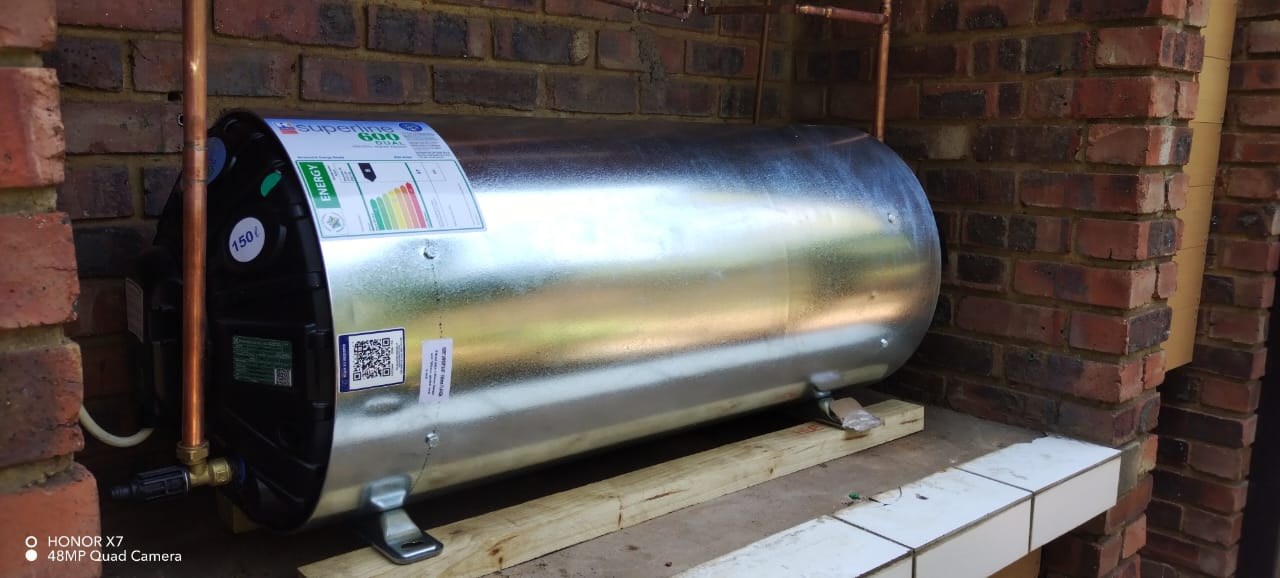
Geyser installation planning
Replacing a geyser is not only a cylinder swap. Support, pressure control, vacuum breakers, safety valves, drip tray drainage, overflow routing, pipe access and future servicing all affect whether the installation is practical and safe.
Useful details include geyser size, location, ceiling access, drip tray outlet, overflow pipe route, valve position, available space and whether the property needs hot water restored urgently.
Before the team arrives
A geyser replacement is easier to plan when the cylinder label, access hatch, valve set and overflow route can be seen. The condition of the existing system helps decide whether repair or replacement is more practical.
Open ceiling hatches, cupboards, garage access or outside routes so the old unit and valve layout can be assessed.
If visible, note whether the geyser is 100L, 150L, 200L or another size. Household demand affects replacement choice.
Do not cover pressure control, vacuum breakers or overflow pipes because these parts affect installation planning.
Mention any wet ceiling, overflow discharge, rust, sagging boards or drip tray concerns before the installation visit.
How the visit is handled
The visit checks the old geyser, pipework, support, valve set, overflow route, drainage and hot-water demand before the replacement or new installation is planned.
The existing geyser size, fault, age and hot-water demand are reviewed before choosing the replacement route.
Ceiling access, brackets, platform condition, wall space or outside position are checked for safe handling and future servicing.
Pressure control, safety valves, vacuum breakers, drip tray outlet and overflow routing are considered as part of the installation.
The system is filled, checked for leaks and watched for safe discharge and normal hot-water function where possible.
Geyser installation service
The sections below separate installation situations so each one gets practical signs, planning hints and likely installation decisions.
Geyser replacement is usually needed when the cylinder leaks, the system is old, or repeated repairs no longer make practical sense.
What to look for: Rust, cylinder leaks, recurring faults, ceiling water, old valve layout or poor hot-water recovery.
Helpful hint: Ask whether the old system failed because of the cylinder, valves, pressure or installation layout before choosing a replacement.
A new geyser installation needs cylinder sizing, supply routing, valve planning, support and drainage considered together.
What to look for: New bathroom demand, renovation work, no existing cylinder, changed hot-water usage or a new property layout.
Helpful hint: Hot-water demand should match household use, not only the cheapest cylinder size available.
Ceiling geysers need safe access, proper support, drip tray drainage and a route that allows future inspection.
What to look for: Tight roof space, poor lighting, narrow hatch, old drip tray, blocked overflow route or sagging boards.
Helpful hint: A ceiling geyser should not be installed where future valve access becomes impossible.
Outside geyser setups need weather exposure, pipe protection, support, valve access and drainage considered carefully.
What to look for: External wall space, pipe exposure, drain route, weather protection and access for maintenance.
Helpful hint: Outside geyser pipework may need extra attention to support and weather exposure.
Correct valve layout helps the geyser operate safely under pressure and discharge water in the right direction when required.
What to look for: Old pressure valves, missing vacuum breakers, unusual overflow routing, constant discharge or hard-to-reach valve sets.
Helpful hint: A new geyser fitted to a poor valve layout can inherit old problems.
Drip trays and overflow routes help direct water away from ceilings and cupboards if the geyser or valve system releases water.
What to look for: No visible tray outlet, blocked discharge pipe, water stains, wet ceilings or overflow running into the wrong area.
Helpful hint: A drip tray outlet should have a sensible discharge path, not simply disappear into an unknown space.
Common causes
A geyser can be the right size but still cause problems if support, pressure control, discharge and maintenance access are ignored.
Wrong capacity can affect our technician, recovery time and energy use.
Incorrect or ageing valves can create discharge, pressure and safety concerns.
A geyser must be safely supported and reachable for future servicing.
Water discharge should be directed safely away from ceilings and occupied spaces.
Prevention and after-care
Planning access, valves and drainage during installation prevents avoidable damage and future frustration.
Do not permanently close off hatches or valve access after installation.
Check that discharge routes remain visible and not blocked.
Understand where the geyser water supply and power isolation are located.
Know what dripping, tripping or temperature changes should be watched after installation.
Solar geyser integration
Even when the immediate job is an electric geyser replacement, the pipe route, roof access, valve layout and drainage position can affect future solar geyser upgrades. A practical installation plan keeps the hot-water system serviceable now while avoiding avoidable rework later if solar integration is planned.
The geyser position, roof space and pipe route should be considered together so a future solar collector or retrofit system does not fight against the current installation layout.
Isolation valves, safety discharge, drip tray drainage and pressure-control components should remain reachable for maintenance whether the system stays electric or later links to solar hot-water support.
Current cylinder size, recovery expectations and daily usage patterns help decide whether a like-for-like replacement is enough or whether future solar planning should be discussed before installation.
Ceiling access, outside wall routes and roof-facing pipe paths should not be blocked unnecessarily during installation where a later solar geyser upgrade may be possible.
Geyser Installation service areas
Mention geyser location, size, access route, current fault and whether replacement is urgent or planned.
Geyser Installation FAQ
These answers explain geyser replacement, valve layout, pressure control, drainage and installation planning.
Replacement is usually more sensible when the cylinder leaks, rust is visible, faults repeat, the geyser is old or repair costs no longer make practical long-term sense.
The right size depends on household demand, bathrooms, usage times and available space. A common replacement should still be checked against how the property uses hot water.
Yes, if access, support, drainage, valve layout and safe working space are suitable. Ceiling installations must consider future maintenance access.
A drip tray helps direct water away if the geyser or valves leak. Without a useful outlet, water can still damage ceilings or cupboards.
Pressure control, safety valves, vacuum breakers, drain points and isolation valves all affect safe operation and maintenance.
Sometimes, but old or unsuitable valves can cause repeated discharge, pressure problems or future leaks. The valve layout should be checked during replacement.
Timing depends on access, cylinder size, valve work, drainage and whether the old geyser is leaking or difficult to remove.
Yes, where wall position, weather exposure, support, pipe protection and maintenance access are suitable.
Clear the access route, locate the geyser area, note the current size if visible and mention any leaks, ceiling damage or overflow discharge.
Yes. The system should be filled and checked for leaks, valve discharge, hot-water function and visible issues around the installation.
The installation interacts with pressure control and valves. Poor pressure management can affect discharge, flow and component life.
It may be worth considering if the current geyser is undersized, poorly located, inefficient or difficult to maintain.
Geyser failures often involve insurance, landlords or body corporates. Clear photos, fault details and access information help the process.
A vacuum breaker is a safety component used in certain geyser setups to help prevent siphonage and protect the system.
Keep access open, monitor overflow discharge, know the isolation points and ask what warning signs should be watched after installation.
Need geyser installation?
Share the geyser size, location, access route, leak status and hot-water demand.