Show the sink cupboard
The trap, waste spigot and water point are usually inside or near the sink cupboard.
Dishwasher connection
A dishwasher connection needs the inlet, waste hose, trap point and cupboard route checked before the appliance is pushed into place.
Plumb A Nator assists with dishwasher connection for kitchens where appliance water supply, waste discharge and leak protection need careful setup. This service focuses on dishwasher-specific plumbing: inlet valves, stop taps, waste spigots, trap connections, hose routing, pressure checks and testing during a drain cycle.
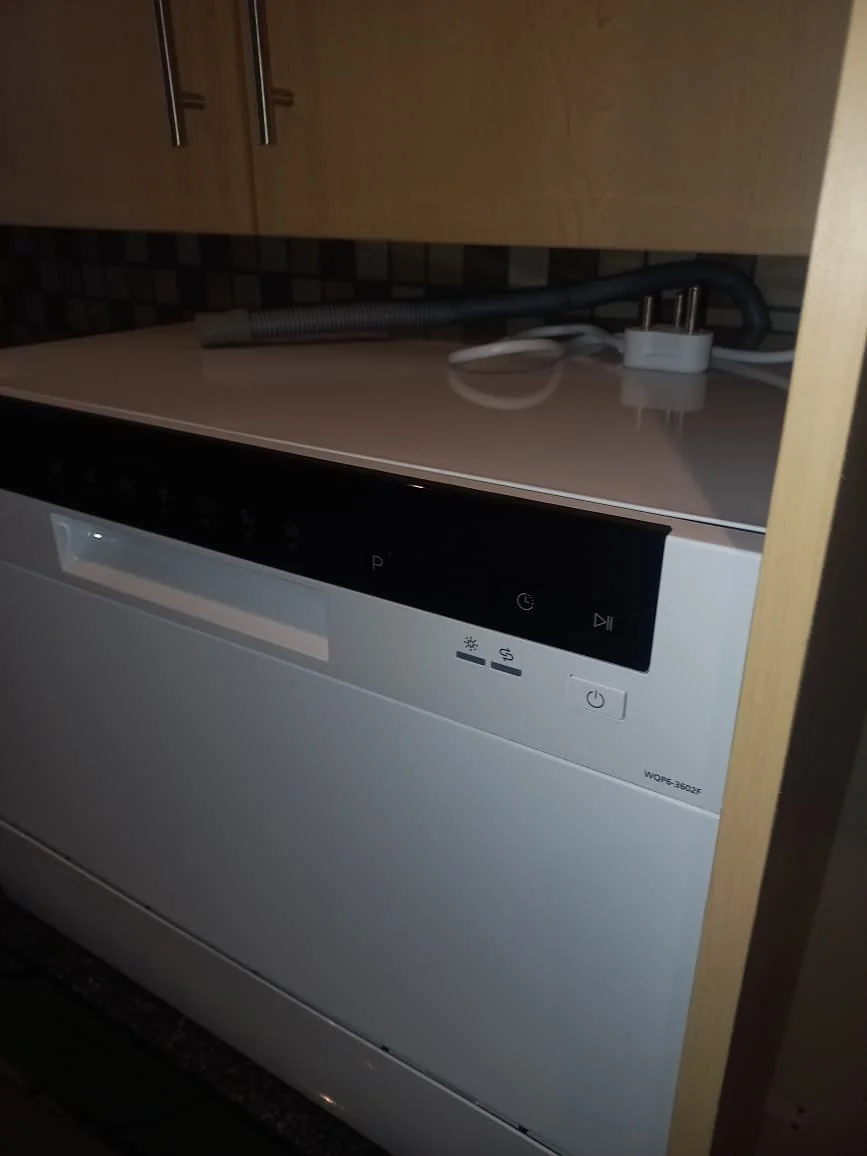
Dishwasher plumbing check
The appliance can leak or drain badly if the hose is kinked, the trap point is wrong, the inlet valve fails or the cupboard route is too tight.
For dishwasher work, send photos of the appliance space, under-sink trap, water valve, waste spigot and the hose route behind the machine.
Before the dishwasher connection visit
Photos of the under-sink trap, water valve, appliance space and existing hoses help confirm whether the connection point is ready.
The trap, waste spigot and water point are usually inside or near the sink cupboard.
A crushed hose behind the dishwasher can cause leaks, poor filling or drainage errors.
Model information can help confirm hose positions and connection requirements.
Tell us if the old dishwasher leaked, drained badly or caused smells under the sink.
Dishwasher connection method
A neat connection needs a reliable water feed, secure waste hose, usable valve, correct trap point and enough space for hoses to sit without strain.
The inlet valve, hose washer, pressure and reach are checked before connection.
The waste hose is connected to a suitable spigot or trap point with correct routing.
The appliance is moved into place while keeping hoses free from crushing or sharp bends.
The fill and drain stages are checked for leaks, backflow, smell or water under the cupboard.
Dishwasher connection service
Dishwasher faults often come from the connection points rather than the appliance itself.
A new dishwasher needs a water inlet, isolation valve, waste outlet and hose route that suits the kitchen layout.
What to look for: No water point, missing waste spigot, tight cupboard route, awkward appliance space or no isolation valve.
Helpful hint: Do not cut cupboards or push the appliance in until hose paths and valve access are confirmed.
A replacement dishwasher may still need new washers, valve checks or waste-hose adjustments even if the old machine was connected.
What to look for: Old brittle hoses, worn valve, leaking trap spigot, smell from waste hose or different hose outlet position.
Helpful hint: Replace old washers and check the valve rather than trusting the previous setup blindly.
The waste hose must discharge into the correct trap point without sagging, kinking or allowing dirty water backflow.
What to look for: Drain error, sink smell, water under cupboard, hose loose on spigot or dirty water returning toward the machine.
Helpful hint: A high loop or correct trap connection helps prevent sink waste from flowing back into the dishwasher hose.
The inlet valve controls appliance water supply and should be accessible for isolation if a leak starts.
What to look for: Stiff valve, dripping at the connection, no local shutoff, poor pressure or water at the hose nut.
Helpful hint: Do not overtighten the hose nut; a damaged washer or valve thread can leak under pressure.
Many dishwashers discharge through the sink trap, so the trap and spigot must be suitable and watertight.
What to look for: Leaks after draining, smell under sink, loose spigot cap, blocked trap or water backing into the sink.
Helpful hint: If a blanking cap is removed, the connection must be sealed properly before testing the dishwasher.
A dishwasher connection should be checked during filling and draining, not only while the appliance is standing idle.
What to look for: Water under the appliance, damp kickboard, swollen cupboard base, drip at hose or leak only during drain cycle.
Helpful hint: Use a torch after the first test cycle; small leaks often start behind the kickboard or under the sink.
Common dishwasher connection problems
The machine may be fine while the connection is the real problem.
Tight spaces can kink inlet or waste hoses behind the dishwasher.
A poor spigot connection can leak only when the appliance pumps out.
Old valves can drip or fail after being disturbed during replacement.
Incorrect waste routing can let sink smells or dirty water reach the appliance hose.
Dishwasher connection prevention
Testing during fill and drain cycles prevents hidden leaks after installation.
Do not bury the appliance isolation valve behind permanent panels.
Check under the sink and kickboard after the first few washes.
Leave enough hose length so connections are not pulled tight.
A blocked sink trap can affect dishwasher discharge.
Dishwasher Connection service areas
For dishwasher connection, mention the area, appliance model, existing valve, trap setup, cupboard route and whether this is a new or replacement machine.
Dishwasher Connection FAQ
These dishwasher answers focus on inlet valves, waste hoses, trap spigots, leaks, smells and testing during fill and drain cycles.
A dishwasher usually needs a water inlet valve, appliance hose, waste discharge point, suitable trap connection and enough space for hoses without kinks.
Yes, many dishwashers connect to a water point and trap spigot under the kitchen sink if those fittings are suitable.
Leaks can come from hose washers, inlet valves, loose waste hose, trap spigot, cracked hoses or a kinked route behind the appliance.
A high loop or correct routing can help reduce backflow from the sink waste route into the dishwasher hose.
Sometimes, but old valves should be checked because they can drip or seize after being disturbed.
Smells may come from waste backflow, trap build-up, a poor hose route or dirty water sitting in the hose.
It can if the trap has a proper appliance spigot and the connection is sealed correctly.
A suitable supply point and isolation valve may need to be added before the appliance can be connected.
Distance matters because water supply, waste fall, hose length and route access may become unsuitable.
Be careful. Pushing the appliance in can crush or pull hoses if the route is tight.
Send the appliance space, under-sink cupboard, trap, water valve and existing hose route.
Yes. Small leaks can swell kickboards, cupboard bases and flooring before they are obvious.
That usually points to the waste hose, trap spigot, blocked trap or discharge route.
Sometimes, but the waste setup must be suitable for the discharge volume and should not allow backflow.
The appliance is checked while filling and draining so the inlet, waste hose, trap and cupboard base can be watched for leaks.
Need dishwasher connection?
Share the appliance space, under-sink photos and whether the leak happens during filling or draining so the connection can be checked properly.