WhatsAppCall

24/7 Emergency Plumbing • Plumbing, geysers & solar geyser solutions

Plumbing services

Practical plumbing help for leaks, drains, geysers, fixtures, tanks and property maintenance.

Choose the plumbing service that matches your problem, then send the details so the right repair, installation or maintenance route can be planned from the start.

Plumbing problems do not all start the same way. A slow drain, a dripping geyser overflow, a leaking mixer, a noisy pump or a damp patch in a wall can each point to different causes. This page groups the work into clear service areas so customers can choose the most relevant option without reading through repeated sales copy.

Plumbing Services plumbing service image for Plumb A Nator.
Plumbing Services service image for Plumb A Nator.
Service help line 067 139 9980 Use this page to match the fault to the correct service, then call with the fixture, room, visible pipework, valve position or drain symptom so the repair can be triaged properly.
Request Service Quote
46 Service Types Emergency & Planned Work Homes & Businesses Geysers • Drains • Fixtures
Emergency Repairs Planned Installations Geyser & Valve Work Drainage & Sewer Lines Commercial Maintenance

Find the right service

A complete plumbing service directory for homes, businesses, renovations and urgent repairs.

Different plumbing problems need different information before the right next step is clear. This directory separates urgent repairs, drainage faults, geyser work, fixtures, appliances, water storage, pumps and project plumbing so customers can describe the problem more accurately and avoid confusion before anyone arrives on site.

Not sure which service to choose?

Choose the closest match and describe what you can see, hear or smell. Useful examples include water under the sink, a toilet that keeps running, a dripping geyser overflow, low pressure upstairs or a drain smell outside. The symptom often matters more than selecting the perfect category.

Service work gallery

Visual service gallery covering repairs, system work and finished installations.

These overview panels give customers a quicker visual sense of the type of work already represented on this page, from urgent fault response and drainage work to geyser systems, fixture installations and completed plumbing finishes.

Repairs & urgent plumbing overview

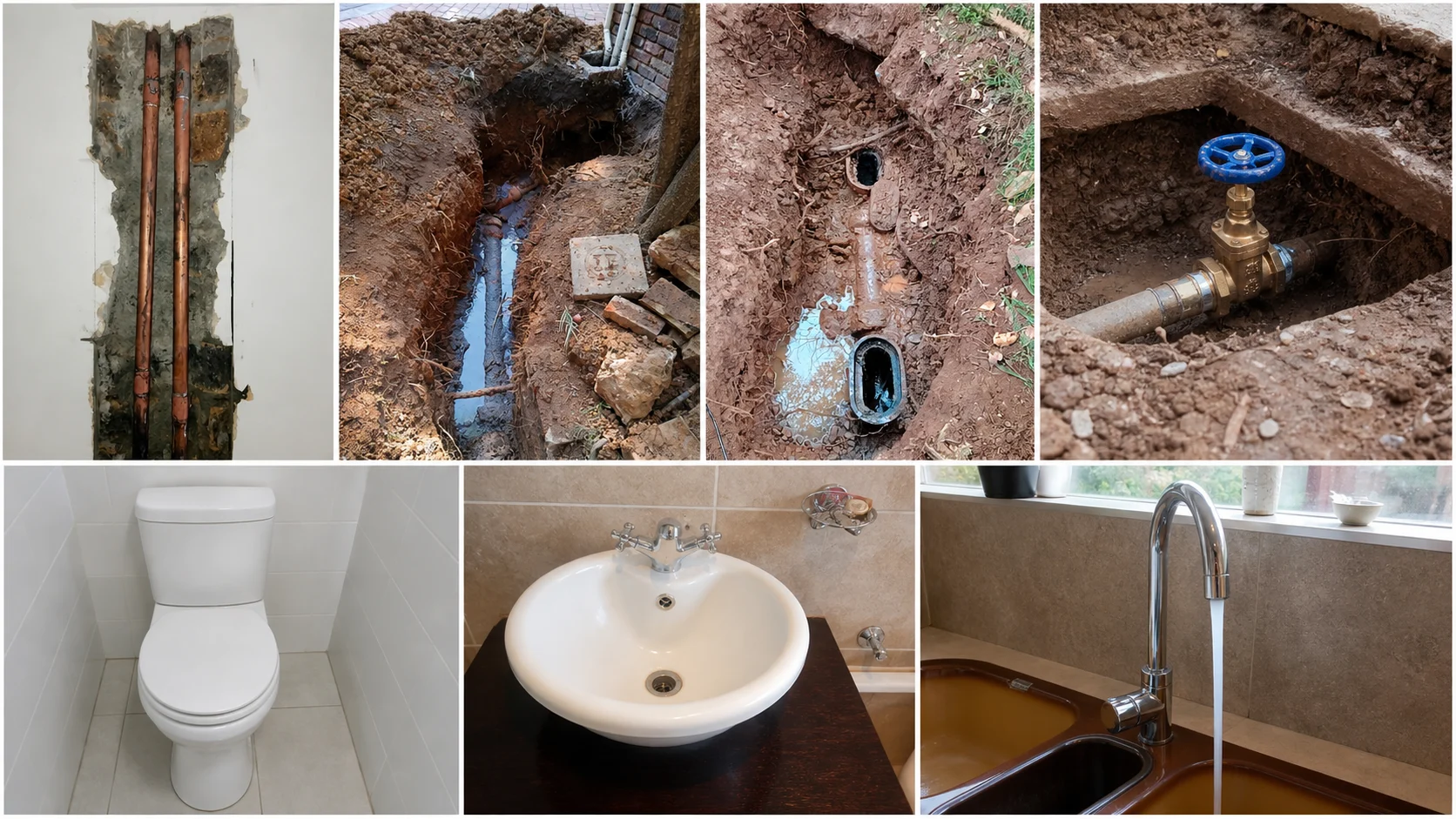
Collage showing real plumbing repair work including emergency pipe repairs, valve work, drainage access and bathroom fixture service.
Repair and installation collage showing real plumbing fieldwork across multiple service types.

This visual summary highlights the kind of repair work customers usually ask about first: exposed pipe repairs, water pressure components, drainage access, bathroom work and general plumbing fault response.

Ask about plumbing repairs

Heating, geysers & water systems overview

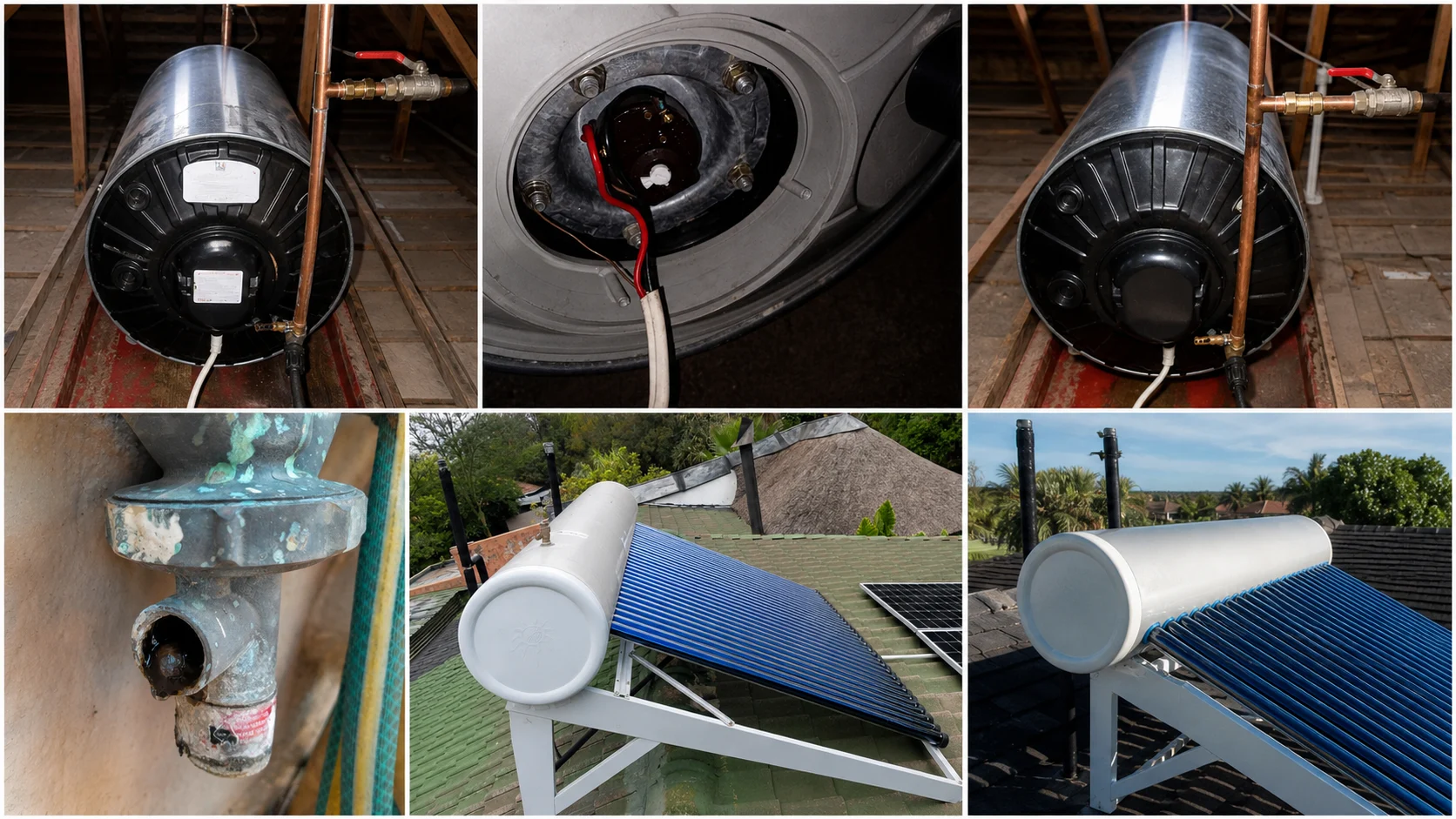
Collage of plumbing and heating system work including geyser equipment, solar heating, trench work and supporting installations.
Heating, geyser and water-system work brought together in one visual overview.

This panel brings together the system side of the work, including geyser-related service, solar water heating, trench plumbing, exposed system components and broader installation planning.

Ask about geyser or system work

Fixtures, kitchens & finished installations overview

Collage of finished plumbing installations including toilets, basins, sinks, mixer taps and kitchen plumbing details.
Finished fixture and room-plumbing work including toilets, basins, sinks and kitchen fittings.

This gallery panel shows the finished side of the work: clean fixture installations, kitchen and bathroom plumbing points, basin and sink work, and neat completed room upgrades.

Ask about fixture installation

Emergency & fault response

Emergency & fault response services

These services help when water, pressure or pipework problems need quick understanding and a practical repair route. The aim is to control damage first, then identify whether the issue is isolated or part of a wider system fault.

Burst pipe repairs

Burst pipe repair with damaged water line opened and repaired during emergency plumbing work.
Burst pipe repair image showing damaged pipework opened for repair.

Burst pipe repair starts with pressure control, visible leak assessment and access planning. The plumber checks pipe material, joint condition, wall or floor access, and whether the failure needs a coupling repair, replacement section, reroute or pressure-related investigation.

What to look for: Watch for sudden water on floors, wet cupboards, damp ceilings, hissing pipe sounds, pressure drops or water surfacing from walls, paving or soil.

Maintenance tip: Label or memorise the main stop tap, geyser shutoff and fixture isolation valves so water can be controlled quickly during a fault.

Ask about burst pipe repairs

Leak detection

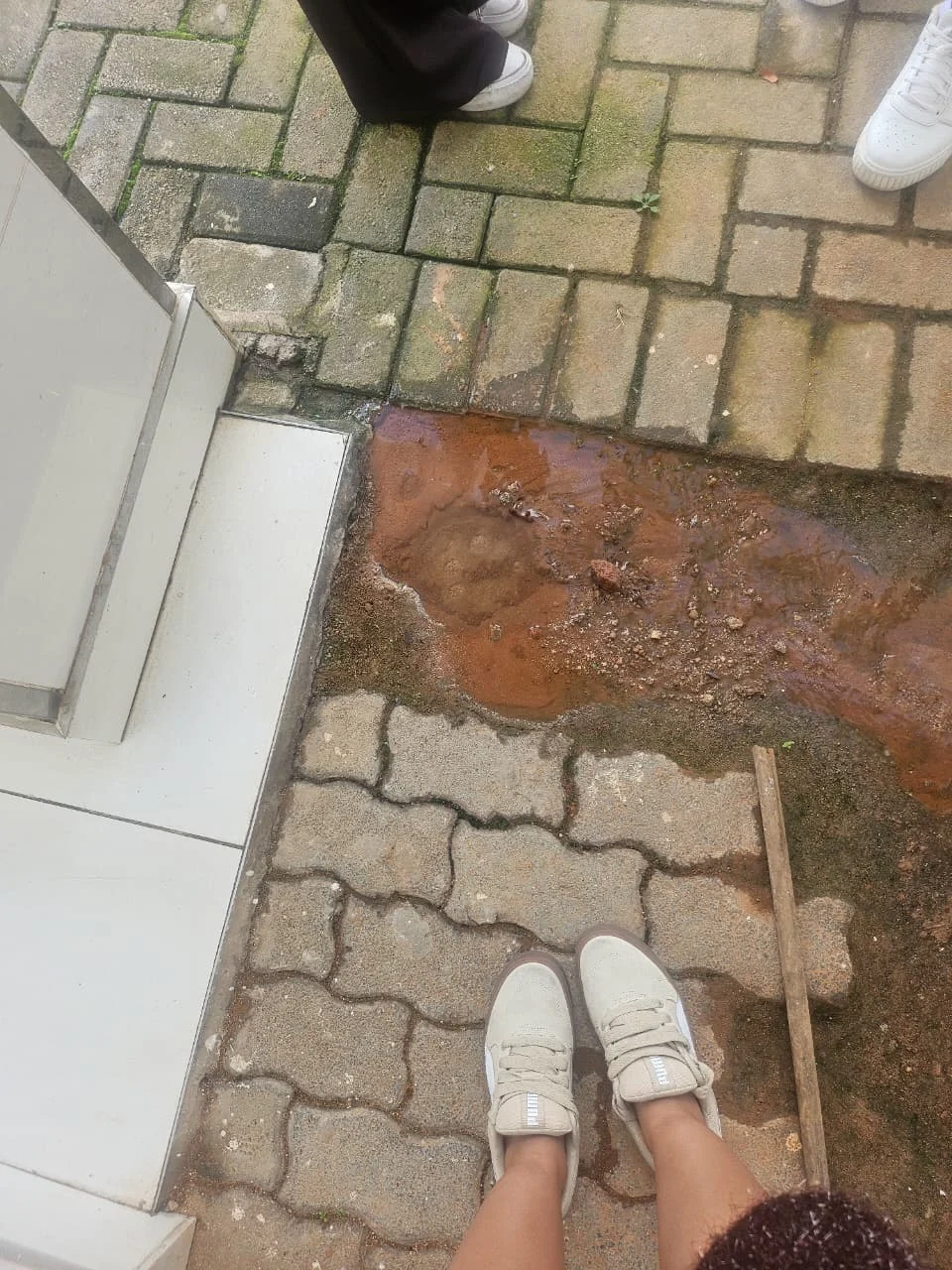
Leak detection clue showing water surfacing through paving near a building from a suspected hidden underground leak.
Leak detection image showing water surfacing through paving from a hidden underground leak.

Leak detection focuses on symptoms that are not always obvious. A hidden leak may show as damp smells, peeling paint, mould, soft flooring, rising water bills, pressure changes or a wet patch that returns after cleaning. The aim is to narrow the likely source before opening walls, floors or paving, so the repair can be targeted and disruption can be kept as low as possible.

What to look for: Look for unexplained meter movement, damp marks, bubbling paint, mouldy smells, warm floor patches or pressure loss when no taps are open.

Maintenance tip: Take a water meter reading before bed and again in the morning when no water was used; movement can indicate a hidden leak.

Ask about leak detection

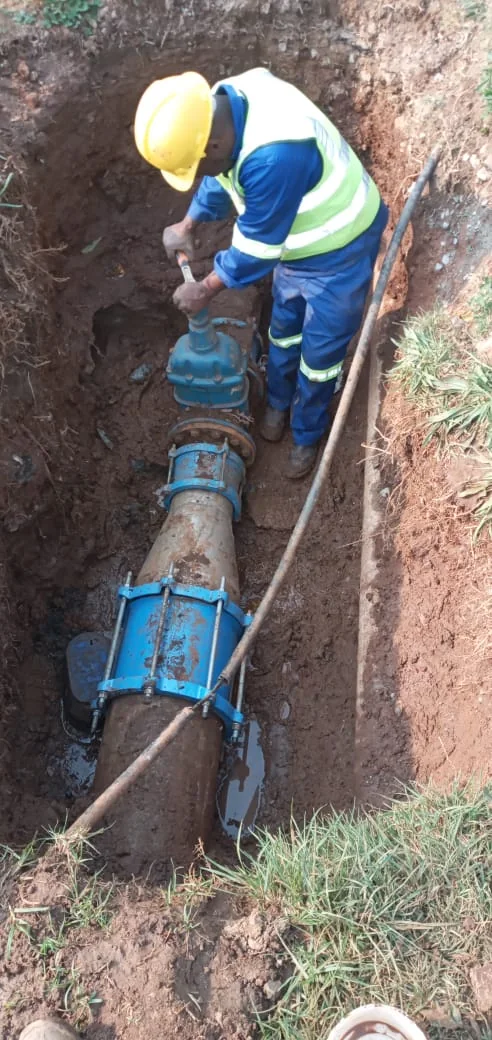
Pipe repairs

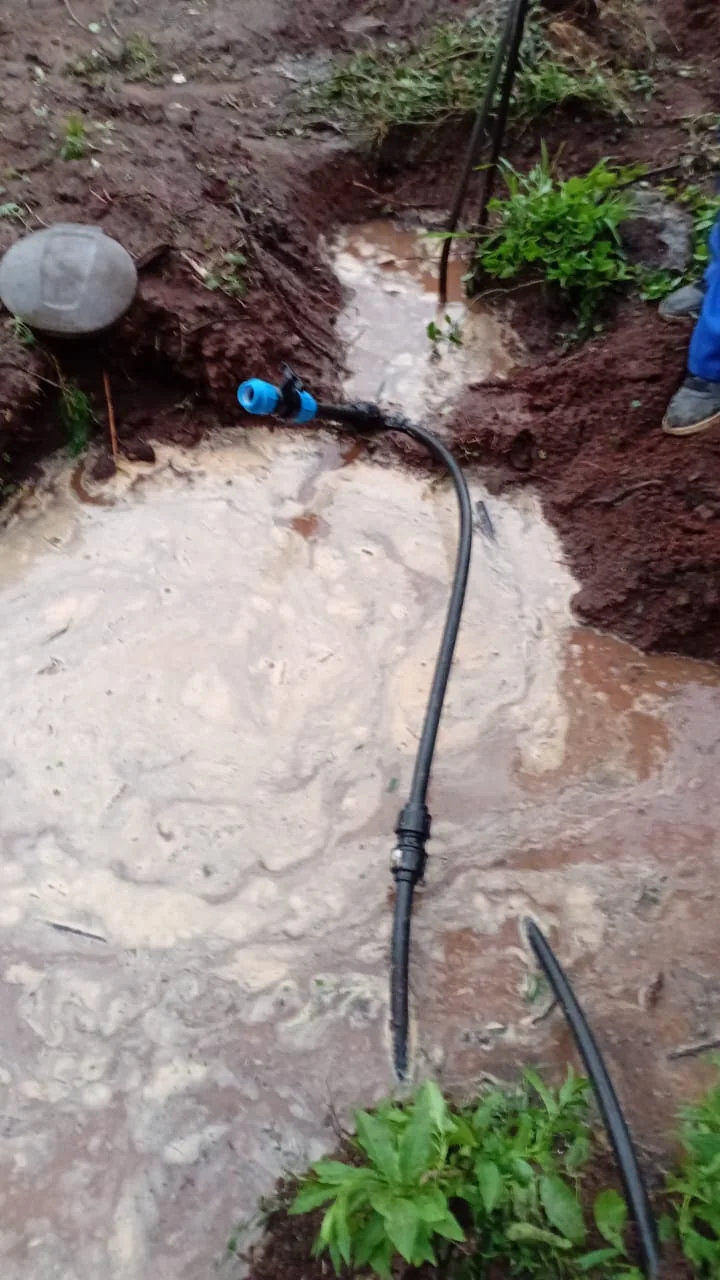
Underground water pipe repair in a muddy excavation after leak isolation.
Underground leaking pipe repair after excavation and isolation.

Pipe repairs can involve copper, PVC, HDPE, galvanized pipe or other materials, and each needs a suitable repair approach. The repair should consider access, pressure, age, joint condition and whether the pipe failed because of wear, movement, corrosion, impact or poor installation. A small repair may solve the issue, but repeated failures often point to a wider pipework problem.

What to look for: Signs include visible leaks, damp ground, water stains, pipe noise, pressure loss or water appearing around cupboards, ceilings and walls.

Maintenance tip: Do not cover a newly repaired pipe immediately if monitoring is needed; allow time to confirm the joint remains dry.

Ask about pipe repairs

Pipe replacement

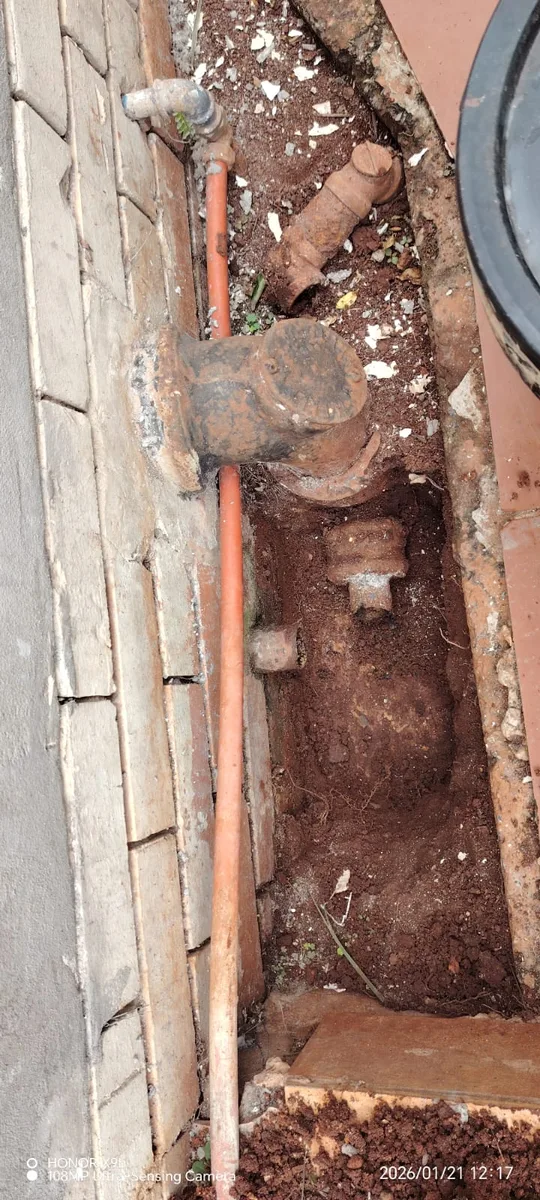
Replacement of old underground pipework opened in a trench beside a building.
Pipe replacement underway with old damaged line exposed for removal and renewal.

Pipe replacement is considered when the existing line is too damaged, corroded, poorly routed or unreliable to keep patching. The goal is not only to stop the current leak, but to improve the long-term reliability of the water or drainage route. Planning includes material choice, access, wall or floor impact, isolation points and how future maintenance will be handled.

What to look for: Repeated leaks in the same area, rust, brittle pipework, poor pressure and old galvanized lines may indicate replacement is more practical.

Maintenance tip: When replacing old pipework, consider adding accessible isolation points to make future repairs easier.

Ask about pipe replacement

Water pressure repairs

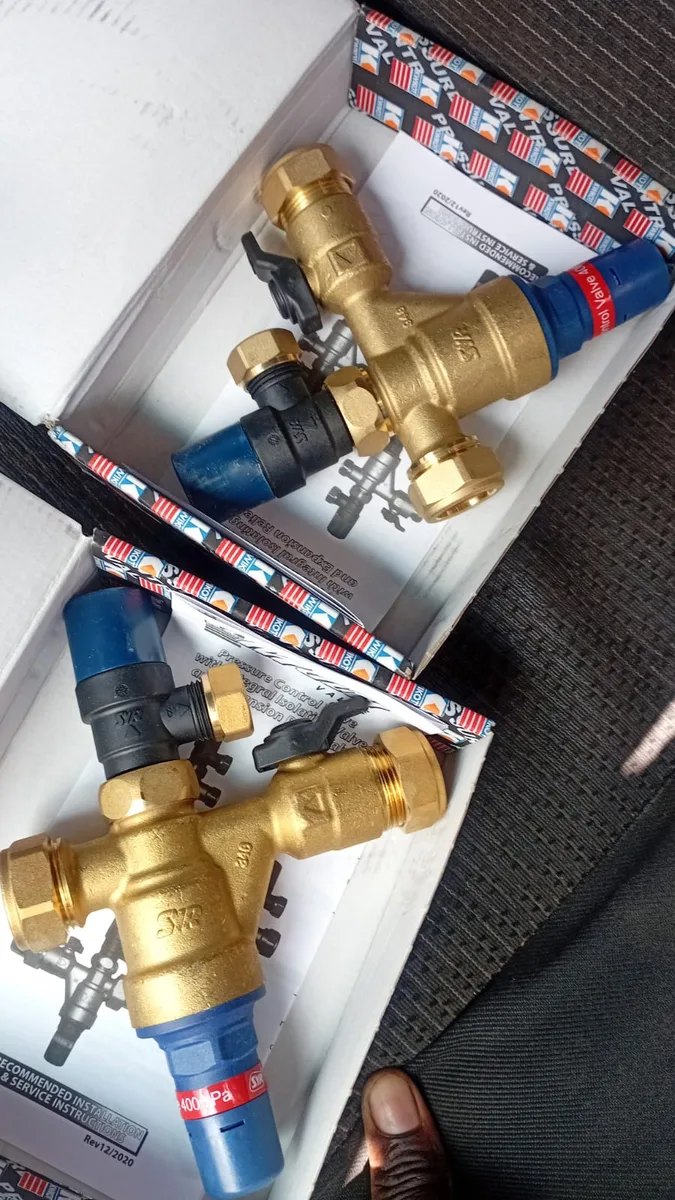
New pressure control valves ready for water pressure repair work.
Pressure control components prepared for water pressure repairs.

Water pressure repairs start by confirming whether the issue affects one fixture, one area or the whole property. Causes can include faulty pressure valves, hidden leaks, blocked strainers, municipal supply changes, pipe restrictions, undersized pipework or failing pumps. A proper check helps avoid replacing the wrong component.

What to look for: Notice whether pressure drops at all taps, only hot water, upstairs fixtures, garden taps or when more than one outlet is used.

Maintenance tip: Write down when pressure changes happen; time patterns can help identify supply or system-related causes.

Learn more about Water pressure repairs

Emergency plumbing

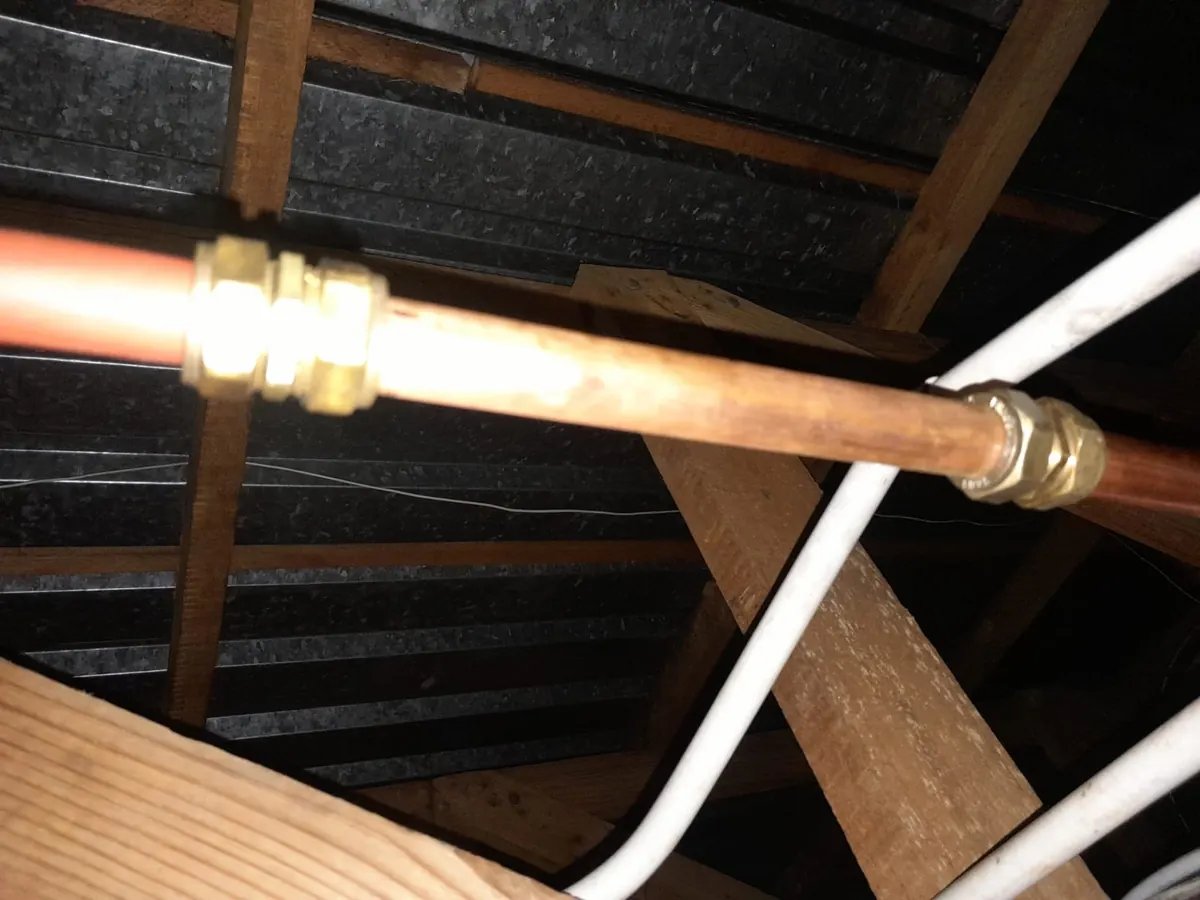
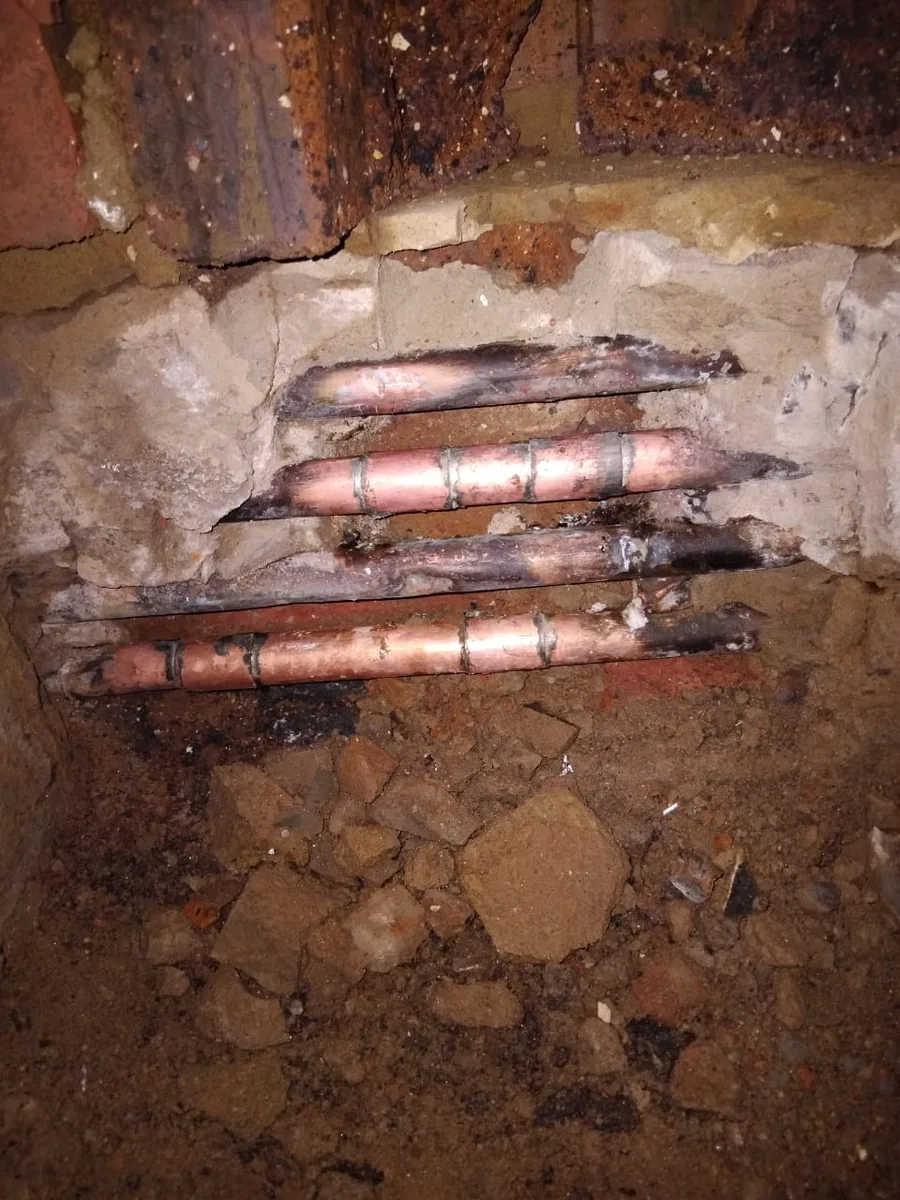
Emergency plumbing repair in progress with damaged copper pipework exposed inside a wall.
Emergency plumbing repair with exposed copper pipework accessed for urgent repair.

Emergency plumbing work is handled as a fault-control process. The first checks are the main stop tap, local isolation valves, geyser isolator, overflow route, trap level, pipe material and whether the fault is pressurised supply water, waste backup or a hot-water safety component.

What to look for: Treat a fault as urgent when water is under pressure, a toilet or gully is rising, a sewer line is pushing back, a geyser tray is discharging, a valve is dripping continuously or a pipe section has split.

Maintenance tip: Label the main stop tap, geyser supply valve and fixture isolation points so water can be controlled quickly while access for the repair is being prepared.

Learn more about Emergency plumbing

Pipe rerouting

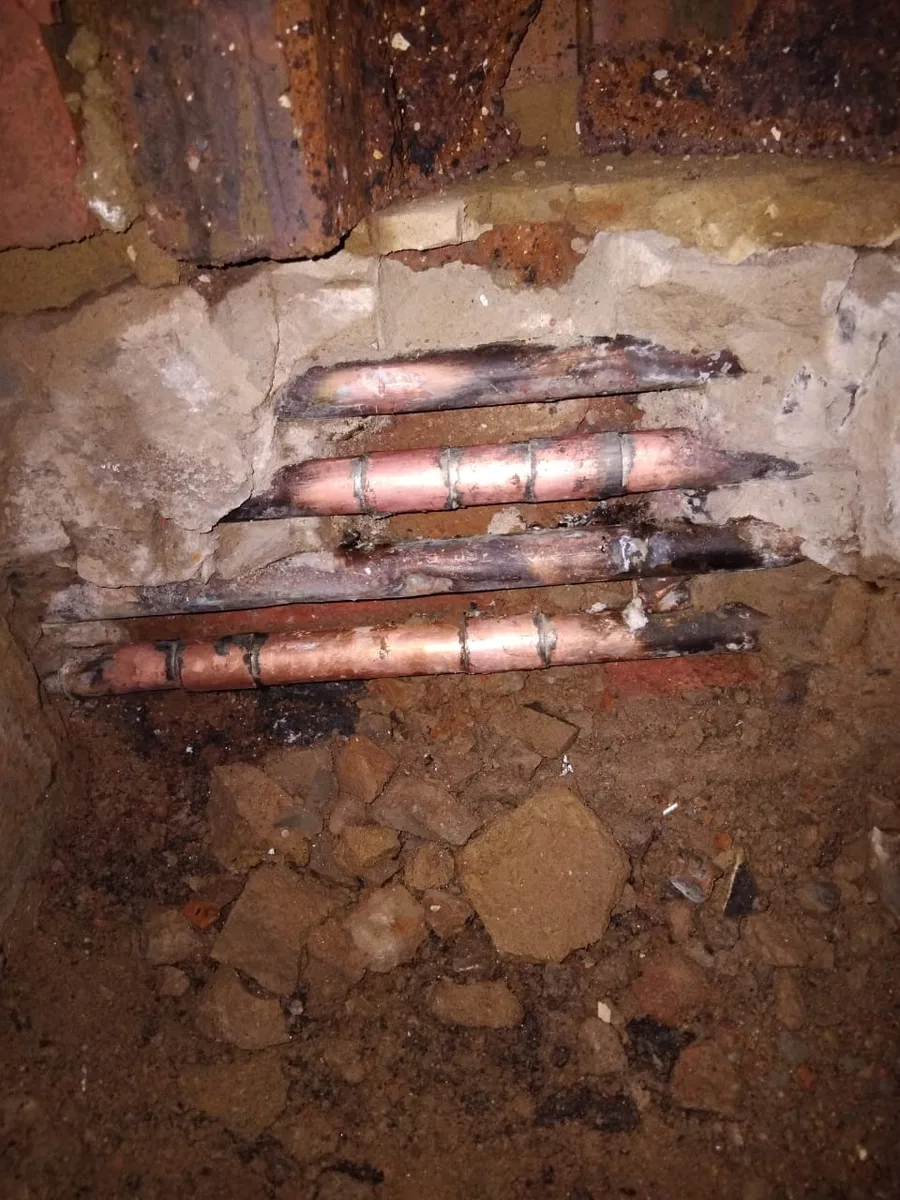
Copper water lines rerouted through an opened wall cavity during pipe rerouting work.
Pipe rerouting carried out by opening the wall and repositioning copper lines.

Pipe rerouting can solve repeated leaks, poor access, renovation changes, damaged lines or pipework placed in unsuitable areas. A reroute should be planned around access, pressure, fixture positions and how the new route can be maintained. It can sometimes be more sensible than repeatedly opening the same wall or floor.

What to look for: Consider rerouting when a pipe runs through a damaged area, under difficult flooring or where future access is nearly impossible.

Maintenance tip: During renovations, plan new pipe routes before cupboards, tiles or ceilings are closed.

Learn more about Pipe rerouting

Drains, sewer & stormwater

Drains, sewer & stormwater services

Drainage problems are not all the same. A blocked kitchen drain, outside gully, sewer line fault or stormwater issue each needs a different approach, especially when the problem keeps returning.

Blocked drain cleaning

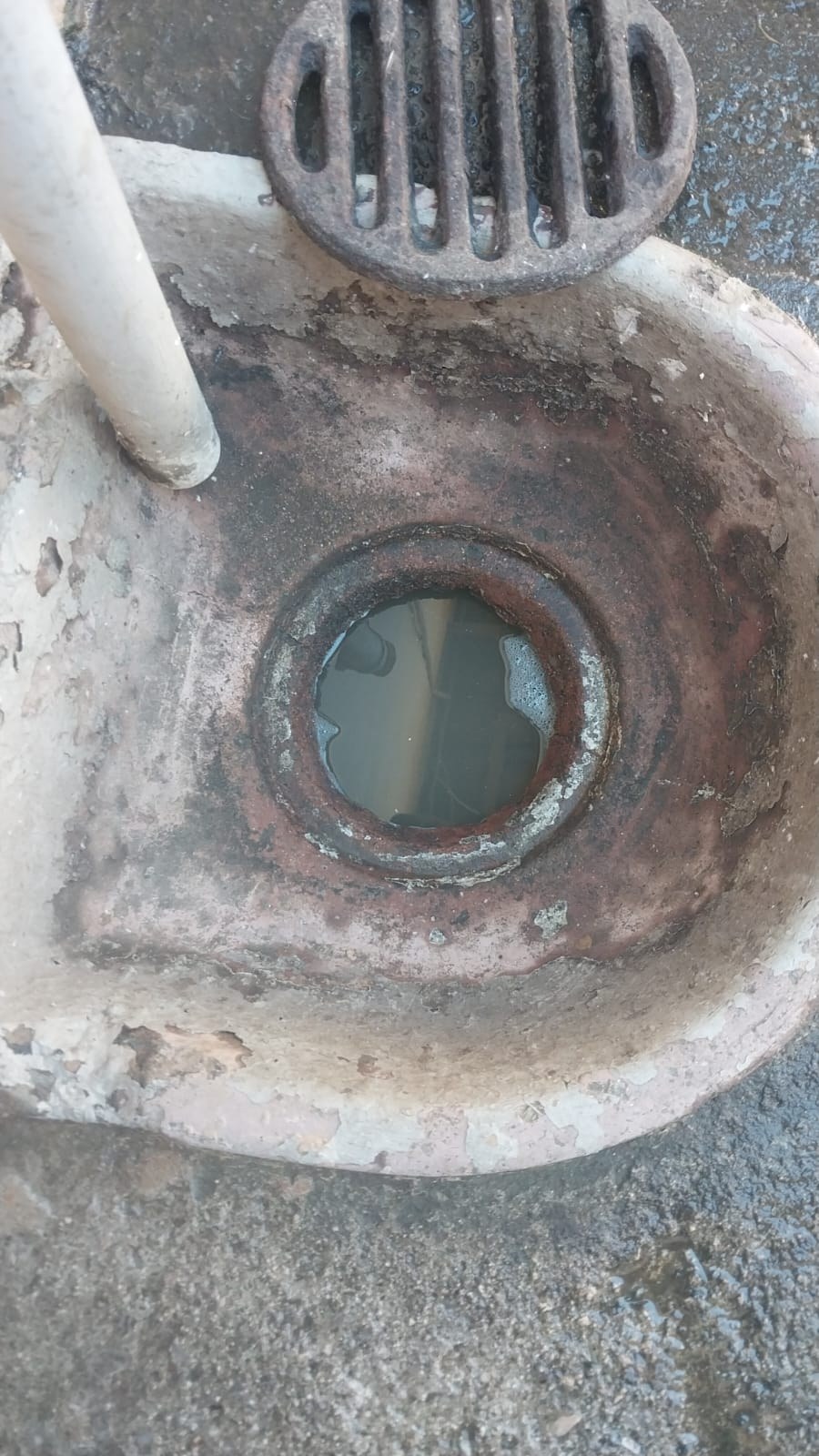
Blocked drain cleaning showing an outside drain opening with standing wastewater during plumbing inspection by Plumb A Nator.
Blocked drain cleaning image showing the outside drain opening during inspection and cleaning work.

Blocked drain cleaning is diagnosed by fixture and line position. A sink trap, shower waste, outside gulley, toilet branch and main drain each point to different causes such as grease, scale, roots, sand, poor fall, foreign objects or damaged pipework.

What to look for: Look for slow draining, gurgling sounds, water pushing up through another fixture, outside gullies overflowing or recurring drain odours.

Maintenance tip: Avoid pouring fats, oils and food waste down kitchen drains because they cool, stick and build up inside pipework.

Ask about blocked drain cleaning

Blocked toilet clearing

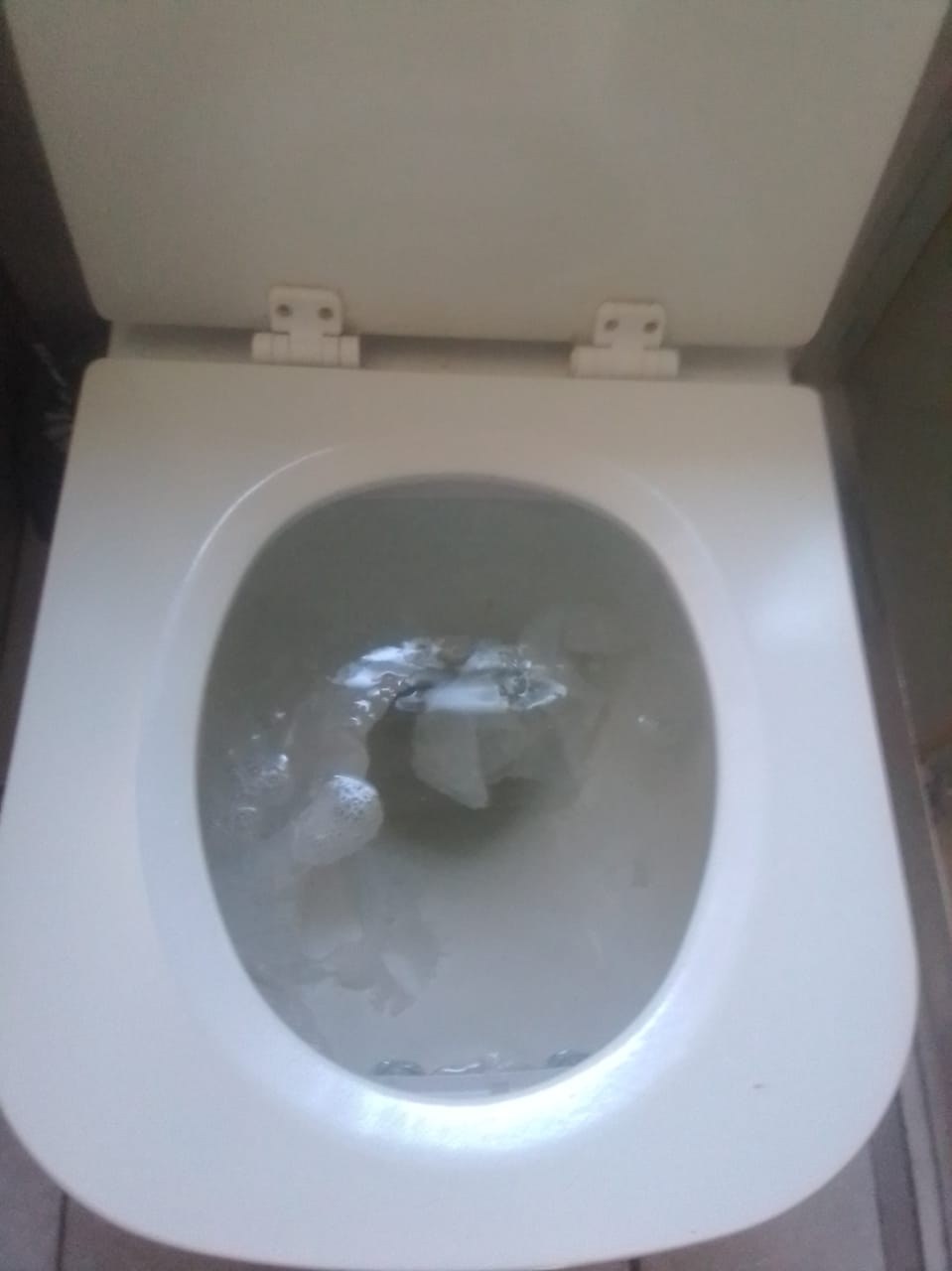
Blocked toilet clearing image showing standing water inside a toilet bowl during blockage diagnosis by Plumb A Nator.
Blocked toilet clearing image showing the toilet bowl with standing water during diagnosis.

A blocked toilet should be treated differently from a leaking or running toilet. The immediate goal is to stop overflow risk, clear the pan or waste line safely and check whether the blockage is isolated to the toilet or connected to a deeper drain problem. If the same toilet blocks repeatedly, the cause may be further down the line rather than inside the pan itself.

What to look for: Water rising in the bowl, slow flushing, gurgling, repeated blockages or water backing up into another fixture can point to a toilet or drain-line restriction.

Maintenance tip: Avoid flushing wipes, sanitary products, cotton buds, food waste or other items that do not break down easily.

Learn more about Blocked toilet clearing

Sewer line repairs

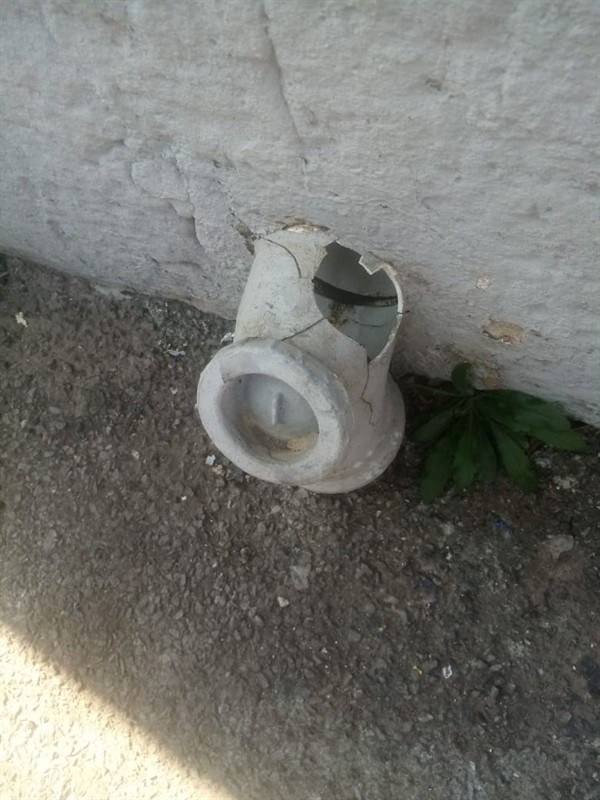
Sewer line repairs image showing a damaged broken drain or sewer fitting at ground level during plumbing inspection by Plumb A Nator.
Sewer line repairs image showing the damaged sewer or drain fitting during inspection.

Sewer line repairs need careful handling because hygiene, odour, access and long-term flow all matter. A sewer fault may be caused by roots, breaks, collapsed pipework, poor installation or ground movement. The repair should address the failing section and not only clear the immediate symptom, especially where backups keep returning.

What to look for: Watch for recurring toilet blockages, sewer smells, wet ground near sewer routes, slow fixtures or outside overflow.

Maintenance tip: Do not ignore repeated sewer backups; recurring symptoms usually mean the underlying cause has not been resolved.

Learn more about Sewer line repairs

Stormwater drainage

Stormwater drainage image showing a plumber inside a manhole or drainage chamber during inspection and maintenance by Plumb A Nator.
Stormwater drainage image showing inspection work inside the drainage chamber.

Stormwater drainage deals with rainwater that does not move away from the property properly. Poor stormwater control can affect paving, driveways, gardens, walls, foundations and low-lying rooms. The solution may involve clearing existing drains, correcting routes, adding collection points or improving how water is directed away from buildings.

What to look for: Look for pooling after rain, water running toward doors, soggy ground, blocked channels or paving that stays wet.

Maintenance tip: Clear leaves and debris from stormwater drains before heavy rain seasons.

Learn more about Stormwater drainage

Greywater system plumbing

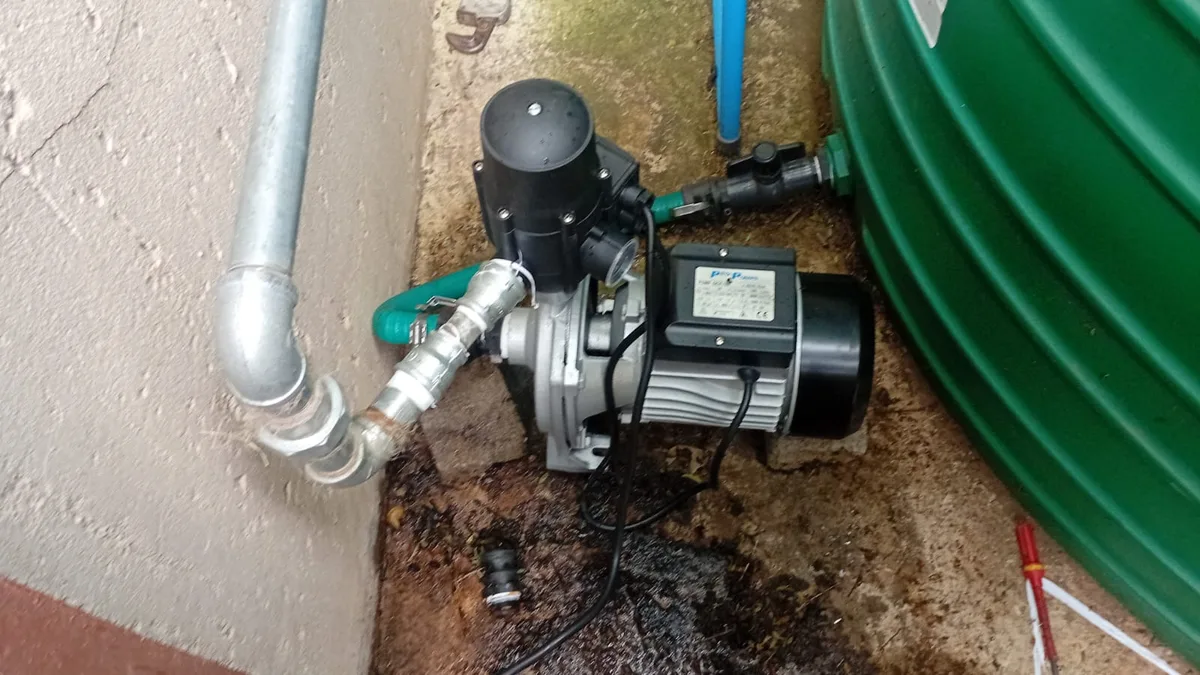
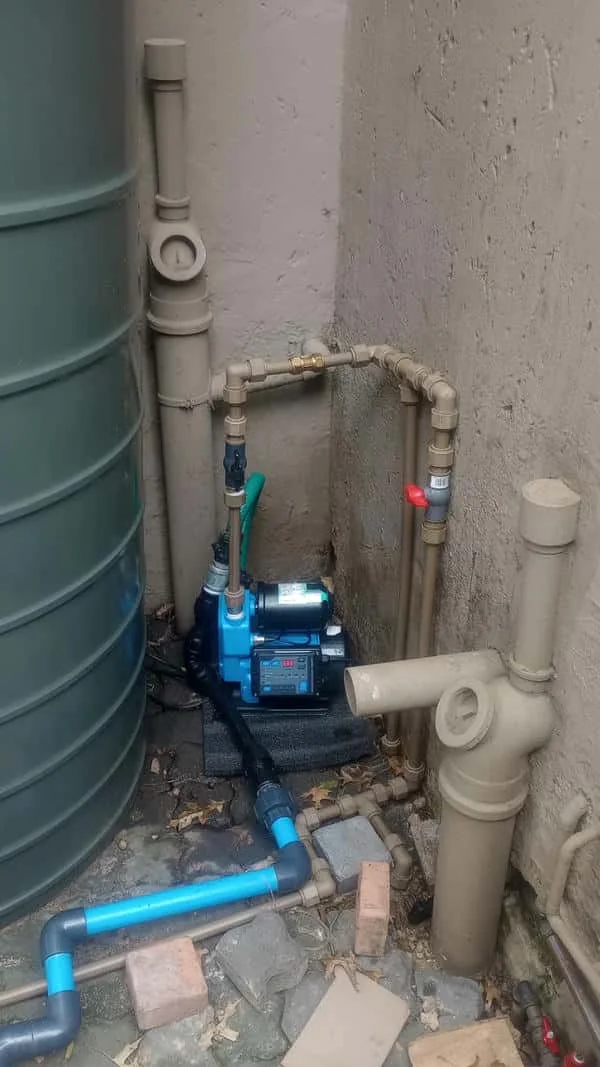
Greywater system plumbing with pump and connected pipework beside a storage tank.
Greywater system plumbing with pump, valves and connected pipework.

Greywater system plumbing needs careful separation, routing and realistic planning. Water from baths, showers or washing machines may be reused in limited ways, but it must be handled responsibly. The design should consider odour, filtration, access, maintenance and keeping greywater away from clean water supply.

What to look for: Check which fixtures produce greywater, where it will be directed and whether the route can be maintained.

Maintenance tip: Greywater systems need regular cleaning and should not be treated as maintenance-free.

Learn more about Greywater system plumbing

Septic tank plumbing

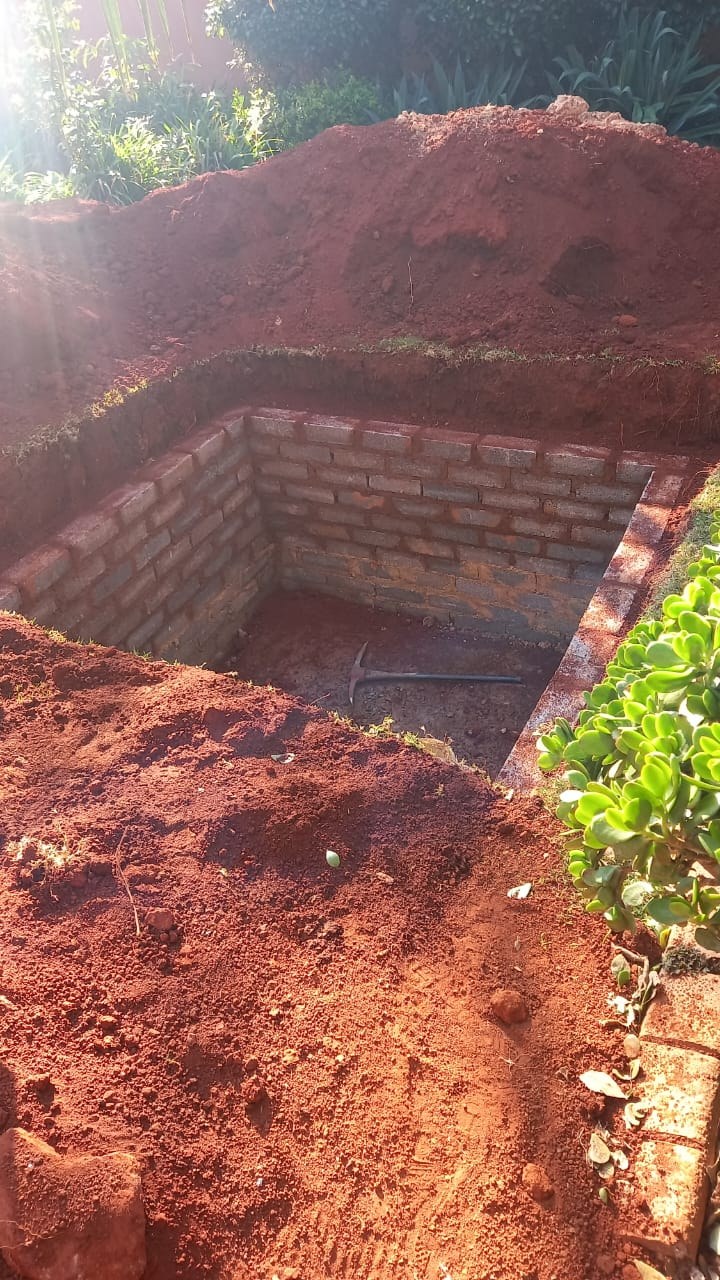
Septic tank plumbing image showing a newly built brick septic tank excavation during installation work by Plumb A Nator.
Septic tank plumbing image showing the brick septic tank excavation during installation work.

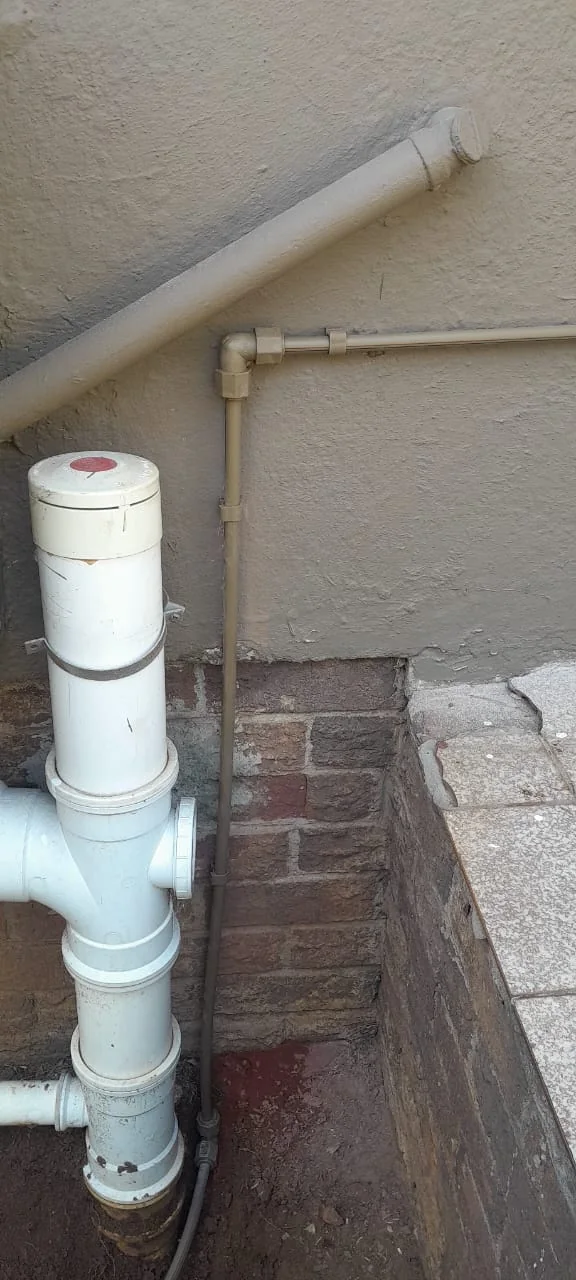
Septic tank plumbing requires careful attention to waste flow, odour, access, drainage routes and responsible connection of fixtures. Problems can become unpleasant quickly if the system backs up or if lines are poorly routed. Repairs and additions should consider the whole waste path, not only one blocked point.

What to look for: Watch for slow drains, odours, wet ground near the system, gurgling fixtures or sewage backing up.

Maintenance tip: Avoid flushing items that do not break down easily because they can disrupt septic systems.

Learn more about Septic tank plumbing

Geysers, valves & energy systems

Geysers, valves & energy systems services

Geysers, valves, heat pumps and solar systems all depend on pressure, safety components, access and correct setup. These services focus on reliable hot-water performance and long-term serviceability.

Geyser repairs

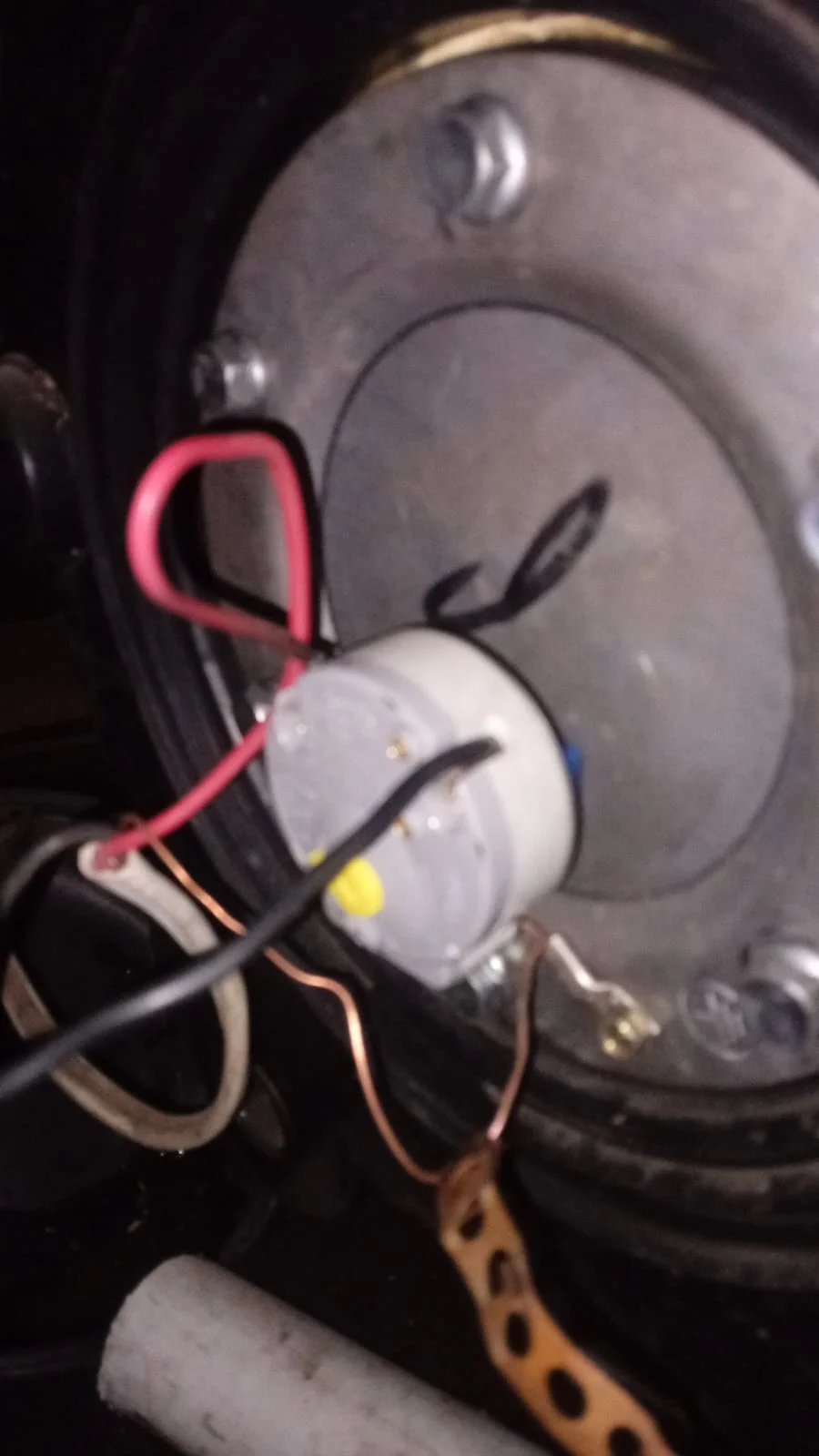
Geyser repair close-up showing thermostat and electrical component access during repair work.
Geyser repair detail showing thermostat and element access for fault diagnosis.

Geyser repairs require careful symptom checking because several faults can look similar from the outside. No hot water, overheating, dripping overflow, repeated tripping, weak pressure or strange noises may point to valves, elements, thermostats, pressure control, wiring support or cylinder condition. The aim is to find the likely cause before replacing parts unnecessarily or recommending a full replacement too soon.

What to look for: Common signs include cold water, inconsistent temperature, leaking overflow, water marks near the drip tray or electrical trips linked to hot-water use.

Maintenance tip: Do not ignore a constantly dripping overflow because it can waste water and may indicate a pressure or valve issue.

Learn more about Geyser repairs

Geyser replacements

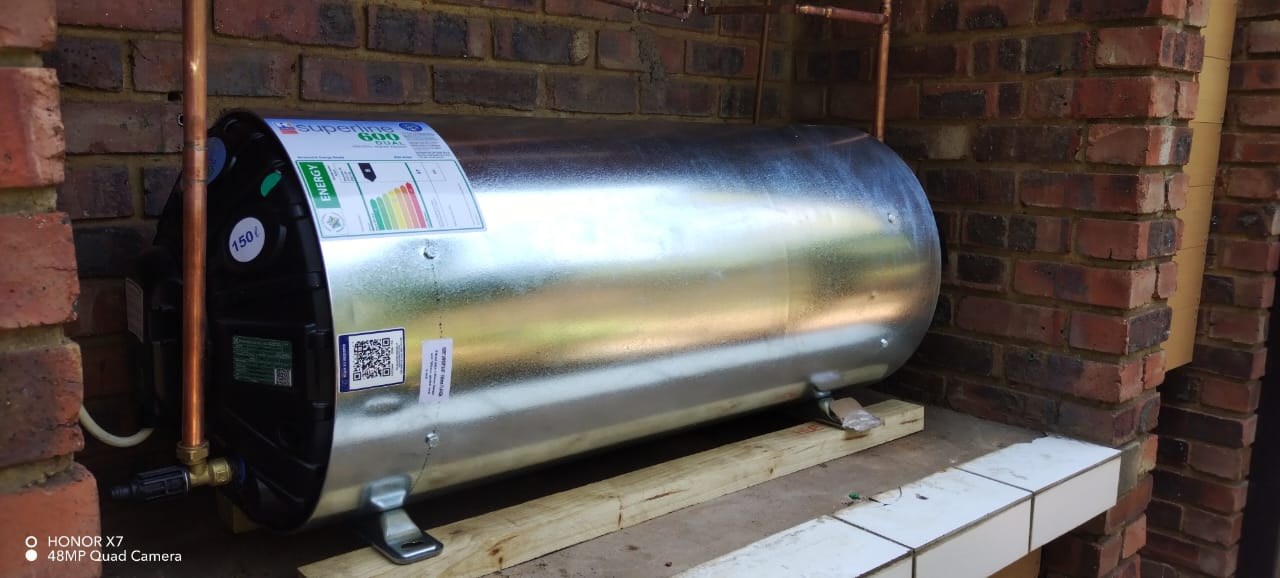
Geyser replacement image showing a newly installed horizontal hot-water cylinder mounted in a brick recess by Plumb A Nator.
Geyser replacement image showing the installed hot-water cylinder and copper pipework.

Geyser replacement becomes practical when the existing unit is old, leaking, repeatedly failing or no longer worth repairing. The replacement decision should consider the system size, location, current valve setup, drainage route, support, energy use and future access. A good replacement gives the customer a safer and more manageable hot-water setup instead of simply putting a new cylinder into an old problem.

What to look for: Repeated call-outs, visible corrosion, leaking cylinders, unreliable heating and ageing installations are signs replacement may be more sensible than another repair.

Maintenance tip: Keep the model, size and installation date recorded so future servicing and warranty questions are easier to handle.

Learn more about Geyser installation

Pressure valve replacement

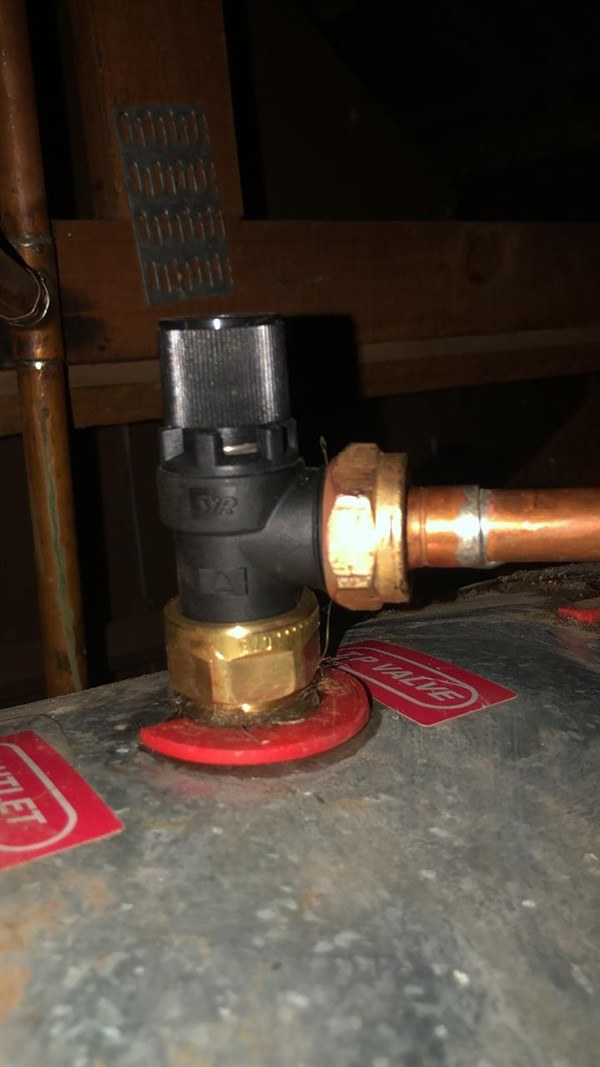
Geyser valve replacement image showing the replacement valve fitted on top of the geyser with connected copper pipework by Plumb A Nator.
Geyser valve replacement image showing the installed valve and connected copper pipework.

Pressure valve replacement helps protect geysers, pipework and fixtures from pressure that is too high or unstable. A failing valve can contribute to dripping overflows, noisy pipes, poor system performance or damage to connected components. The replacement should match the system requirements and be checked as part of the wider installation environment.

What to look for: Signs include noisy pipes, dripping relief points, changing pressure, geyser overflow issues or repeated valve-related faults.

Maintenance tip: Do not replace pressure components blindly; check whether the valve is the cause or only showing another system problem.

Learn more about Pressure valve replacement

Geyser valve replacement

Geyser valve replacement image showing the replacement valve fitted on top of the geyser with connected copper pipework by Plumb A Nator.
Geyser valve replacement image showing the installed valve and connected copper pipework.

Geyser valve replacement may be needed when safety, pressure or control valves start leaking, sticking or failing. These valves play an important role in safe operation, so they should be checked in relation to the full geyser setup. Replacing a valve without checking pressure and drainage can leave the original issue unresolved.

What to look for: Look for constant dripping, overflow discharge, pressure changes, unusual noises or water around the geyser area.

Maintenance tip: Ask for the surrounding geyser components to be checked when a valve is replaced.

Learn more about Pressure valve replacement

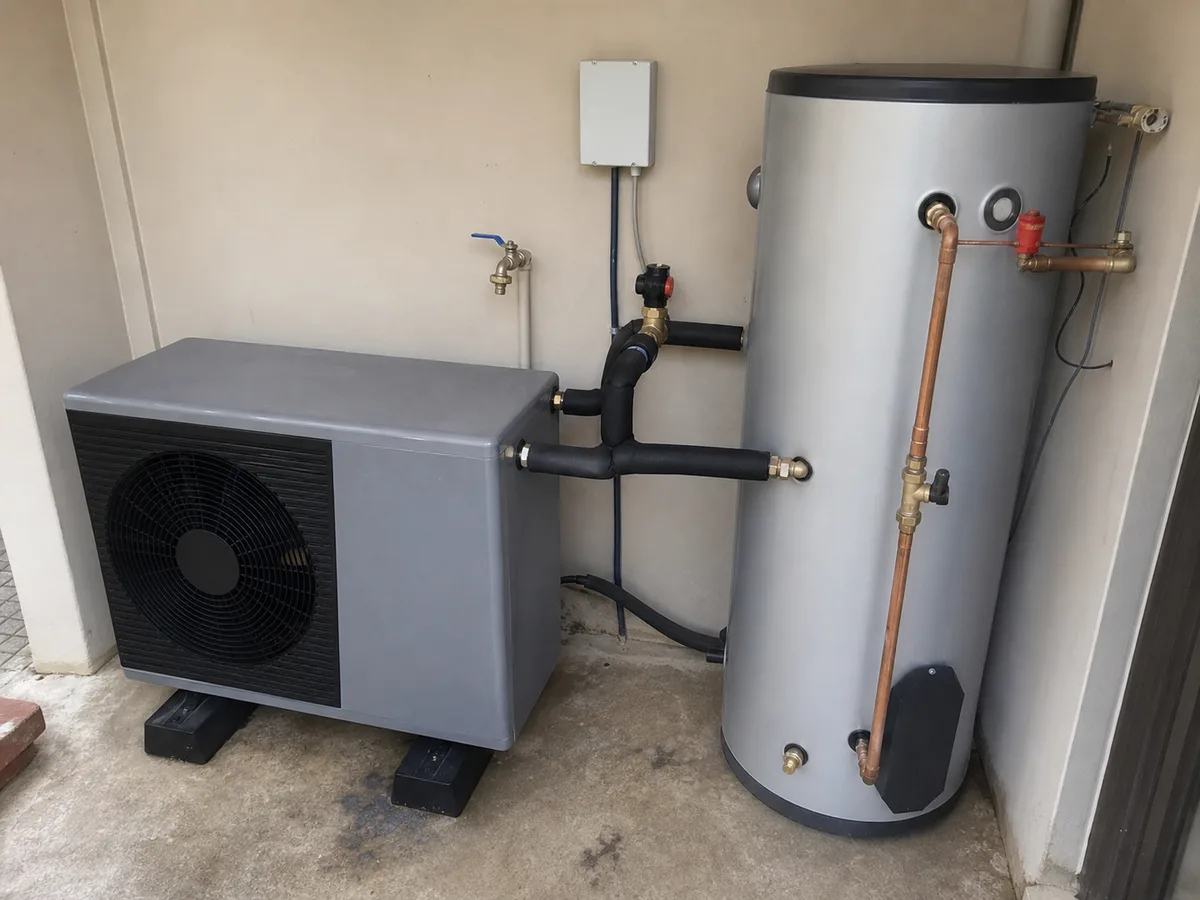
Heat pump installation

Heat pump and hot-water setup installed in a utility space.
Heat pump installation with connected hot-water equipment in a service area.

Heat pump installation requires planning around water connections, electrical support, airflow, drainage, space and service access. The system should suit household demand and the existing hot-water setup. A good installation considers both performance and maintenance, not only the purchase of the unit.

What to look for: Check available space, airflow, geyser compatibility, electrical requirements and where condensate or drainage will go.

Maintenance tip: Keep the heat pump area clear so airflow and maintenance access are not restricted.

Learn more about Pump installation

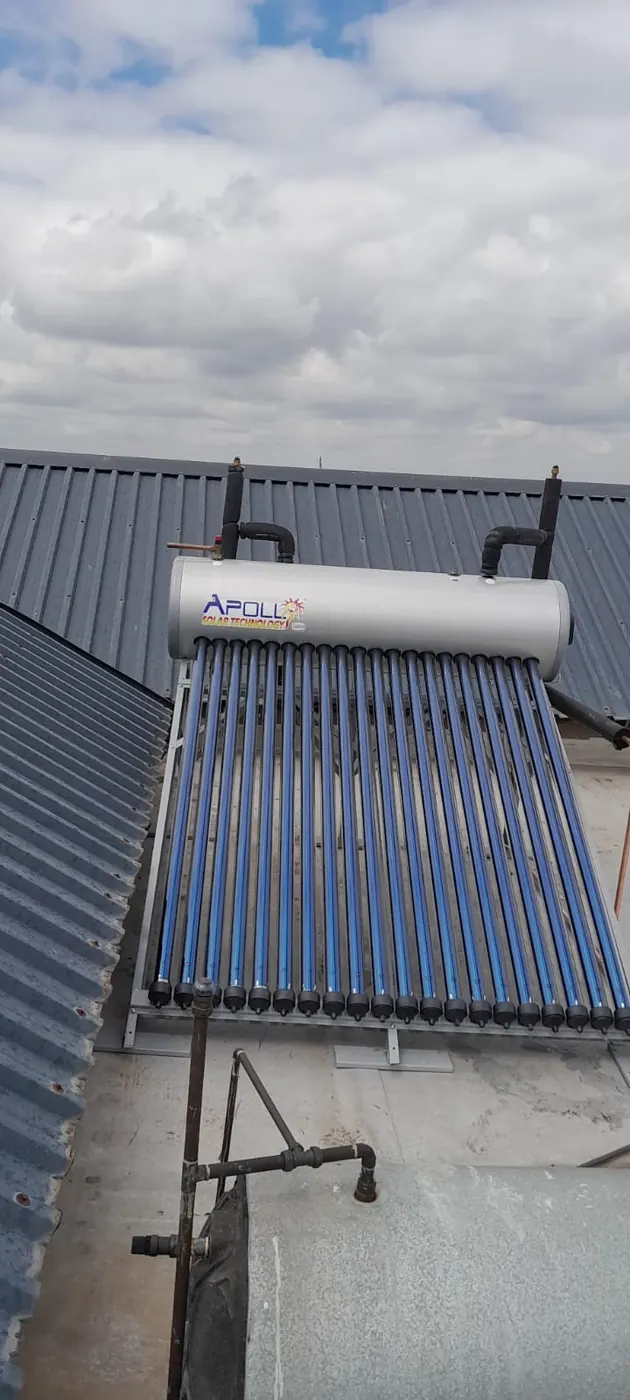
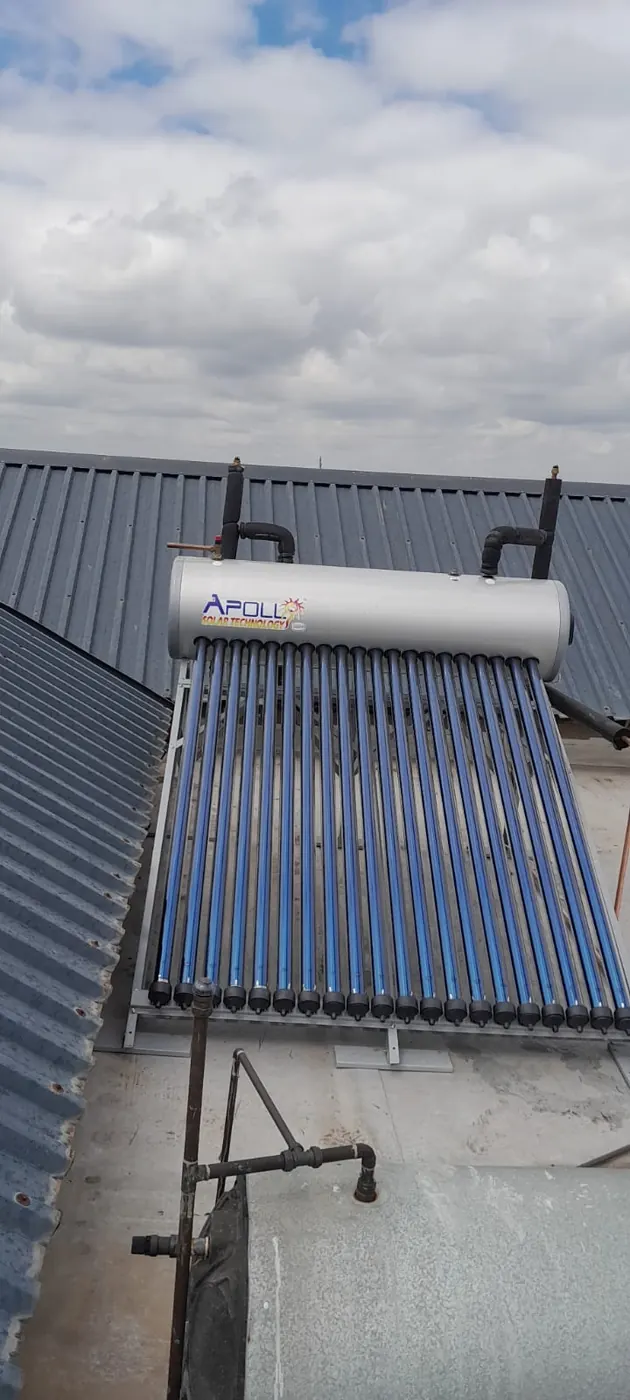
Solar geyser installation

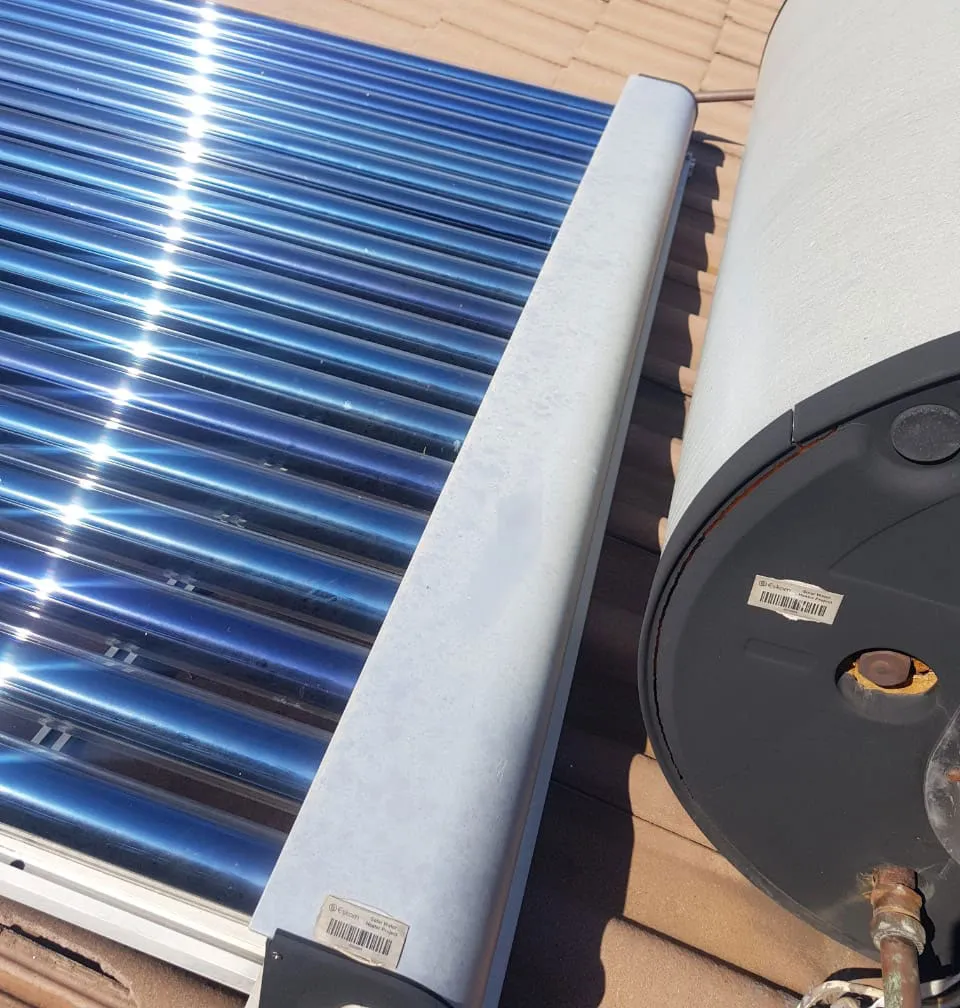
Solar geyser installation with evacuated tubes and storage cylinder mounted on a roof.
Solar geyser installation on a roof with collector tubes and storage cylinder.

Solar geyser installation should consider roof position, available space, household demand, pressure, valves and maintenance access. The right option depends on the property and how hot water is used each day. Proper planning helps avoid a system that is too small, poorly positioned or difficult to service later.

What to look for: Review roof direction, shading, geyser age, water pressure, daily demand and access before choosing a system.

Maintenance tip: Do not choose a solar geyser only by price; size, placement and serviceability matter.

Learn more about Solar geyser installation

Bathrooms, kitchens & fixtures

Bathrooms, kitchens & fixtures services

Fixtures are used every day, so small leaks, poor drainage or loose fittings can quickly become frustrating. These services focus on practical repairs and clean installations in high-use rooms.

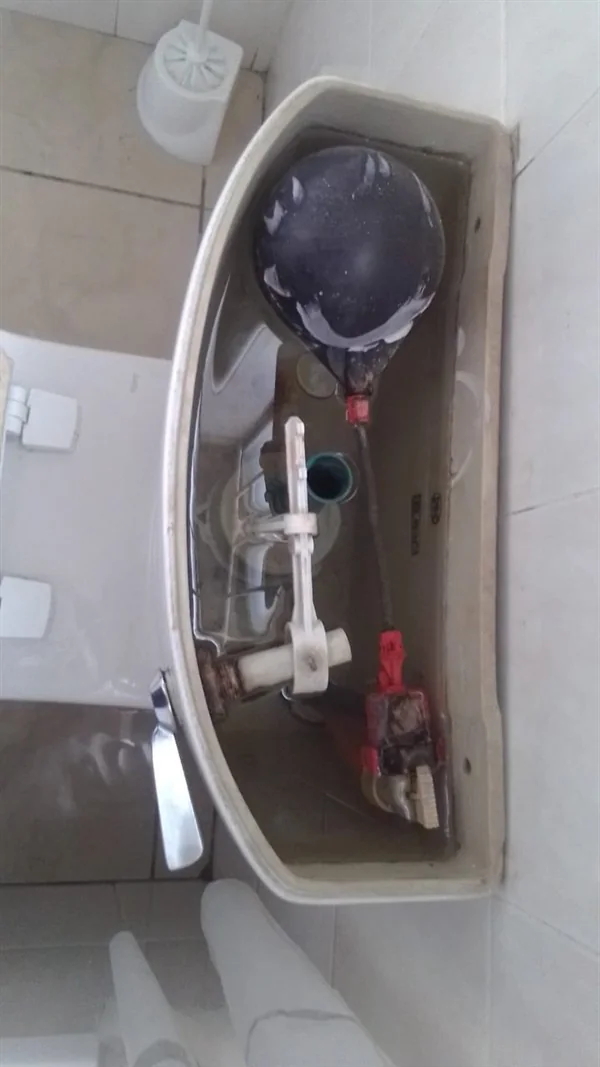
Toilet repairs

Toilet Repairs plumbing service image for Plumb A Nator.
Toilet Repairs service image for Plumb A Nator.

Toilet repairs cover running water, weak flushing, leaking pans, inlet valve problems, outlet issues, loose seats, cistern faults and seal failures. A toilet fault can waste water continuously or create hygiene concerns if ignored. The correct repair depends on whether the issue is inside the cistern, around the pan connection, at the water supply or in the waste line.

What to look for: Watch for water running into the pan, rocking toilets, sewer smells, water around the base, slow refilling or poor flushing.

Maintenance tip: Food, wipes and sanitary products should not be flushed because they can create repeat blockages.

Learn more about Toilet repairs

Toilet installation

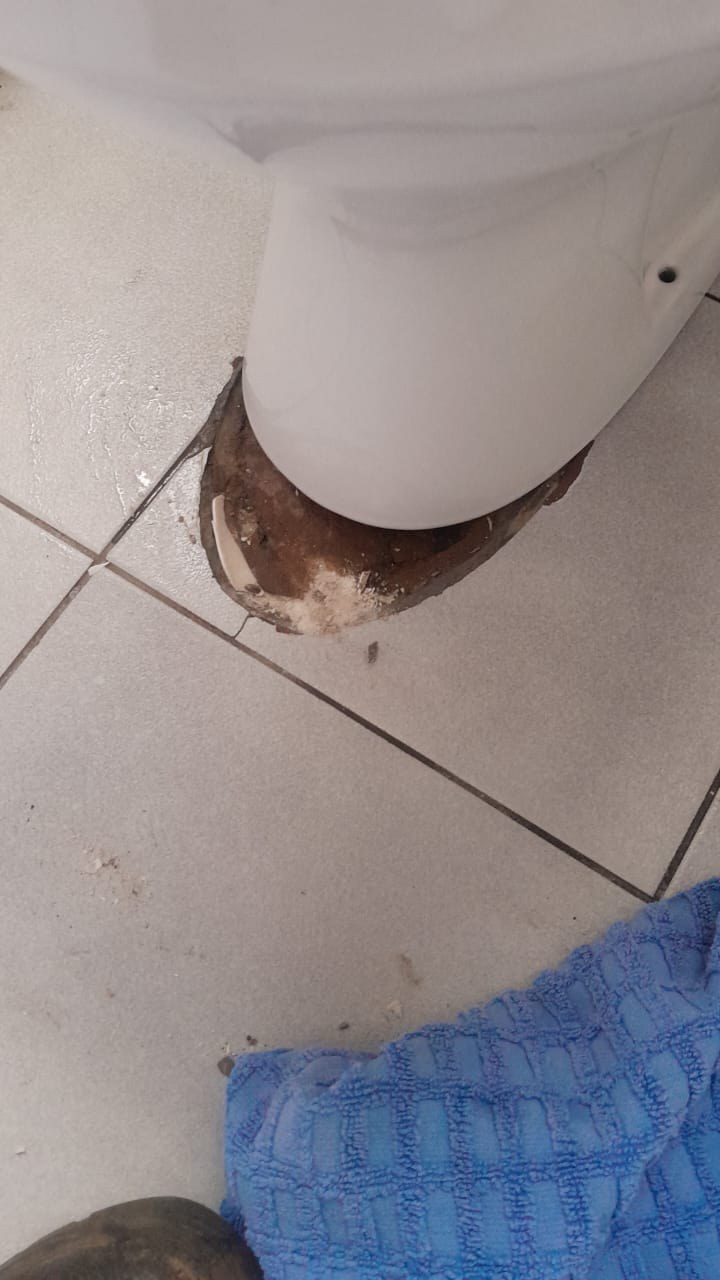
Toilet installation showing the toilet pan base area opened around the waste connection during plumbing work by Plumb A Nator.
Toilet installation image showing the pan base area and waste opening during plumbing work.

Toilet installation requires more than placing a pan and connecting water. The outlet alignment, floor level, sealing, cistern feed, available space and finished bathroom layout all affect the result. A neat installation should be stable, comfortable to use, easy to maintain and properly connected so it does not create leaks or smells later.

What to look for: Before replacing a toilet, check the outlet position, available space, floor condition and whether the existing supply pipe needs adjustment.

Maintenance tip: Choose a toilet that matches the existing waste outlet where possible to reduce unnecessary floor or wall changes.

Learn more about Toilet installation

Tap repairs

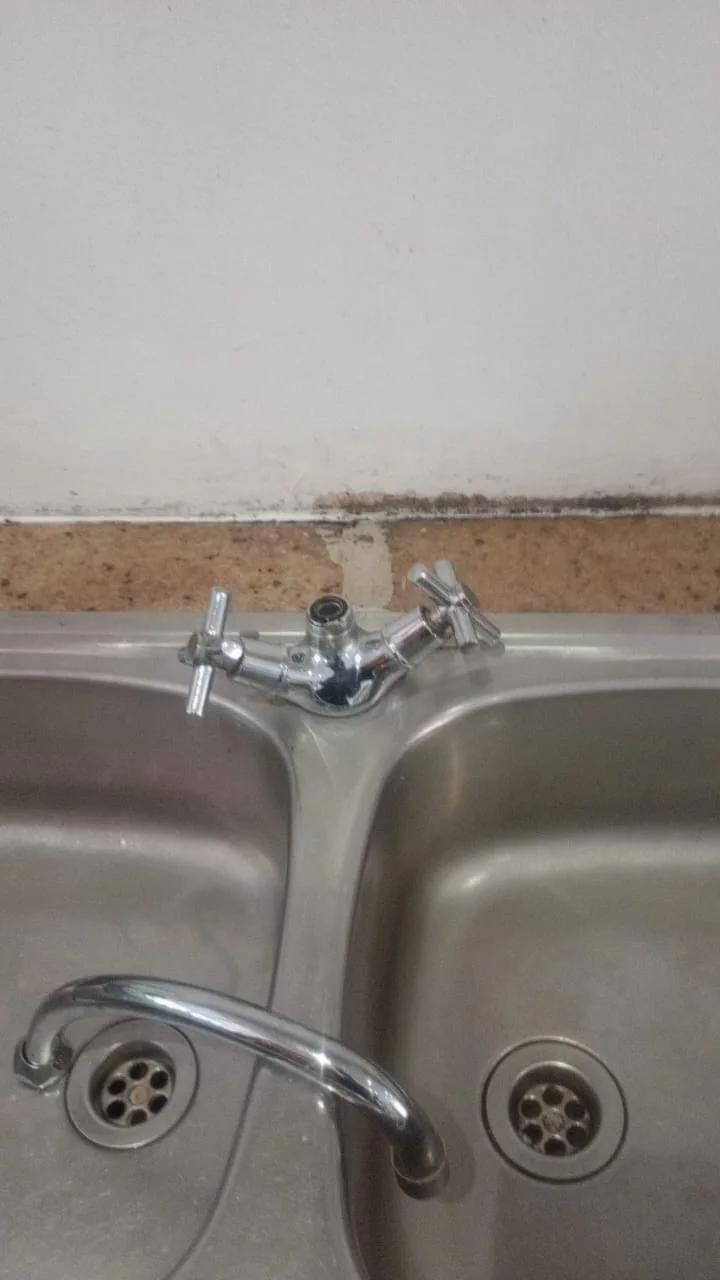
Tap Repairs plumbing service image for Plumb A Nator.
Tap Repairs service image for Plumb A Nator.

Tap repairs may involve dripping outlets, stiff handles, noisy operation, leaking bases, worn washers, damaged cartridges or failing seats. A small drip can waste a surprising amount of water over time and may also damage cupboards, vanities or countertops. The repair approach depends on the tap type and whether parts are still available.

What to look for: Look for dripping, water around the base, squeaking handles, uneven flow or taps that no longer close properly.

Maintenance tip: Do not overtighten a leaking tap handle; it can damage internal parts and make the repair more expensive.

Learn more about Tap repairs

Mixer tap installation

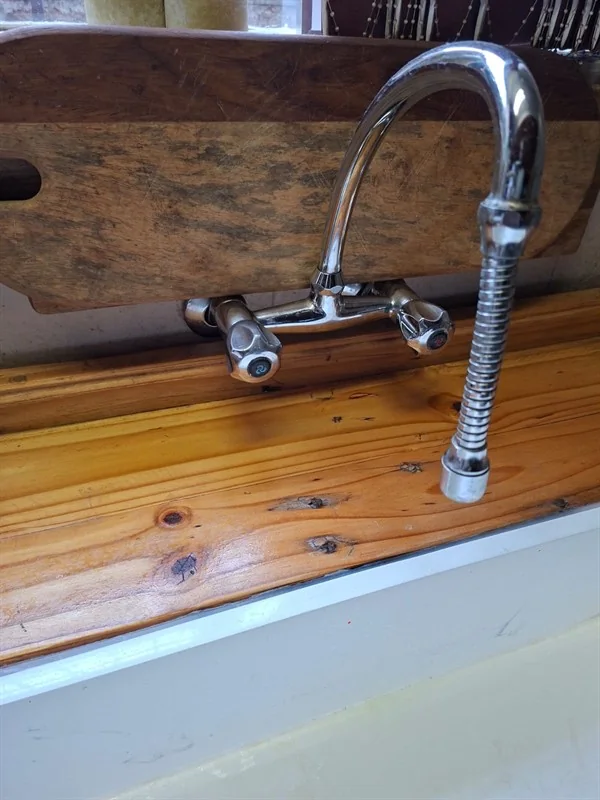
Mixer Tap Installation plumbing service image for Plumb A Nator.
Mixer Tap Installation service image for Plumb A Nator.

Mixer tap installation needs correct hot-and-cold connection, secure mounting and neat finishing around the basin, sink, bath or shower point. The installation should also consider pressure compatibility, access below the fixture and whether old pipework or isolation valves need attention. A good mixer installation should feel solid, operate smoothly and be serviceable later.

What to look for: Check whether the existing connections are accessible, whether isolation valves work and whether the old mixer has damaged the mounting surface.

Maintenance tip: Install or maintain isolation valves under sinks and basins so future tap repairs are easier.

Learn more about Mixer tap installation

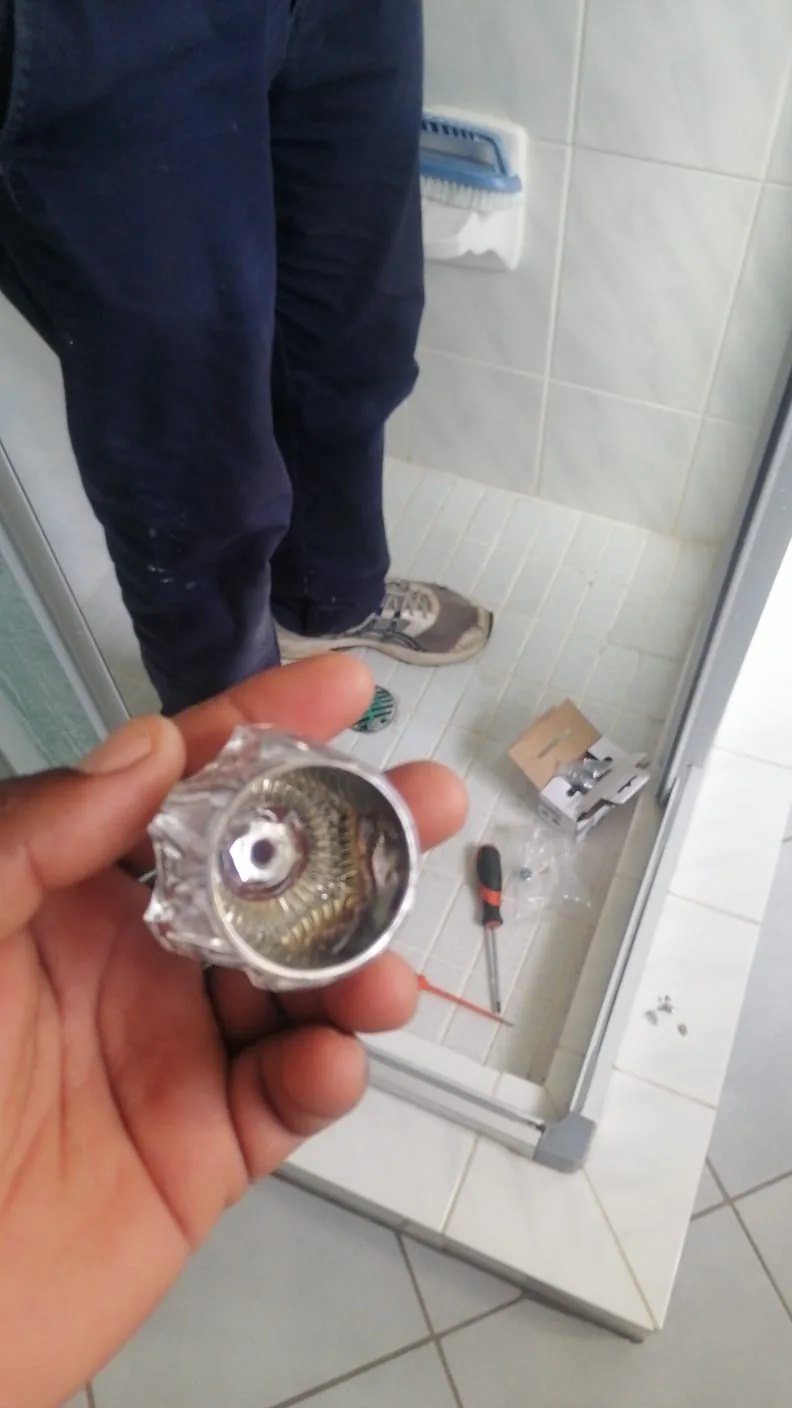
Shower repairs

Shower Repairs plumbing service image for Plumb A Nator.
Shower Repairs service image for Plumb A Nator.

Shower repairs can involve leaking mixers, poor pressure, blocked shower heads, loose fittings, drainage issues, cracked seals or water escaping into surrounding walls and floors. The visible problem may be small, but shower leaks can damage tiles, cupboards, ceilings and adjoining rooms if left unresolved. The repair should focus on the actual leak path, not only the visible water.

What to look for: Watch for damp walls, loose tiles, mould around corners, slow drainage, leaking mixers or water appearing outside the shower area.

Maintenance tip: Keep silicone joints and grout in good condition because failed seals can allow water to travel behind finishes.

Learn more about Shower repairs

Shower installation

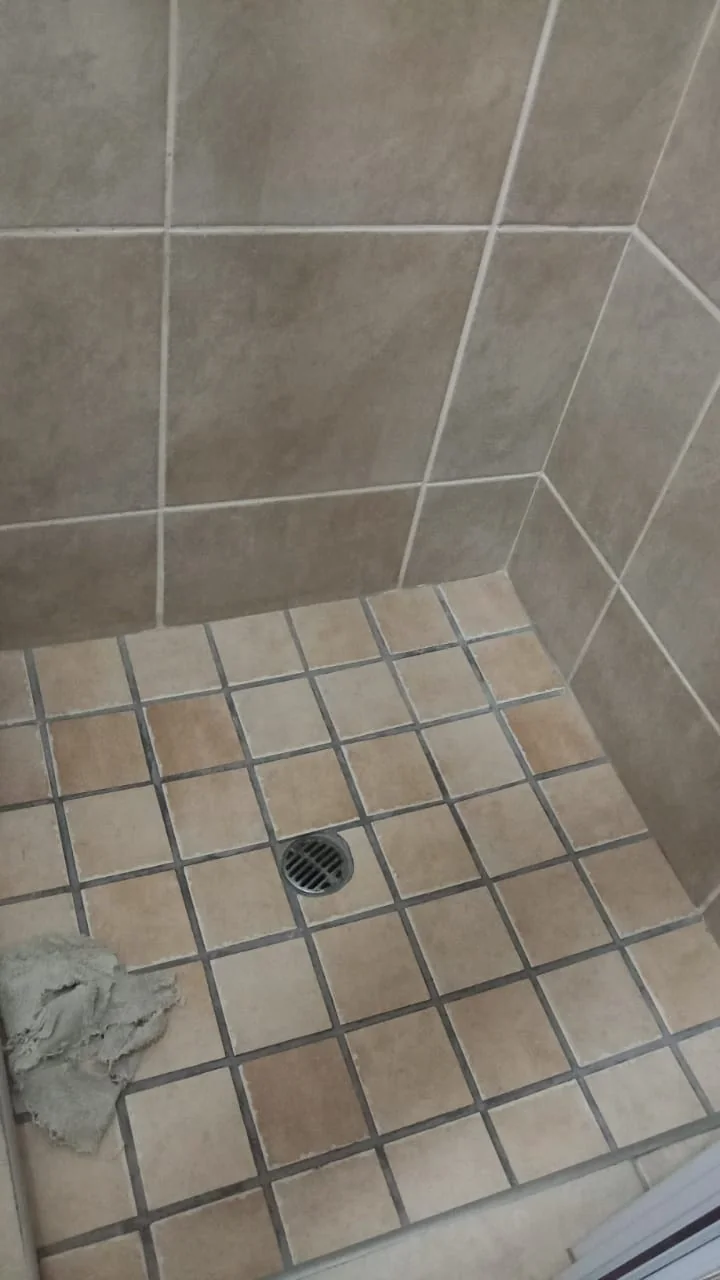
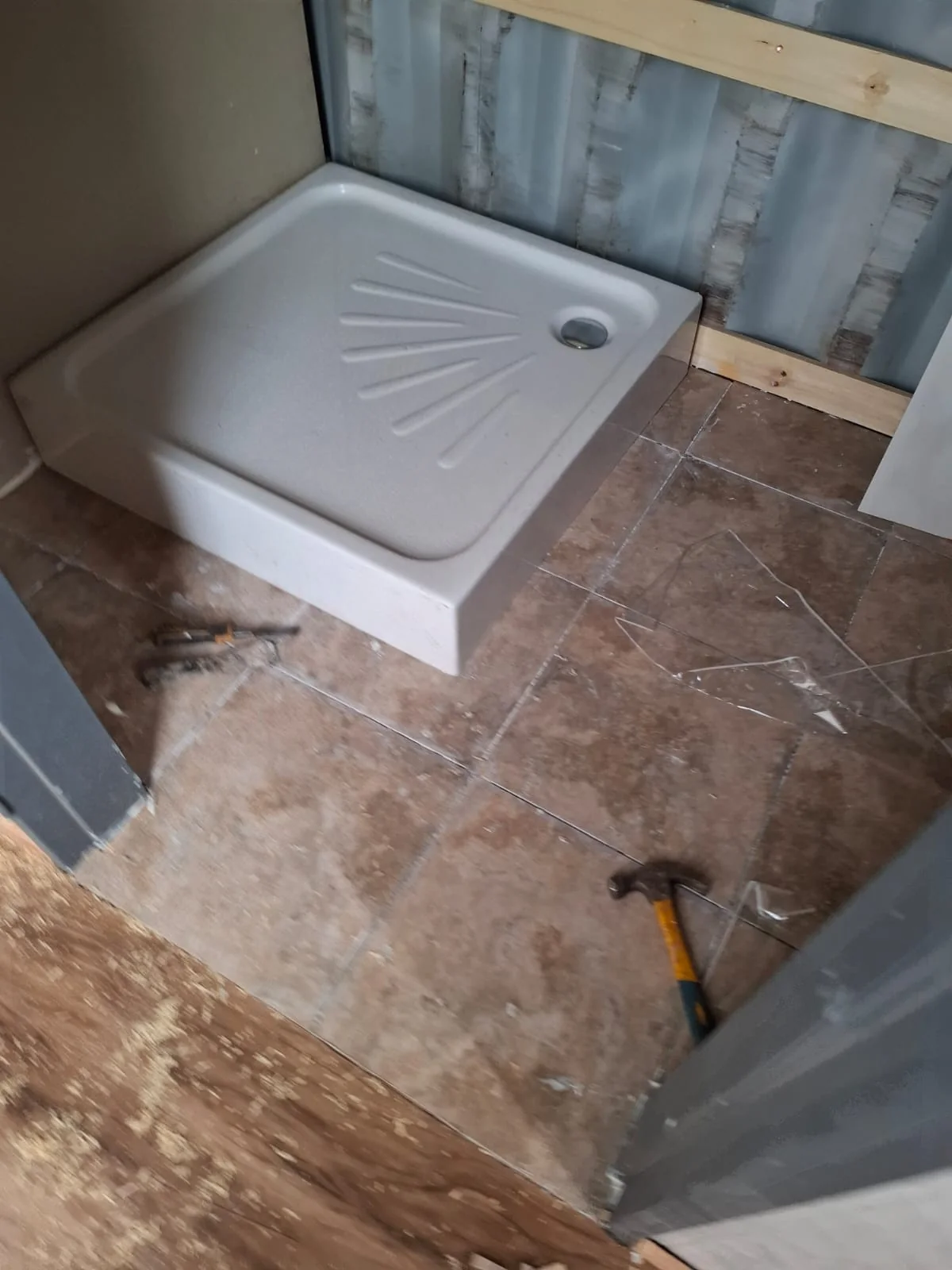
Shower Installation plumbing service image for Plumb A Nator.
Shower Installation service image for Plumb A Nator.

Shower installation should be planned around drainage fall, mixer height, water supply, waterproofing risk, access and the way the space will be used daily. Poor planning can lead to leaks, uncomfortable use, slow drainage or difficult maintenance. A good installation balances appearance with practical service access and reliable water control.

What to look for: Before installation, confirm drain position, water points, floor slope, wall condition and whether the shower area can be sealed properly.

Maintenance tip: Plan the mixer and shower outlet positions before tiling so the finished layout feels natural to use.

Learn more about Shower installation

Bath installation

Bath Installation plumbing service image for Plumb A Nator.
Bath Installation service image for Plumb A Nator.

Bath installation requires stable support, correct waste alignment, reliable sealing and sensible access to the trap or pipework where possible. A bath can hold significant weight when filled, so support and levelling matter. The plumbing should be planned before finishing work is closed, especially in renovations where access may become difficult later.

What to look for: Check the floor support, waste position, overflow connection, wall finishing and whether future access is possible.

Maintenance tip: Test bath waste and overflow connections before closing panels or tiling around the bath.

Learn more about Bath installation

Basin installation

Basin Installation plumbing service image for Plumb A Nator.
Basin Installation service image for Plumb A Nator.

Basin installation includes secure support, tap connection, waste alignment, trap placement and neat finishing against the wall or vanity. The basin should be stable and practical to use without creating awkward pipework underneath. Good planning helps avoid leaks inside cabinets and makes future trap cleaning or tap maintenance easier.

What to look for: Check wall strength, vanity condition, waste height, tap holes and available space for the trap and isolation valves.

Maintenance tip: Keep storage items away from basin traps so small leaks can be noticed before cabinet damage develops.

Learn more about Basin installation

Sink installation

Sink Installation plumbing service image for Plumb A Nator.
Sink Installation service image for Plumb A Nator.

Sink installation in kitchens, sculleries and utility areas must consider the sink size, mixer position, waste routing, appliance connections and cupboard space below. A poorly planned sink area can cause recurring leaks, smells, slow drainage or difficult access. The goal is a clean installation that supports daily use and maintenance.

What to look for: Before fitting, check the cabinet opening, waste route, hot-and-cold supply, appliance points and countertop condition.

Maintenance tip: Avoid storing heavy items against sink pipework because movement can loosen traps and create leaks.

Learn more about Sink installation

Bathroom plumbing

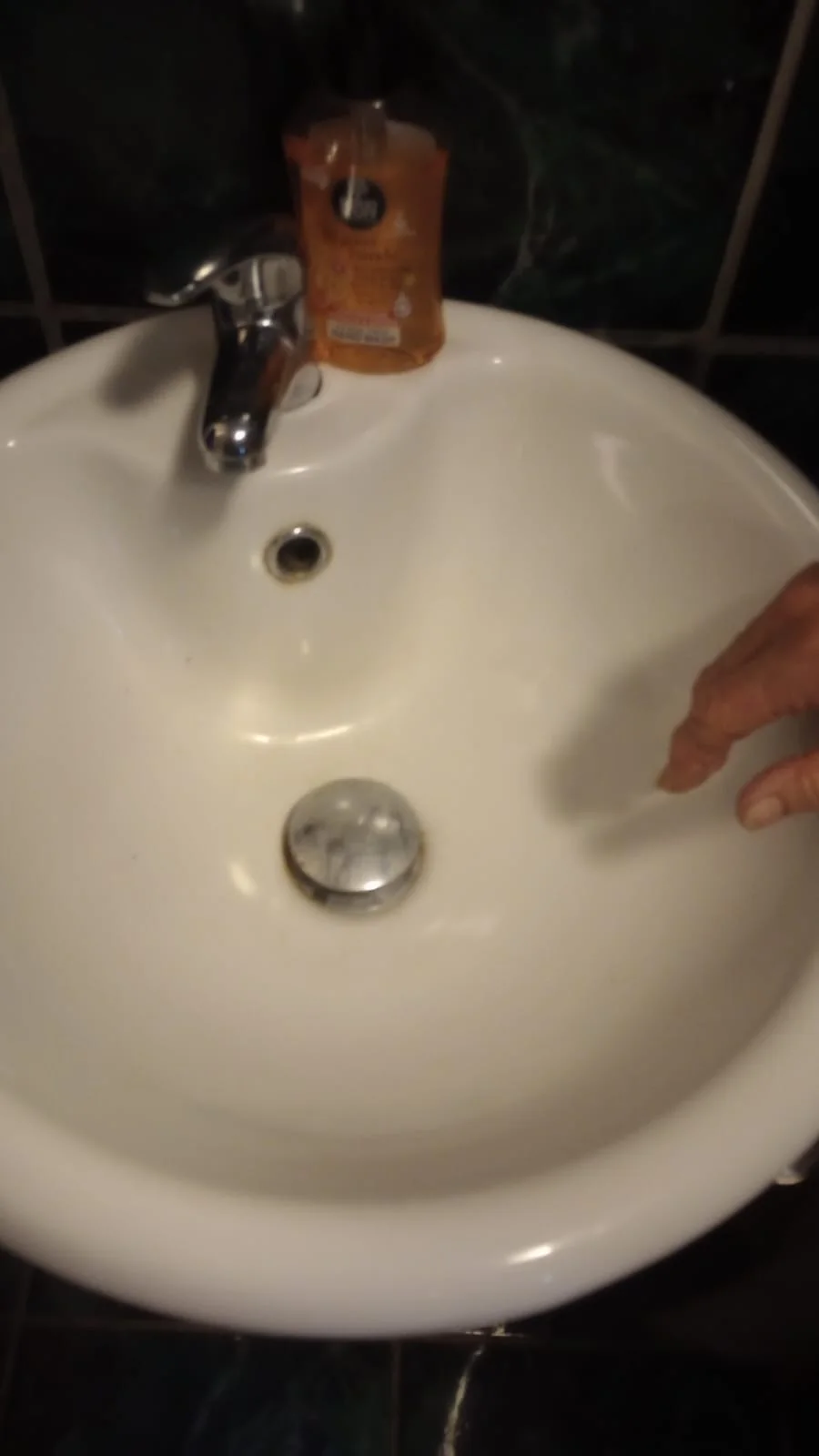
Bathroom Plumbing plumbing service image for Plumb A Nator.
Bathroom Plumbing service image for Plumb A Nator.

Bathroom plumbing covers toilets, basins, baths, showers, mixers, drains, water points and waste connections. Because bathrooms contain many fixtures close together, one symptom can sometimes come from another source. A practical bathroom repair should consider water supply, drainage, sealing and how the room is used every day.

What to look for: Look for slow drains, damp cabinets, leaking mixers, toilet movement, shower water escaping or persistent odours.

Maintenance tip: Deal with small bathroom leaks quickly because water can travel behind tiles and into cupboards.

Learn more about Bathroom plumbing

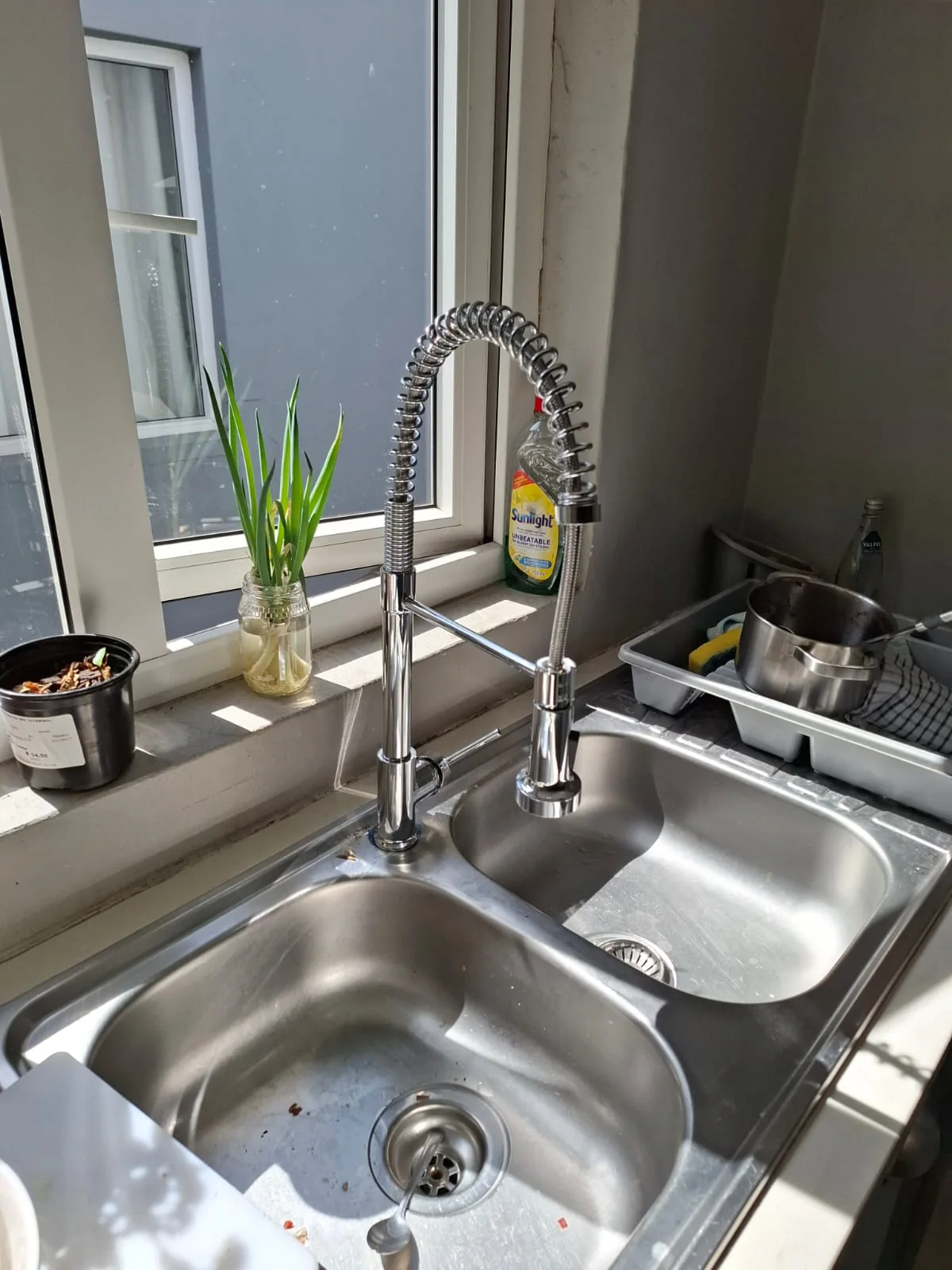
Kitchen plumbing

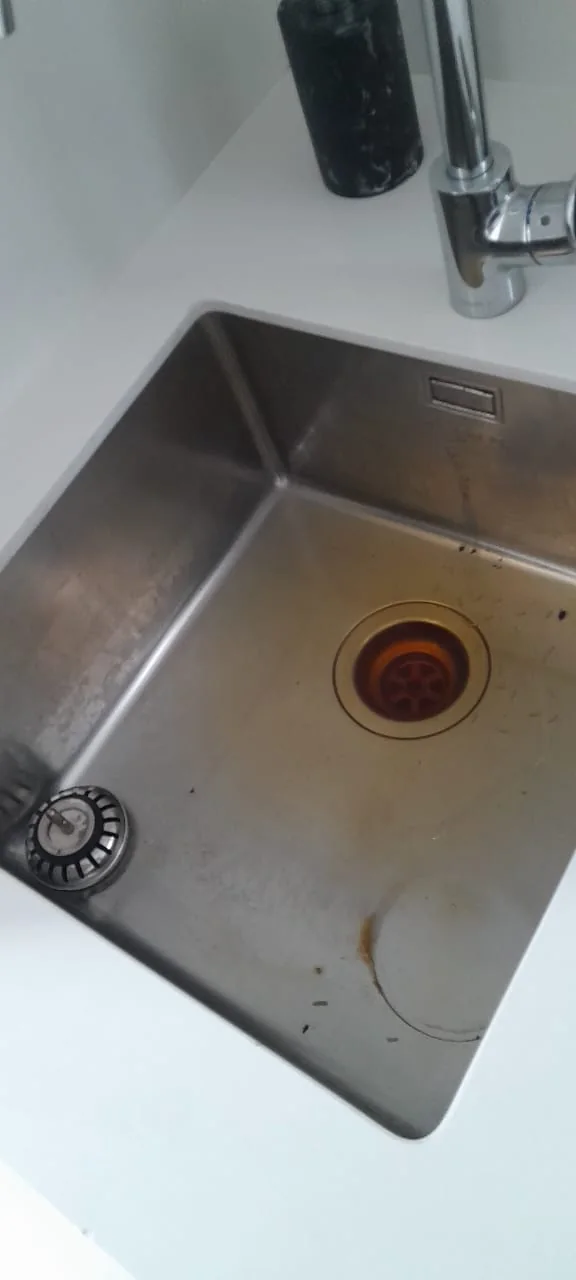
Kitchen Plumbing plumbing service image for Plumb A Nator.
Kitchen Plumbing service image for Plumb A Nator.

Kitchen plumbing includes sinks, mixers, waste traps, appliance connections, leaks, drainage smells and under-counter pipework. Kitchens are used heavily, so small faults can quickly become disruptive. The repair should consider water supply, waste flow, cupboard protection and access for appliances or future maintenance.

What to look for: Common signs include water under the sink, slow drainage, bad smells, leaking mixers or appliance waste backing up.

Maintenance tip: Keep the cupboard under the sink dry and uncluttered so leaks can be spotted early.

Learn more about Kitchen plumbing

Appliances, tanks, meters & pumps

Appliances, tanks, meters & pumps services

Appliances, tanks, meters and pumps connect plumbing with storage, pressure, drainage and control. Proper setup helps protect cupboards, floors, equipment and the wider water system.

Appliance plumbing connections

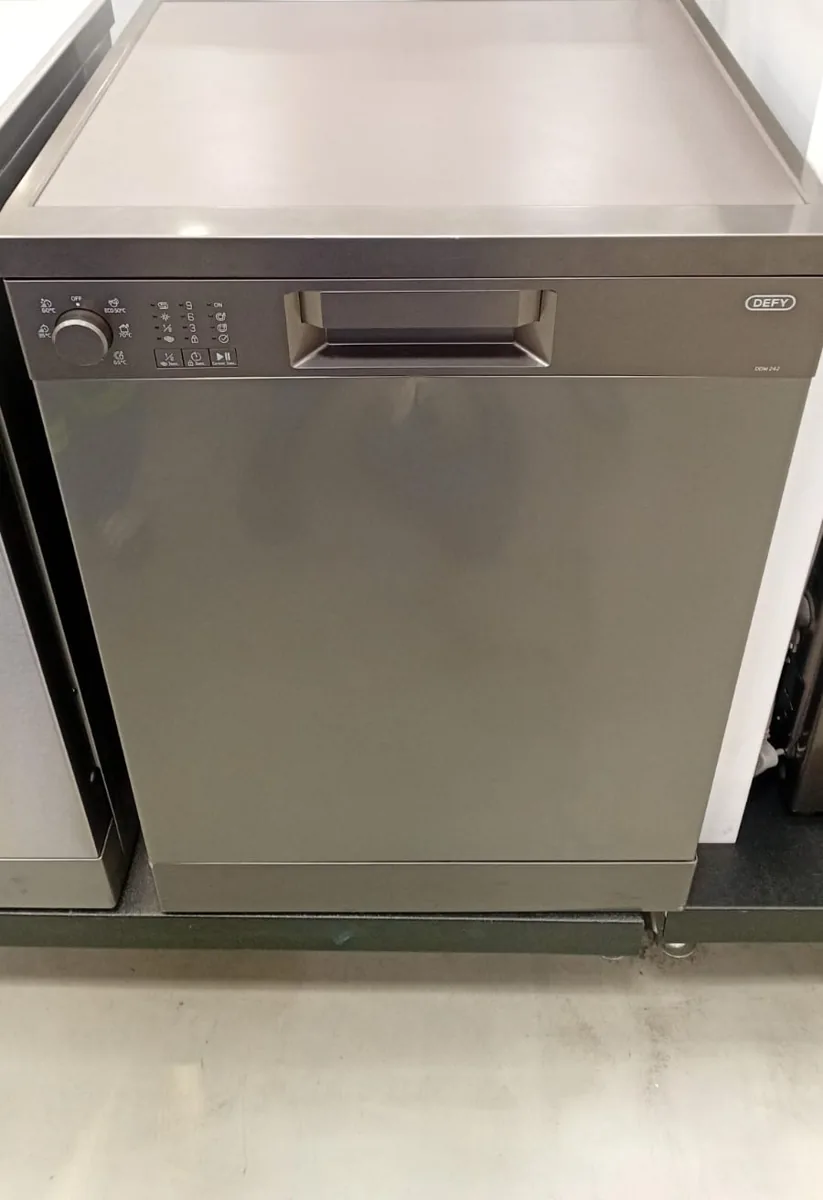
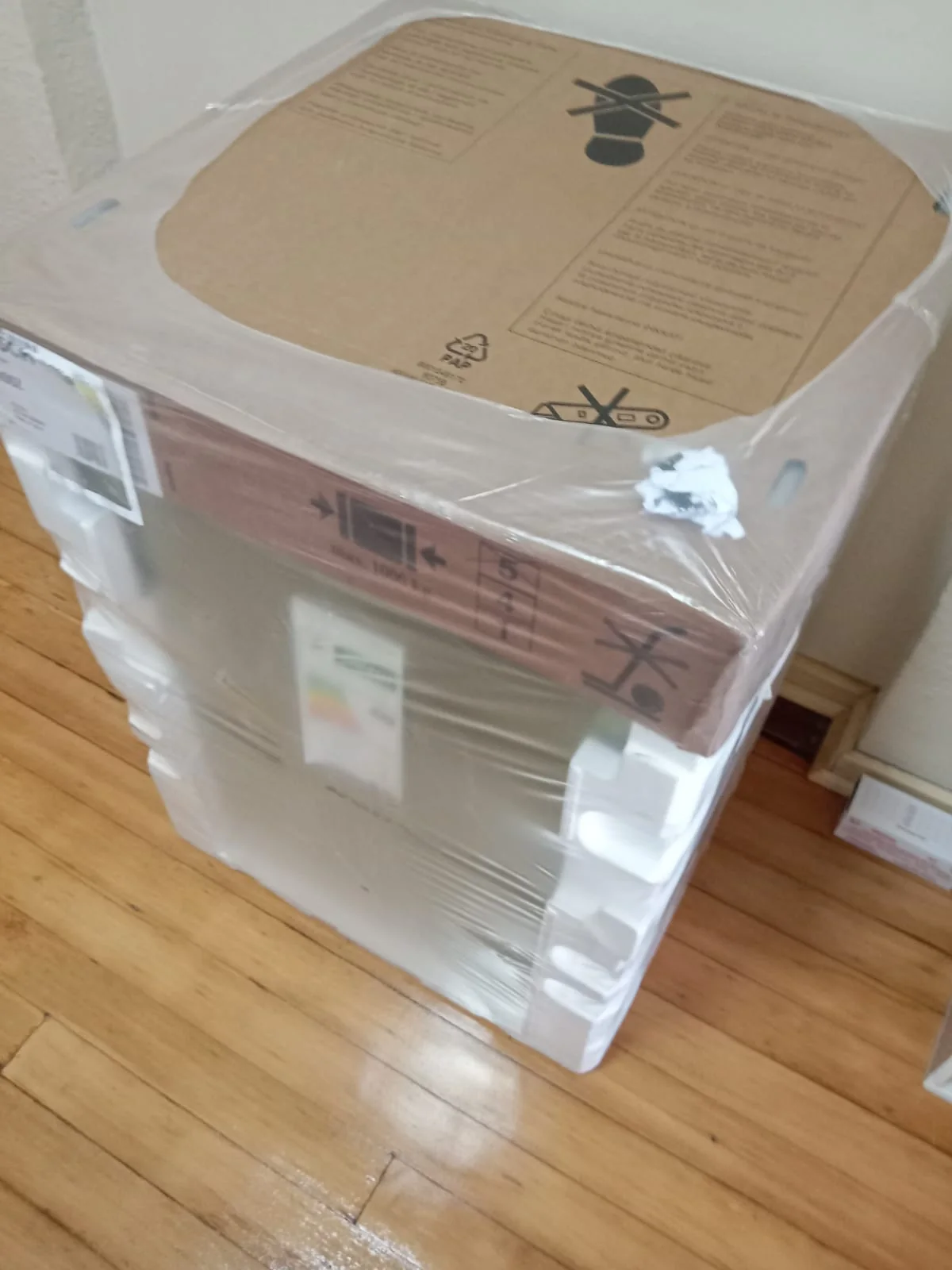
Dishwasher prepared for appliance plumbing connections in a showroom-style setting.
Appliance plumbing connections for a dishwasher installation.

Appliance plumbing connections help washing machines, dishwashers and related appliances operate safely without avoidable leaks or drainage problems. The connection should include secure water supply, proper waste routing, accessible isolation and attention to how the appliance will move during use. Poor connections can damage cupboards, floors and electrical points nearby.

What to look for: Check for dripping hoses, loose waste pipes, water under appliances, slow drainage or appliance errors linked to water flow.

Maintenance tip: Replace old appliance hoses before they become brittle or swollen.

Learn more about Appliance plumbing connections

Washing machine connection

Washing Machine Connection plumbing service image for Plumb A Nator.
Washing Machine Connection service image for Plumb A Nator.

Washing machine connection requires a reliable water feed, accessible isolation point and secure waste discharge. The appliance vibrates during use, so connections must be stable and positioned to reduce strain. A poor connection can lead to slow leaks behind the machine or sudden hose failures that damage floors.

What to look for: Watch for wet flooring behind the machine, loose hoses, poor drainage, water hammer or leaking taps.

Maintenance tip: Leave enough space behind the machine so hoses are not crushed or kinked.

Learn more about Washing machine connection

Dishwasher connection

Dishwasher Connection plumbing service image for Plumb A Nator.
Dishwasher Connection service image for Plumb A Nator.

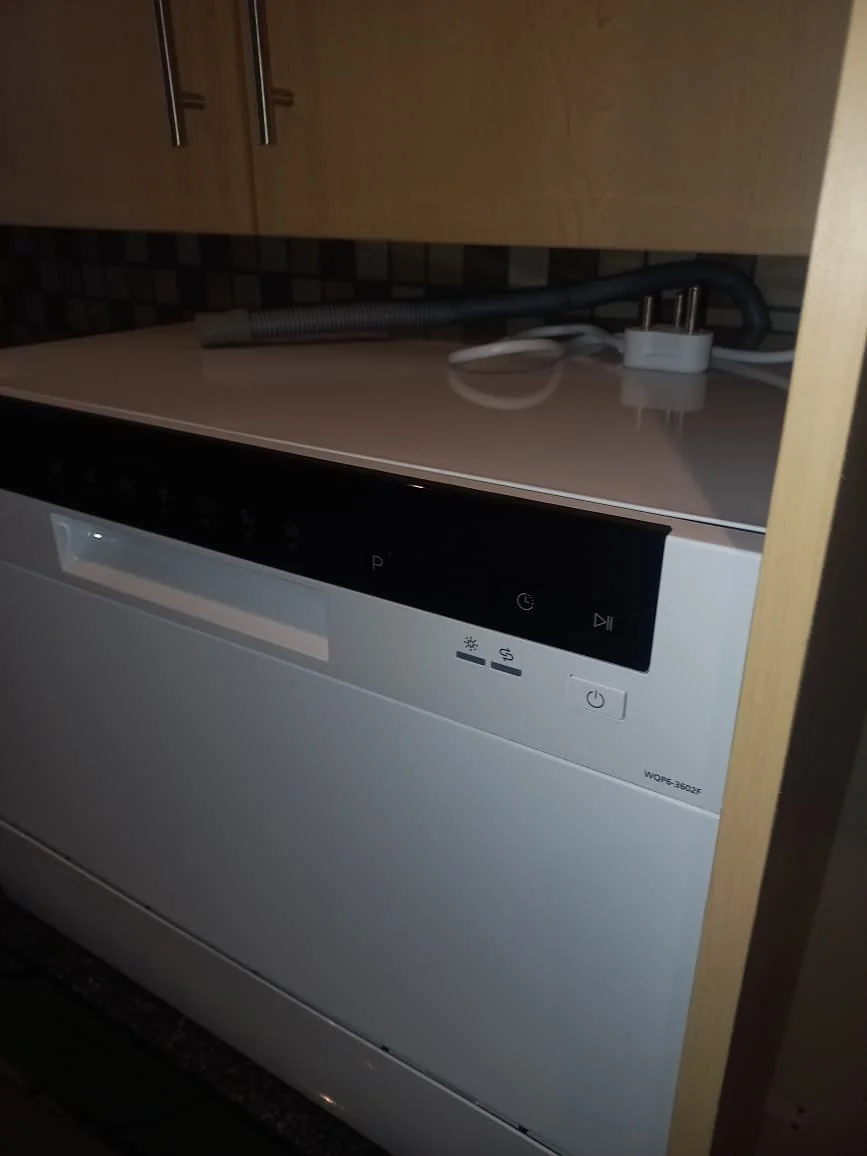
Dishwasher connection needs neat supply and waste routing, especially where the appliance sits inside kitchen cabinetry. The installation should prevent hose kinks, trap leaks and backflow from the sink waste. A careful setup protects cupboards and helps the appliance drain properly after each cycle.

What to look for: Look for water under the unit, bad smells, slow draining, loose waste connections or damp cabinet bases.

Maintenance tip: Run the dishwasher after installation and check underneath for moisture before packing the cupboard.

Learn more about Dishwasher connection

Backflow prevention

Backflow Prevention plumbing service image for Plumb A Nator.
Backflow Prevention service image for Plumb A Nator.

Backflow prevention reduces the risk of unwanted reverse flow into clean water lines. It can be important where tanks, irrigation, appliances, pumps or special installations connect to a property water system. The correct backflow approach depends on the use, risk and system layout.

What to look for: Consider backflow protection where stored water, pumps or non-potable systems connect near potable supply lines.

Maintenance tip: Ask about backflow prevention when adding tanks, pumps, irrigation or greywater-related systems.

Learn more about Backflow prevention

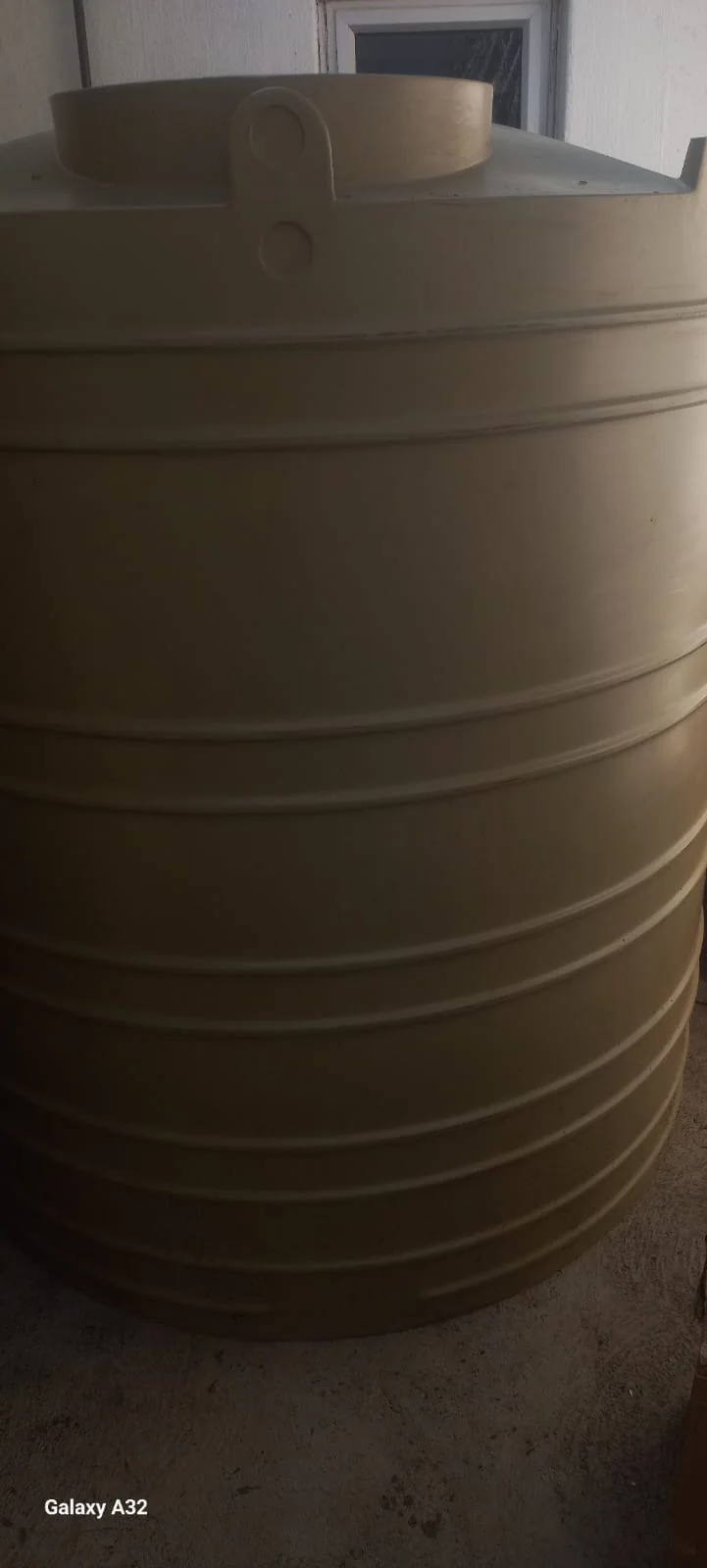
JoJo tank installation

Jojo Tank Installation plumbing service image for Plumb A Nator.
Jojo Tank Installation service image for Plumb A Nator.

JoJo tank installation involves stable positioning, inlet and outlet planning, overflow routing, pump options and connection to the intended supply point. The tank must be placed where it can be filled, accessed and maintained. Poor placement can make future repairs difficult or create water-control problems.

What to look for: Check the base, available space, downpipe or supply route, overflow direction and whether a pump is required.

Maintenance tip: Install tanks on a stable, level base to reduce stress on fittings and connections.

Learn more about JoJo tank installation

Water tank plumbing

JoJo water tank plumbing with float valve, overflow, pump feed and bypass pipework support by Plumb A Nator.
Water tank plumbing service image for Plumb A Nator.

Water tank plumbing connects stored water to the property in a controlled and practical way. It may involve valves, pumps, overflows, filters, bypasses or dedicated supply lines. The setup should match how the tank will be used, whether for backup supply, garden use, pressure support or a specific fixture.

What to look for: Consider where water enters, where it exits, how overflow is handled and how the system can be isolated.

Maintenance tip: Label tank valves clearly so the system can be controlled quickly during maintenance.

Learn more about Water tank plumbing

Pump installation

Pump Installation plumbing service image for Plumb A Nator.
Pump Installation service image for Plumb A Nator.

Pump installation should match the water source, pressure need, flow requirement and intended use. The pump may support tanks, pressure boosting, irrigation or specific supply lines. Installation planning should include electrical support, protection, valves, noise, vibration and maintenance access.

What to look for: Before installing, confirm the water source, required pressure, distance, power supply and protection against dry-running.

Maintenance tip: Choose a pump based on required duty, not only size or price.

Learn more about Pump installation

Projects, properties & ongoing support

Projects, properties & ongoing support services

Larger properties and projects need planning, communication and durable repair choices. These services are useful for renovations, new builds, commercial sites, industrial spaces and routine maintenance.

Renovation plumbing

Renovation plumbing coordinates new fixture positions, water points, waste lines, valves and access before finishes are installed. It is much easier to correct plumbing while walls and floors are open than after tiling, cabinets or ceilings are complete. Good planning prevents expensive rework and awkward future maintenance.

What to look for: Before starting, confirm where every toilet, basin, bath, shower, sink, appliance and geyser connection will be.

Maintenance tip: Include plumbing decisions early in renovation planning, not after the builder has closed the walls.

Learn more about Renovation plumbing

Commercial plumbing

Commercial Plumbing plumbing service image for Plumb A Nator.
Commercial Plumbing service image for Plumb A Nator.

Commercial plumbing supports shops, offices, complexes, restaurants, facilities and business premises where downtime matters. The work may involve urgent repairs, planned maintenance, drainage issues, fixtures, geysers, pipework and compliance-sensitive tasks. Clear communication is important because managers, staff, tenants and customers may all be affected.

What to look for: Commercial warning signs include repeat blockages, customer-area leaks, staff bathroom faults, kitchen drainage issues or pressure complaints.

Maintenance tip: Set up scheduled maintenance for high-use bathrooms, kitchens and drainage points to reduce emergency interruptions.

Learn more about Commercial plumbing

Industrial plumbing

Industrial Plumbing plumbing service image for Plumb A Nator.
Industrial Plumbing service image for Plumb A Nator.

Industrial plumbing often involves larger layouts, durable pipework, operational risk, site access and coordination with production or facility teams. The work may require planning around safety, downtime, water demand, drainage, pumps or specialised areas. A practical repair should respect the site’s operating conditions.

What to look for: Look for pressure irregularities, damaged lines, drainage capacity issues, pump faults or leaks affecting operations.

Maintenance tip: Document recurring faults so repairs can be planned around patterns rather than isolated incidents.

Learn more about Industrial plumbing

Maintenance plumbing

Maintenance Plumbing plumbing service image for Plumb A Nator.
Maintenance Plumbing service image for Plumb A Nator.

Maintenance plumbing helps prevent small faults from turning into urgent failures. It can include checking valves, taps, toilets, drains, geysers, pumps, meters, appliance connections and visible pipework. Regular maintenance is especially useful for rental properties, complexes, shops, offices and busy homes where downtime causes stress.

What to look for: Watch for slow drains, small leaks, dripping valves, noisy pipes, pressure changes, running toilets and ageing flexible connectors.

Maintenance tip: Schedule maintenance before peak seasons, tenant changes or renovation work so problems are found early.

Learn more about Maintenance plumbing

Local plumbing service areas

Plumbing help connected to the area, property type and service needed.

Each service-area request should explain the property type, access details, common symptoms and urgency. These links help customers request the correct service for their area.

How service calls are handled

Each service card now works as a technical checklist: symptoms, isolation points, likely components, access limits and the repair method are separated before a job is approved.

01

Describe the symptom

Share the fixture type, pipe material where visible, valve position, overflow point, smell, sound, pressure change, meter movement or drainage symptom so the fault can be triaged accurately.

02

Check the likely cause

The fault is checked against stop taps, pressure-control valves, vacuum breakers, traps, waste lines, flexi connectors, geyser trays, pumps and appliance feeds before parts are replaced.

03

Choose the repair route

The work route may involve mechanical drain clearing, high-pressure jetting, targeted leak tracing, valve replacement, pipe rerouting, fixture refitting or a planned maintenance visit.

04

Confirm before work starts

Before work starts, the technician should explain the access needed, the likely component being repaired, the risk of hidden damage and the practical cost path for the chosen method.

Meet the team

The service team behind repairs, installations and maintenance calls.

The services listed on this page are supported by a practical mix of plumbers, electricians, leak-detection support, solar geyser technicians and appliance specialists. Different skills matter because a plumbing request can involve water supply, drainage, pressure control, hot-water systems, appliances or property maintenance.

Daniso Chitanda, Plumber and Electrician at Plumb A Nator

Daniso Chitanda

Plumber and Electrician

Assists service calls where plumbing and electrical understanding both matter, especially around geysers, pumps, appliance points and fault checks.

Jeffrey Shabangu, Plumber at Plumb A Nator

Jeffrey Shabangu

Plumber

Supports general plumbing service requests, from pipework and fixture repairs to on-site checks that help customers choose the right repair route.

Jerico Ndebele, Electrician at Plumb A Nator

Jerico Ndebele

Electrician

Helps with electrical support linked to plumbing systems, including geyser-related checks, appliances and connected site services.

Lawrence Diago, Leak Detector at Plumb A Nator

Lawrence Diago

Leak Detector

Focuses on leak-related symptoms, helping narrow down damp areas, pressure changes and hidden water loss before repairs are planned.

Lucky Ncube, Plumber at Plumb A Nator

Lucky Ncube

Plumber

Works across everyday plumbing faults, helping with practical repairs, customer communication and service preparation on active jobs.

Marco Moyo, Solar Plumber at Plumb A Nator

Marco Moyo

Solar Plumber

Supports solar geyser and hot-water service work where roof-mounted systems, valves, pressure and replacement planning need attention.

Mailot Mpanza, Appliance Technician at Plumb A Nator

Mailot Mpanza

Appliance Technician

Assists with appliance service connections and related water or drainage checks for washing machines, dishwashers and household equipment.

Mkhululi Dube, Electrician at Plumb A Nator

Mkhululi Dube

Electrician

Provides electrical support for plumbing-related systems where safe power, controls or connected equipment need to be considered.

Methias Ndlovu, Plumber at Plumb A Nator

Methias Ndlovu

Plumber

Handles plumbing repair work where drains, pipes, geysers, toilets, taps or general fixtures need careful on-site attention.

Marvelous Nyathi, Plumber at Plumb A Nator

Marvelous Nyathi

Plumber

Assists with service calls that require neat repair work, practical inspection and clear communication with the customer.

Que Gumpo, Plumber and Electrician at Plumb A Nator

Que Gumpo

Plumber and Electrician

Brings plumbing and electrical support together for service situations involving water systems, geysers, pumps and connected fittings.

Polite Nkomo, Solar Plumber at Plumb A Nator

Polite Nkomo

Solar Plumber

Supports solar geyser service requests, including inspections, repair planning and advice around suitable hot-water upgrade options.

Thulani Shabangu, Electrician at Plumb A Nator

Thulani Shabangu

Electrician

Assists where plumbing work touches electrical safety, geyser controls, appliance points or connected property services.

Teenage Tshabangu, Plumber at Plumb A Nator

Teenage Tshabangu

Plumber

Helps with general plumbing tasks, including fixture repairs, pipework, drains and service calls that require steady workmanship.

Zhita Ncube, Plumber at Plumb A Nator

Zhita Ncube

Plumber

Supports plumbing maintenance and repair work where customers need practical help with leaks, fixtures, valves or water flow issues.

Comfort Malepe, Plumber at Plumb A Nator

Comfort Malepe

Plumber

Works on plumbing service tasks where tidy repairs, careful checks and reliable follow-through are important to the customer.

Bongani Ndebele, Plumber at Plumb A Nator

Bongani Ndebele

Plumber

Assists with plumbing repairs and maintenance requests, helping restore normal use of bathrooms, kitchens and water points.

Blessing Chitanda, Plumber at Plumb A Nator

Blessing Chitanda

Plumber

Supports on-site plumbing work where small faults, service checks and practical repairs need to be handled properly.

Service questions

Helpful answers for choosing the right plumbing service.

These questions are written for customers who know something is wrong, but may not yet know which plumbing service to request. The goal is to make the next step clearer before a booking is made.

What if I choose the wrong service on the form?

That is not a problem. Choose the closest option and describe the symptom in your own words. The description helps us understand whether the issue is a pipe fault, drain issue, geyser problem, fixture repair, appliance connection or installation request.

Should I request a repair or replacement?

Start with the age of the item, how often it has failed and what the current symptom looks like. A single leaking tap, valve or pipe section may only need repair, while repeated geyser faults, corroded pipework or recurring blockages can make replacement the more sensible long-term option.

Can one visit cover more than one plumbing task?

Yes. If you have several small issues, list them together when you send the request. A visit can often include checks on taps, toilets, drains, valves, appliance points, pressure concerns or geyser symptoms, depending on the parts and time required.

How should I describe a hidden leak?

Mention where the dampness appears, when you first noticed it, whether the water meter moves when taps are closed and whether the area is near a bathroom, kitchen, geyser, garden line or outside wall. Photos of the mark, floor, wall or meter can also help.

Do installations need planning before the quote?

Most installations benefit from a few details first: photos, measurements, fixture type, access, existing pipe positions and whether old items must be removed. This helps reduce surprises on site and makes it easier to advise on the correct parts or preparation.

Are maintenance plumbing calls useful if nothing is broken yet?

Yes. Maintenance calls can catch small leaks, worn valves, slow drains, failing flexi-connectors, loose fittings or ageing geyser components before they become emergency call-outs. This is especially useful for rental properties, complexes, shops and busy homes.

When is a blocked drain more serious than a normal blockage?

A drain becomes more serious when more than one fixture is affected, water pushes back through another outlet, sewer smells are present, or the same line blocks repeatedly. Those signs can point to a deeper line issue, roots, collapsed pipework or a main drain restriction.

What should I do first if a pipe bursts?

Turn off the closest isolation valve or main stop tap only if it is safe to reach. Keep clear of damp plug points and switchgear, move loose items out of the wet area, and send a short video showing the leak rate, valve position and affected fixture.

Why does my geyser overflow keep running?

A constantly running overflow may be linked to pressure control, a relief valve, thermostat behaviour, expansion or another component in the geyser setup. It should be checked because continuous water loss can increase costs and may point to a fault that gets worse.

Can low water pressure be fixed?

Often, yes, but the cause must be narrowed down first. Low pressure can come from municipal supply changes, blocked strainers, old pipework, hidden leaks, pressure valves, pump issues or restrictions that only affect certain fixtures. The pattern of the pressure drop is important.

Do appliance connections need a plumber?

It is a good idea when water supply and drainage are involved. Washing machines and dishwashers need secure feeds, proper waste routing and accessible isolation so a small hose or trap issue does not damage cupboards, flooring or nearby electrical points.

What is the difference between drain unblocking and sewer line repair?

Drain unblocking restores flow through a blocked line, while sewer line repair deals with damage or failure in the pipe itself. If the same sewer line keeps blocking, clearing it may only be temporary until the underlying pipe condition is checked.

Should I install a JoJo tank, pump or both?

That depends on how you want to use stored water. A tank stores water, while a pump helps move it with usable pressure. The right setup depends on the source, available space, household demand, pressure needs, overflow route and how the backup supply should connect.

What plumbing should be planned before a bathroom or kitchen renovation?

Plan fixture positions, water points, waste routes, isolation valves, appliance connections, geyser impact and access before tiling or cabinetry begins. It is much easier to correct plumbing while walls, floors and cupboards are still open.

How do I know if I need commercial maintenance plumbing?

If a shop, office, complex or facility has high-use bathrooms, staff kitchens, repeated blockages, pressure complaints or small leaks that keep returning, planned maintenance can reduce disruption. It also helps managers budget for repairs before they become urgent.
Need a plumbing service?

Choose the closest service type and request a clear next step.
Request Service Quote
Call Now WhatsApp