Check the water meter
Close taps and water-using appliances, then watch whether the meter still turns. A moving meter can point to a hidden supply leak, toilet inlet fault, geyser valve issue or underground water loss.
Leak detection
When water appears without an obvious source, the important step is to narrow the likely pipe route before breaking walls, tiles, cupboards or paving.
Plumb A Nator helps trace leak symptoms in homes, complexes and business premises where water is showing through walls, ceilings, floors, cupboards, paving, garden areas or water-meter readings. The focus is practical: identify whether the leak is likely from supply pipework, geyser equipment, bathroom fixtures, underground lines, waste connections or another plumbing route.
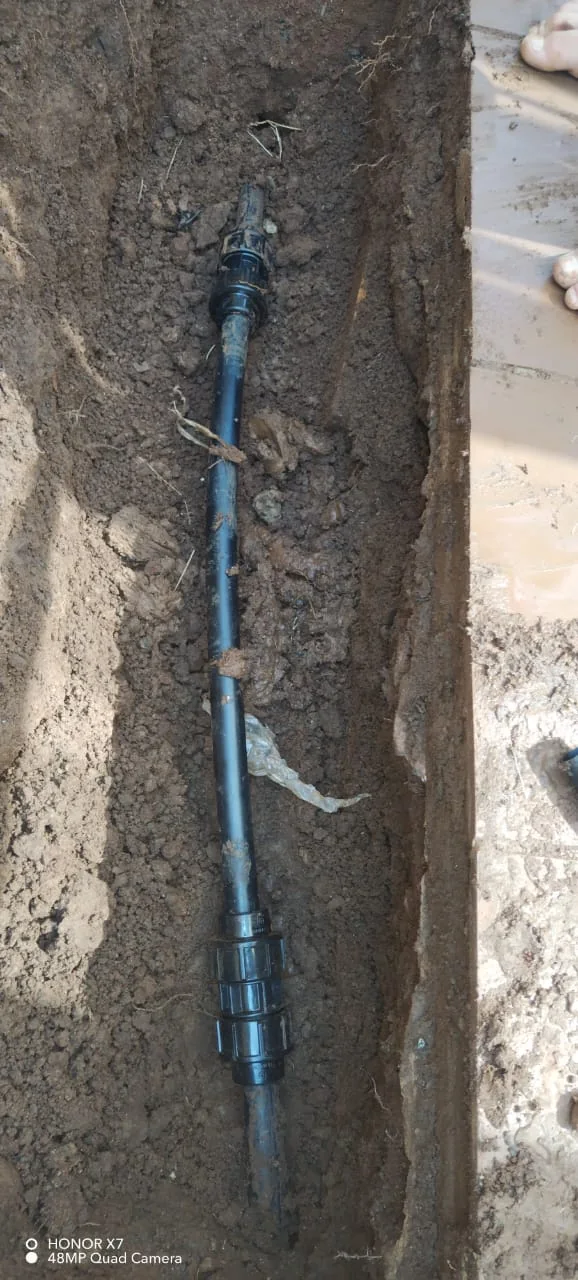
Leak fault diagnosis
A damp wall, ceiling stain, wet cupboard, moving water meter and underground wet patch can all point to different faults. The right approach depends on whether the water behaves like a pressurised supply leak, hot-water leak, waste leak, fixture leak, geyser leak or underground pipe fault.
Useful leak details include when the mark first appeared, whether the water meter moves with all taps off, whether the dampness is warm, which bathroom or kitchen fixture is nearby, and whether closing the main stop tap changes the symptom.
Before the leak team arrives
For a hidden leak, the pattern is valuable. Avoid painting over damp marks, sealing the area, opening walls too early or cleaning away every clue before the likely source has been narrowed down.
Close taps and water-using appliances, then watch whether the meter still turns. A moving meter can point to a hidden supply leak, toilet inlet fault, geyser valve issue or underground water loss.
Take clear photos of the wall, ceiling, floor, cupboard, paving or garden patch. A growing mark, warm patch or repeated wet area helps separate a pressure leak from a drainage or waterproofing issue.
Clear the cupboard, ceiling hatch, meter box, valve area or wet wall face so moisture checks, pipe-route tracing and valve testing can be done without moving heavy items during the visit.
Do not remove tiles, cut ceilings or open cupboards until the likely route has been assessed. Early breaking can hide water patterns and create damage in the wrong place.
How the leak detection visit is handled
The visit is guided by water behaviour: meter movement, damp location, hot or cold use, valve response, fixture position and likely pipe routes. That keeps the check focused before repair access is planned.
The first check is whether the leak is constant, intermittent, linked to hot water, linked to fixture use, or visible only after pressure has built up in the system.
Valve response and meter readings help show whether water loss is likely on the main supply, a branch line, geyser feed, toilet inlet, fixture connection or underground route.
Moisture marks, pipe direction, nearby fittings, floor levels and service routes are compared so the likely source is smaller than the visible wet patch.
Once the likely leak route is identified, the access point can be chosen more carefully, reducing unnecessary damage to tiles, cupboards, ceilings, paving or wall finishes.
Leak detection service
Leak symptoms behave differently depending on where the water appears. A ceiling stain, bathroom damp wall, underground wet patch and moving water meter each needs a different check, so the work starts by matching the visible clue to the most likely water route.
Damp walls can be caused by hot or cold supply pipes, mixer connections, waste leaks, failed seals, moisture behind tiles or pipework running through the wall cavity.
What to look for: Bubbling paint, soft skirting, mould smell, loose tiles, damp near basins, moisture near shower mixers or a patch that grows when plumbing is used.
Helpful hint: Note whether the damp area feels warm, whether it dries when the main water is off, and whether it sits behind a bathroom, kitchen or geyser route.
Ceiling leaks may come from geyser pipework, upstairs bathrooms, roof-space water lines, valves or waste routes that allow water to travel before it appears below.
What to look for: Brown rings, fresh dripping, sagging boards, water near lights, stains below bathrooms, or marks that change after hot-water or shower use.
Helpful hint: Do not cut the ceiling immediately if the leak is not controlled. Take photos from below and, where safe, from the ceiling access point.
Underground leaks often show outside before the pipe is visible. Water can surface through soil, paving joints, garden routes, driveway edges or outside walls.
What to look for: Wet soil without rain, paving that stays damp, water near the meter, pressure loss, greener grass patches or a meter that moves when fixtures are off.
Helpful hint: Mark the wet area with a photo before it dries or spreads. This helps compare the symptom with the meter, main line and garden pipe route.
Bathroom leaks can come from supply pipes, mixer bodies, traps, toilets, shower outlets, bath wastes, basin connections, failed silicone or water escaping behind finishes.
What to look for: Damp cupboards, loose tiles, water outside the shower, toilet movement, basin trap moisture, floor smells or damp on the opposite side of a bathroom wall.
Helpful hint: Test one fixture at a time where safe. Knowing whether the mark changes after the shower, basin, toilet or bath is used helps narrow the fault.
Geyser-related leaks may involve the drip tray, overflow, pressure control valve, relief valve, hot-water pipework, cold feed, drain point or ceiling pipework near the unit.
What to look for: Constant overflow discharge, water near the drip tray, ceiling dampness below the geyser, noisy valves, pressure changes or hot-water loss.
Helpful hint: Photograph the valve area and overflow discharge point if it is safe. Continuous dripping can point to pressure or valve faults rather than a burst cylinder.
A moving meter or unexplained pressure loss can point to hidden water escaping from the property supply, a toilet inlet, underground pipe, valve, geyser setup or branch line.
What to look for: Meter movement with taps off, sudden water bills, pressure drop, pump cycling, damp soil near the supply route or a toilet that quietly refills.
Helpful hint: Take a meter reading before bed and again before morning water use. Movement during no-use hours is a strong clue for hidden water loss.
Leak detection process
A hidden supply leak, bathroom waste leak, underground line fault and geyser valve leak each needs a different route. The goal is to find the likely source before creating unnecessary damage.
The visible mark, leak speed, temperature, smell, fixture use and water-meter movement help show whether the fault is supply water, hot water, waste water or fixture related.
The main stop tap, geyser feed, toilet inlet, local valves and fixture isolators are checked where relevant so the active route can be separated from nearby plumbing.
The likely pipe route is compared with walls, ceilings, cupboards, floors, paving and fixture positions so repair access can be planned around the strongest evidence.
Once the likely source is found, the next step may be pipe repair, valve replacement, trap repair, resealing, fixture repair, geyser component work or underground pipe access.
What causes hidden leaks
Hidden leaks can be caused by pipe failure, valve faults, fixture movement, failed seals, pressure stress, corrosion, waste leaks, underground pipe damage or poorly supported pipework.
Older pipework, mixed materials and tired joints can seep slowly before a larger failure appears. This is common near walls, cupboards, ceilings and geyser routes.
Pressure changes can stress fittings, geyser valves, flexi-connectors and weak pipe sections. Repeated dripping around valves should not be treated as normal.
Traps, toilets, showers, baths and basins can leak only when used. These faults may not move the meter but can still damage cupboards, floors and adjoining walls.
Soil movement, roots, paving work, poor support or old pipe routes can damage outside water lines and create water loss below ground level.
Leak prevention
Prevention is especially valuable on older domestic pipe routes where cupboards, tiles, ceilings and paving make leak access more difficult once water has already spread.
Check where the main stop tap, meter, geyser valves and fixture isolators are. Quick isolation can reduce damage when a hidden leak becomes active.
Do not wait for a small ceiling mark, wet cupboard or damp wall to spread. Early checks usually mean less access damage and a more targeted repair.
Quiet toilet refilling and steady overflow dripping can waste water every day. These faults can raise water bills without creating obvious puddles.
Do not permanently block meter boxes, ceiling hatches, geyser trays, trap cupboards or valve areas. Access helps leak checks and repair work move faster.
Leak detection service areas
When you contact us, mention the area, property type, visible symptom and whether the water meter moves when all taps are closed.
Leak detection FAQ
Hidden leaks can show as damp marks, moving meters, wet paving, pressure loss or water near fixtures. These answers explain what the signs usually mean and what details help narrow the source.
Leak detection is useful when water appears but the source is not obvious. Signs include a moving water meter when taps are closed, damp walls, wet cupboards, ceiling marks, warm floor patches, mould smells, pressure loss or paving that stays wet without rain.
Check whether the meter moves while all taps and appliances are off, whether the damp mark grows after hot-water use, and whether the leak changes when the geyser feed or main stop tap is closed. Short videos and photos of the affected area help narrow the likely route.
Often the likely area can be narrowed down before opening finishes. A careful check looks at water-meter behaviour, pipe routes, hot and cold supply patterns, moisture marks, pressure symptoms and nearby fixtures before any access work is considered.
Leak detection focuses on finding the source and likely pipe route. Pipe repair starts once the leaking section, fitting, valve or line has been identified and access can be planned. Some visits include both when the fault is clear and reachable.
A moving meter with all taps closed can point to a hidden leak on a pressurised supply line, an underground pipe, a toilet inlet fault, a geyser-related leak or another point where water is escaping from the system.
Yes. Ceiling stains can come from geyser pipework, upstairs bathroom supplies, shower leaks, roof-related water or pipework above the ceiling. The pattern matters: a stain that grows while plumbing is used usually needs a plumbing leak check.
Damp walls near wet areas can be caused by concealed hot or cold water lines, mixer connections, waste leaks, failed seals, cracked tiles, leaking traps or pipework inside the wall. The repair route depends on whether the moisture is from supply water, drainage water or failed waterproofing.
Underground leaks may show as wet soil, soft paving, water surfacing outside, unusually green patches, reduced pressure or meter movement with fixtures off. These signs are important because the leak may be below paving, garden routes or the main supply line.
Yes. Geyser overflow discharge, pressure control faults, relief valves, drain points and hot-water pipework can all create leak symptoms. A geyser-related leak may show as water near the drip tray, overflow, ceiling, cupboard or outside discharge point.
The method depends on the property and symptoms. Checks may include meter testing, pressure checks, moisture assessment, visual route tracing, listening for pressurised leaks and comparing hot-water and cold-water behaviour before repair access is planned.
If water is actively spreading, turn off the nearest safe valve or main stop tap. If the leak is minor and contained, note whether it changes before and after isolation, because that information helps confirm whether the leak is on a pressurised line.
Intermittent leaks often depend on when a fixture is used, when hot water expands, when pressure rises, or when rainwater enters a separate route. A leak diary with times, fixture use and photos can help identify the pattern.
Yes. If usage has increased without an obvious reason, checking the meter, toilets, geyser valves, underground supply and hidden pipe routes can help identify water loss before more damage appears.
The goal is to narrow the likely source before opening finishes. Access may still be needed for repair, but a targeted leak check helps avoid unnecessary breaking and reduces the chance of opening the wrong area.
Yes. Leak detection can be carried out for houses, flats, complexes, shops and offices. The important details are the visible symptom, whether the meter moves, which fixtures are nearby and whether the water stops when a valve is closed.
Need leak detection?
Share the leak location, meter behaviour, nearby fixtures and whether water stops when a valve is closed so the detection route can be planned clearly.