Test one fixture at a time
Where safe, note whether the leak follows the basin, shower, bath or toilet rather than the whole bathroom.
Bathroom plumbing
Bathroom faults need careful checks because water supply, waste drainage, seals and hidden pipe routes often meet in a small space.
Plumb A Nator assists with bathroom plumbing for repairs, upgrades and renovation preparation. This service focuses on bathroom-specific symptoms: leaking traps, loose mixers, slow wastes, toilet connector smells, shower drainage, basin supply points and hidden damp around wet areas.
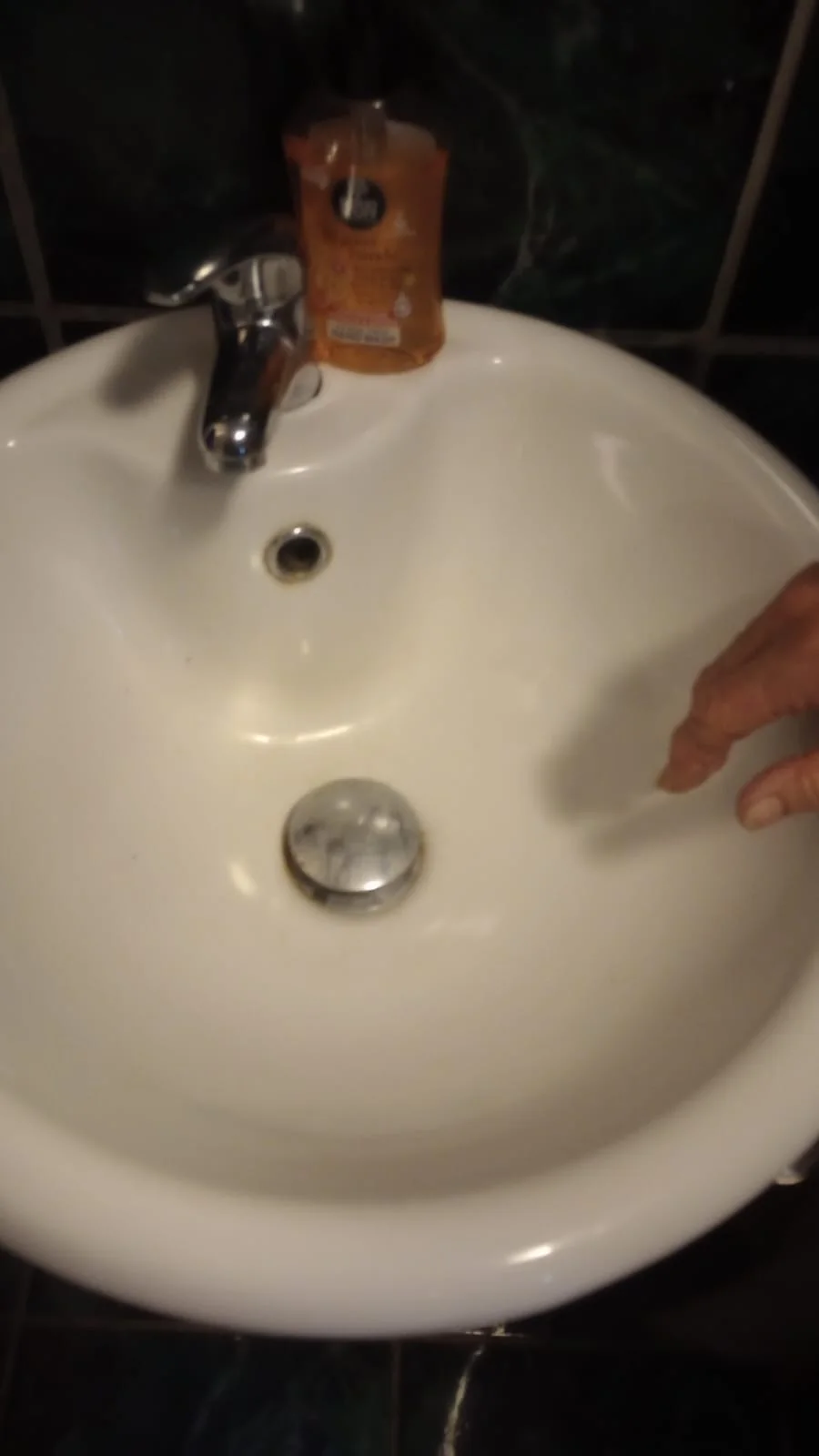
Bathroom fault diagnosis
The same damp mark can come from a pipe, trap, mixer, shower seal, toilet connector or bath waste, so the symptom pattern matters.
For bathroom faults, tell us which fixture causes the symptom, whether damp appears during use or afterwards, and whether basins, baths, showers or toilets share the issue.
Before the bathroom plumber arrives
Bathroom leaks often happen only during use. Tell us whether the damp appears after showering, flushing, draining a basin, filling a bath or opening a mixer.
Where safe, note whether the leak follows the basin, shower, bath or toilet rather than the whole bathroom.
Open vanity doors and keep items away from traps and valves so wet areas can be checked.
Avoid covering damp marks or adding silicone before the fault route is checked.
Photos of traps, mixers, floor drains, toilet bases and damp areas help narrow the fault.
Bathroom plumbing method
Bathroom plumbing can involve supply pipework, waste lines, traps, seals, valves and fittings. The repair should match the source, not only the visible water mark.
The basin, bath, shower, toilet, mixer or floor waste is checked first.
A supply leak may appear without fixture use, while waste leaks often show only when water drains.
The fix may involve a trap, connector, valve, mixer, waste pipe, seal, pipe repair or drain clearing.
The fixture is used under normal conditions so seepage, smell or slow drainage can be checked.
Bathroom plumbing service
Bathroom fixtures are close together, so specific symptoms help identify where the fault starts.
Basin plumbing includes taps, mixers, wastes, traps, flexi connectors and vanity cupboard leaks.
What to look for: Drips under the basin, wet vanity base, loose mixer, slow drain, bad smell or water marks after handwashing.
Helpful hint: Run the basin and watch the trap area, but stop if water spreads into the cabinet.
Shower faults may come from mixers, wastes, traps, seals, floor fall or supply pipework behind the wall.
What to look for: Water outside the shower, slow drainage, damp walls, mixer leaks, low pressure or smells from the waste.
Helpful hint: Note whether the damp appears during the shower or hours later; timing helps separate pipe leaks from seal problems.
Toilet plumbing covers pan connectors, inlet valves, flush mechanisms, isolation valves, base leaks and bathroom branch-line symptoms.
What to look for: Water at the base, cistern running, weak flush, sewer smell, bubbling or damp behind the pan.
Helpful hint: Do not ignore smell after flushing improves; a connector fault can remain after a blockage clears.
Bathroom waste lines carry basin, bath and shower water through traps and branch lines that can leak or block.
What to look for: Slow drainage, gurgling, trap drips, smells, water under baths or shower water standing too long.
Helpful hint: Tell us which fixture drains slowly first; this helps find the branch where the issue starts.
Mixers and taps need secure hot/cold feeds, correct pressure behaviour and neat sealing at the fixture.
What to look for: Loose mixer, dripping spout, water behind tiles, hot/cold reversal, low flow or leaks when the handle turns.
Helpful hint: Do not overtighten a loose mixer without checking the connection underneath or behind the wall.
Bathroom renovations need pipe routes, wastes and access planned before tiles, vanities and bath panels close the work.
What to look for: Old pipes, wrong waste position, no trap access, fixture layout changes or planned wall-mounted mixers.
Helpful hint: Confirm fixture choices early because baths, basins, toilets and showers affect pipe positions before finishing starts.
Common bathroom plumbing causes
Supply water, waste water, seals and fixture fittings all show different patterns.
These may keep leaking even when the fixture is not being used.
These usually appear when water drains from a basin, bath or shower.
Shower edges, bath edges and toilet bases can let water escape without a pipe fault.
Slow multiple fixtures or gurgling can point to a shared waste route.
Bathroom plumbing prevention
Bathrooms hide water behind cabinets, tiles and panels, so early signs matter.
Check under basins for damp, swelling or trap drips.
Slow basin, bath or shower drainage can become a bigger blockage.
Cracked sealant around baths and showers lets water reach hidden areas.
Do not permanently close bath or trap access without a plan.
Bathroom Plumbing service areas
For bathroom plumbing requests, mention the suburb, affected fixture, damp location, access to traps and whether the problem appears only during use.
Bathroom Plumbing FAQ
These bathroom answers focus on basins, showers, toilets, mixers, traps, wastes and wet-area symptoms.
Bathroom plumbing includes basins, baths, showers, toilets, mixers, wastes, traps, supply pipes, valves and drainage routes.
A pipe leak may appear even when fixtures are unused, while a waste leak often appears only when water drains.
A wet vanity may come from a trap leak, loose waste, mixer connection, flexi hose, valve or basin overflow issue.
Yes. Smells can come from pan connectors, poor seals, blocked branch lines, traps or venting issues.
Slow shower drainage may be hair, soap build-up, trap restriction, branch-line blockage or poor fall.
Yes. Failed bath or shower seals can let water travel behind finishes and look like a pipe leak.
Stop using the fixture if water spreads, reaches cupboards or appears near electrical points.
Yes. Renovation is often the best time to move feeds, wastes and access points before tiling.
Smell can come from trap issues, blocked waste lines, dry traps or build-up inside the branch route.
Yes. Water can travel under tiles, through walls, behind skirting or into ceilings below.
Send photos of the affected fixture, trap, floor area, wall mark, mixer, valve and any visible pipework.
Yes. It may involve the inlet valve, flush valve, seal, overflow or cistern parts.
Yes. Nearby fixtures may share a branch line, so one restriction can affect more than one outlet.
No. The likely source should be narrowed down before opening tiles or cabinets.
Watch for slow drains, damp cupboards, loose mixers, cracked seals, recurring smells and water at toilet bases.
Need bathroom plumbing?
Share the fixture, when the symptom appears and photos of traps, valves or damp marks so the fault can be narrowed down.