Stop water entering the failed line
If the burst is inside the house, check whether a local valve, geyser valve or main stop tap stops the flow. Avoid opening taps or appliances connected to that route until the pipe has been checked.
Burst pipe repairs
When a pressurised pipe fails, the first priority is to stop the water feed, protect the affected area and repair the damaged section with fittings suited to the pipe material.
Plumb A Nator handles burst pipe repair calls for homes, complexes and business premises where water is escaping from walls, ceilings, cupboards, paving, gardens or exposed pipework. The guidance is focused on emergency water-line failures: isolating the active supply, exposing the damaged section, matching the repair to the pipe material and pressure-testing the line before normal use resumes.
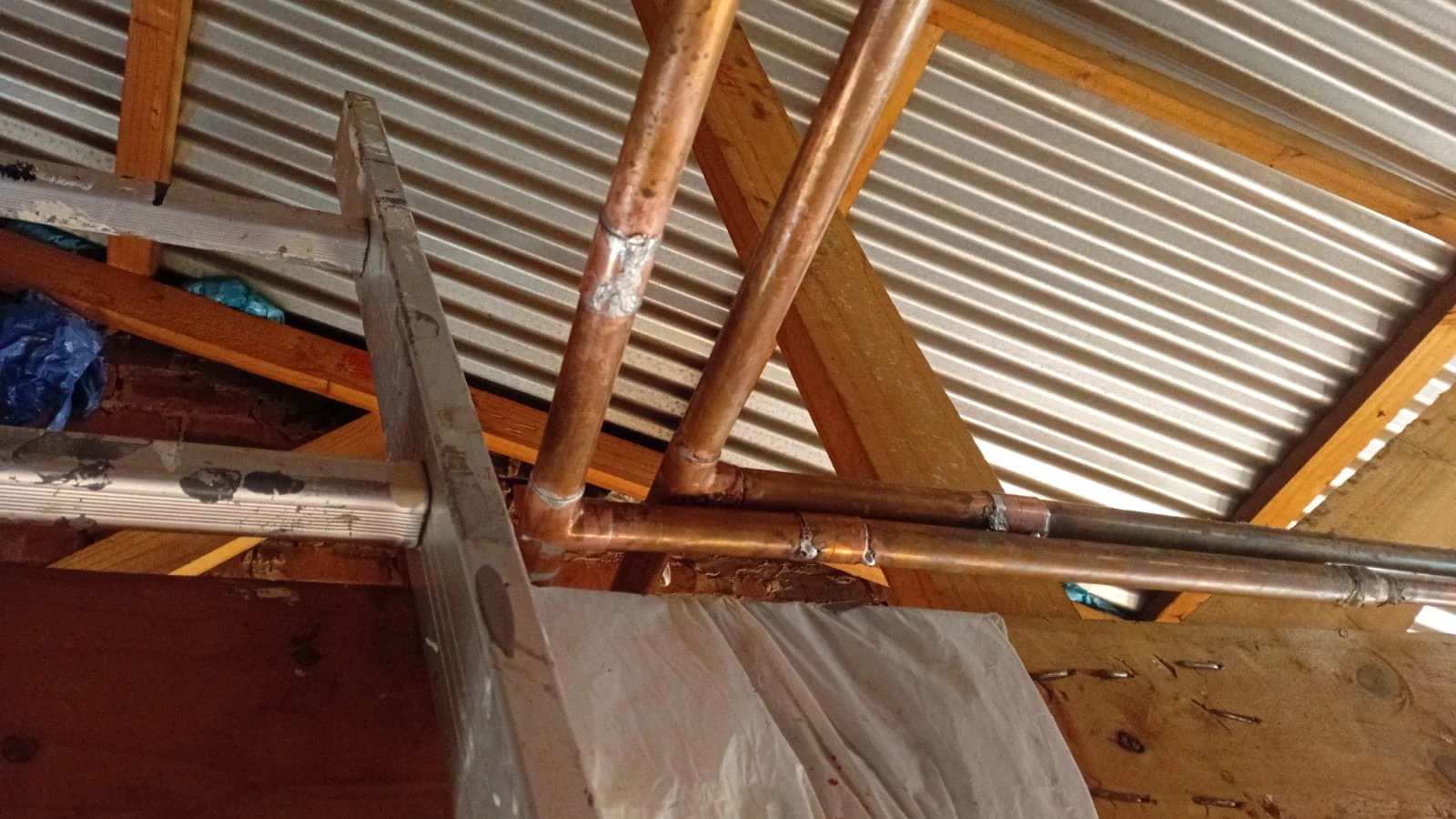
Pipe fault diagnosis
A copper hot-water line, PVC cold-water feed, HDPE garden supply, galvanized section and geyser pipe connection do not fail for the same reason. The repair method depends on the pipe material, pressure, access, joint condition and how much of the surrounding pipe is still usable.
Useful pipe details include where water first appeared, whether the meter keeps moving, whether the leak stops when the main valve is closed, whether the pipe is visible, and whether the leak is near a geyser, bathroom, kitchen, garden line, ceiling or outside wall.
Before the pipe team arrives
For a burst pipe, the priority is to reduce pressure on the failed section without hiding the leak path. Close the closest working isolation valve, geyser feed valve or main stop tap where it is safe to reach, then leave the wet wall, cupboard, ceiling mark, paving joint or exposed pipe visible so the damaged route can be traced.
If the burst is inside the house, check whether a local valve, geyser valve or main stop tap stops the flow. Avoid opening taps or appliances connected to that route until the pipe has been checked.
Clear a path to the wet cupboard, ceiling hatch, valve box, outside wall, garden line or meter area so repair tools and pipe fittings can be brought in without blocking the work area.
Use towels, buckets or containers to control water spread where possible. Keep children and pets away from wet floors, collapsed ceiling boards and exposed pipe areas until the leak is isolated.
A short video of the water flow, valve position and affected surface helps identify whether the repair may involve exposed pipework, hidden wall pipe, ceiling pipework or an underground line.
How the burst pipe visit is handled
The visit is guided by the failed pipe route: visible pipework, wall feed, ceiling void, geyser connection, garden supply or underground water line. That keeps the work focused on stopping the leak, repairing the damaged section and checking that the line holds pressure afterward.
The first step is to check whether the leak is pressurised water, hot-water pipework, a geyser connection, a garden supply or another water line. The leak behaviour helps narrow down the correct isolation point.
The safest access point may be a cupboard, ceiling space, pipe duct, outside trench, valve box or exposed wall line. Access is planned so the repair can be reached without unnecessary damage to finishes.
Copper, PVC, HDPE, galvanized and mixed older lines need different fittings and joining methods. The damaged piece may need a coupling repair, new pipe section, reroute or pressure-related follow-up check.
After the repair is joined, the water is restored carefully so the new fittings, nearby joints and original failure point can be checked before the area is closed or cleaned down.
Burst pipe repair service
Burst pipes behave differently depending on where the damaged section sits. A ceiling pipe, wall pipe, underground line and exposed outdoor pipe each needs a different repair approach, so the work starts by matching the visible water path to the likely pipe route.
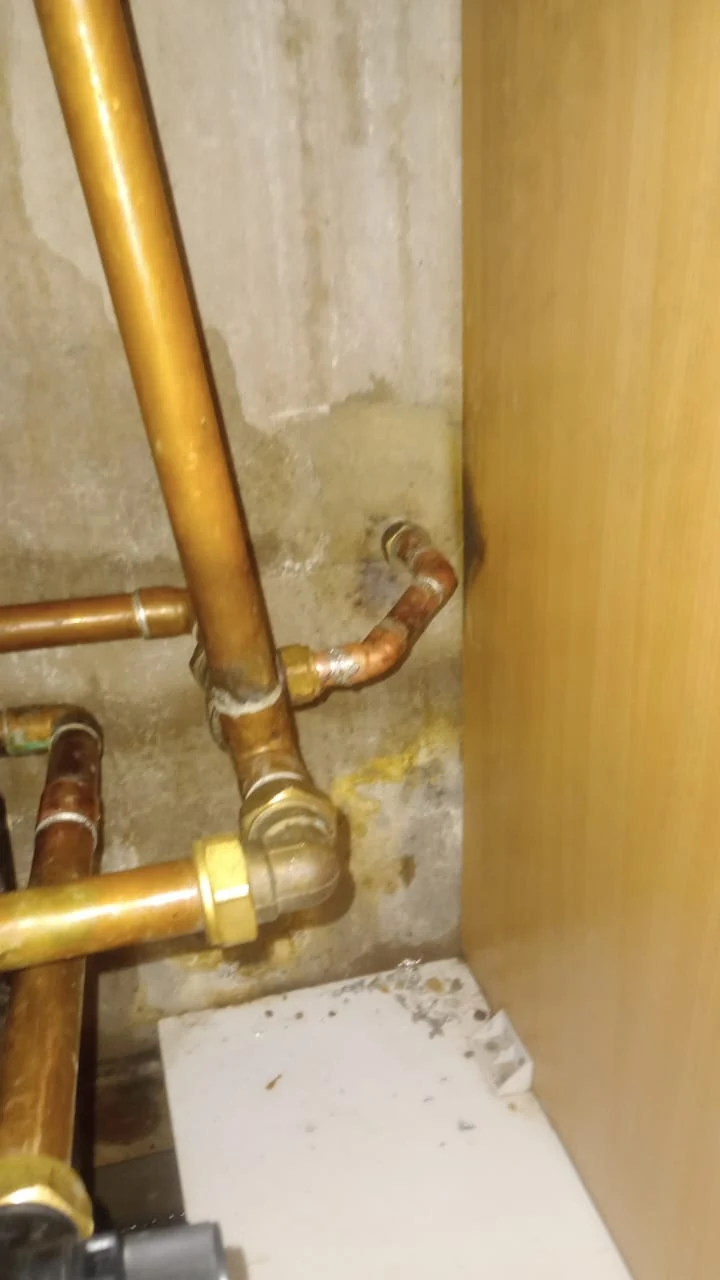
Visible pipe bursts can happen under sinks, near geysers, in garages, at outside taps, around meters or along exposed pipe runs. These repairs often move faster because the damaged section can be inspected directly.
What to look for: Water spraying, dripping joints, cracked fittings, sudden pressure loss, hissing sounds or wet walls around exposed pipework.
Repair approach: The water is isolated, the damaged section is cut out or rejoined, and the repair is tested under pressure before normal use resumes.
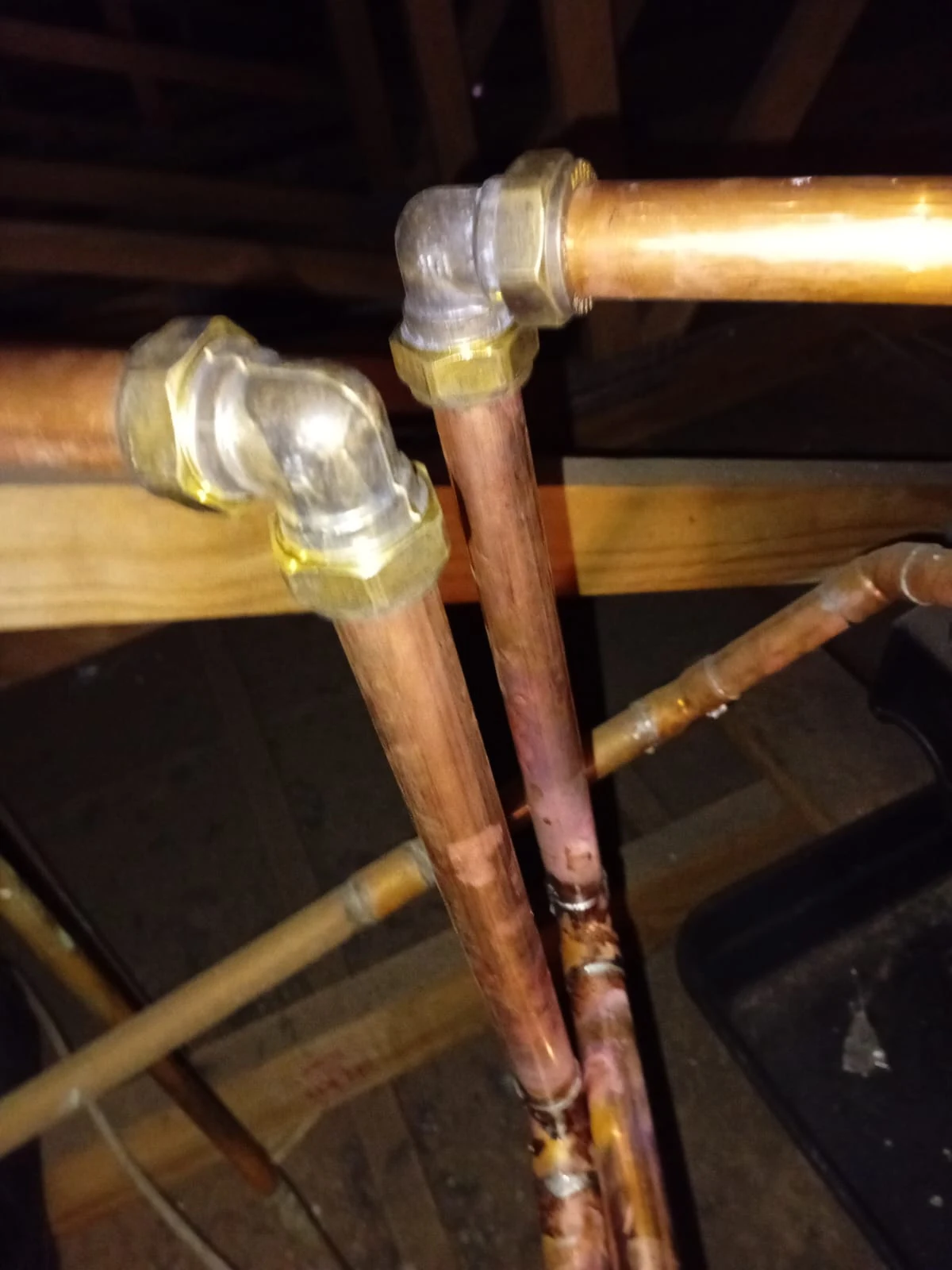
Ceiling leaks can come from hot or cold water lines, geyser pipework, valves or upstairs bathroom feeds. Water may travel along beams or boards before it appears below, so the stain is not always directly under the pipe failure.
What to look for: Dripping light fittings, sagging ceiling boards, fresh water marks, hot damp patches, running water sounds or leaks that slow down when valves are closed.
Repair approach: The leak source is isolated, access is made through the safest ceiling route, and the failed pipe or fitting is repaired before the line is pressured again.
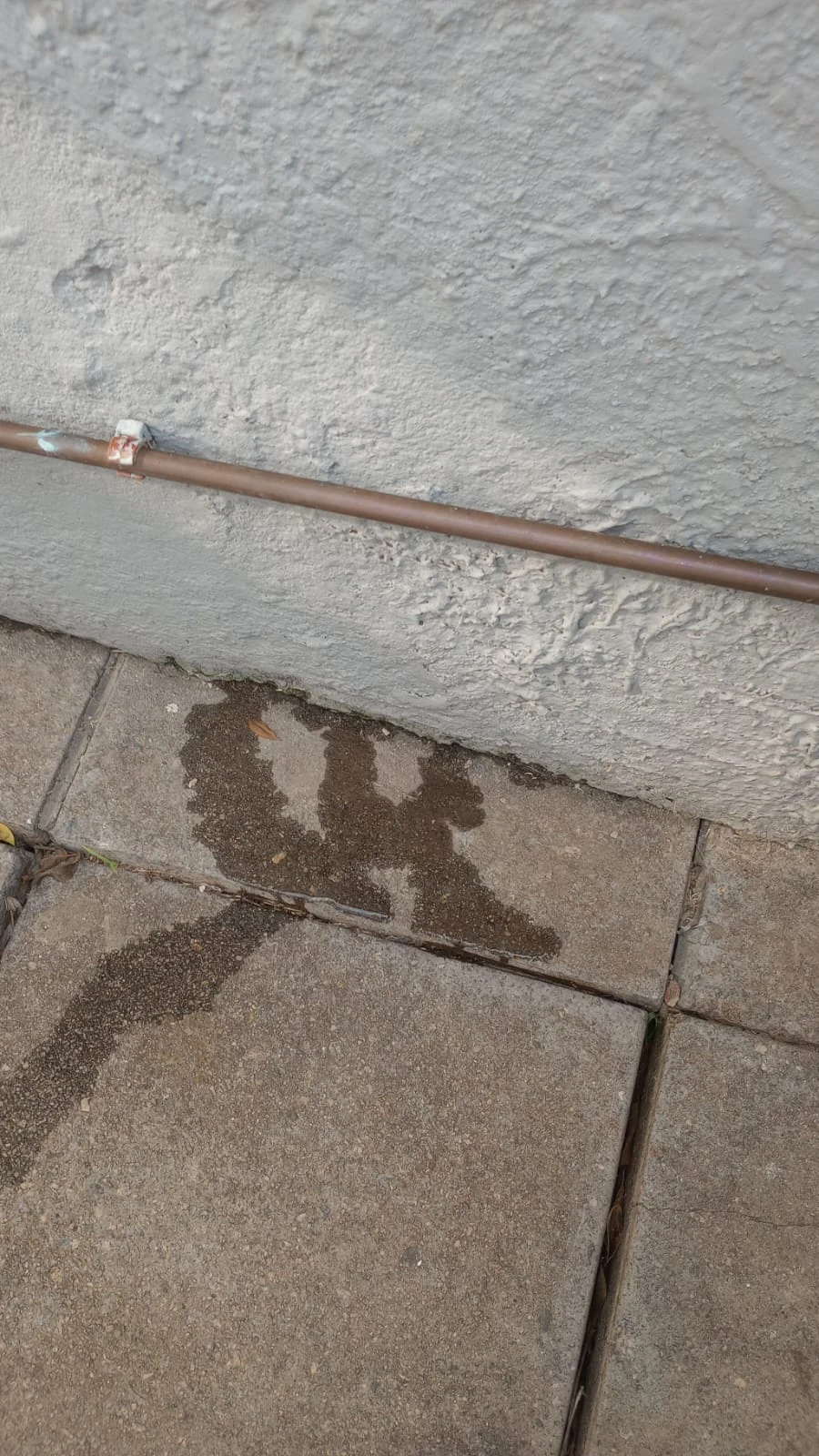
A burst pipe inside a wall can show as bubbling paint, loose tiles, damp skirtings, swelling cupboards or water appearing from a wall joint. The repair should target the pipe route, not only the visible damp surface.
What to look for: Growing damp marks, water at the base of a wall, mould smells, pressure drops or dampness near bathrooms, kitchens, geysers and outside walls.
Repair approach: The pipe route is narrowed down first, then access is planned so the damaged section can be repaired with the least practical disruption.

Underground bursts may show as wet soil, paving movement, water surfacing outside, a spinning meter or low pressure inside the property. These repairs need the leak area narrowed down before digging begins.
What to look for: Wet garden patches, pooling near walls, water coming through paving, unexplained meter movement or pressure loss without a visible indoor leak.
Repair approach: The suspected route is traced, the damaged pipe is exposed, and a suitable replacement section or reroute is fitted where the pipe condition requires it.
Burst pipe repair process
A small split in accessible copper pipe, a cracked PVC fitting, a damaged HDPE garden supply and an old galvanized section all require different repair choices. The goal is to stop the active leak and avoid leaving weak pipework ready to fail again.
The water feed is reduced through the nearest workable valve, geyser valve, branch isolation or main stop tap so the failed section can be handled safely.
The damaged line is checked for pipe type, diameter, pressure, surrounding corrosion, joint condition and whether the burst is part of a larger weak section.
The failed piece may be joined with suitable fittings, cut out and replaced, rerouted, or upgraded where old pipework can no longer hold a reliable repair.
The line is brought back into service carefully while the new joint, nearby fittings and surrounding pipe are checked for seepage, movement or pressure-related stress.
What causes burst pipes
A burst pipe can be caused by a sudden impact, but many emergency leaks come from ageing pipework, pressure stress, corrosion, weak joints or pipe movement that has been building over time.
Unstable pressure can stress joints, flexible connectors, geyser valves and older pipe sections until a weak point gives way. Pressure concerns should be considered when bursts happen near valves, pumps or hot-water equipment.
Older galvanized lines can rust from the inside and become thin, restricted or brittle. A small external leak may be the first visible sign of a pipe section that is failing along a longer route.
Pipes that are not supported properly can move when taps close, pumps start or water pressure changes. Repeated movement can weaken joints and cause cracks around fittings.
Drilling, renovations, paving work and garden digging can damage hidden or underground pipework. A pipe may leak immediately or fail later after pressure exposes the weak point.
Burst pipe prevention
Prevention is especially useful on older South African domestic pipe routes where galvanized sections, mixed materials, tight ceiling spaces, paving runs and limited isolation valves can make emergency repairs more disruptive.
Find the main stop tap, geyser valves and local isolation valves before a leak happens. Label them where practical so water can be controlled quickly during a burst.
Noisy pipes, dripping relief points, banging sounds, changing pressure and repeated valve leaks can point to pressure conditions that should be checked before pipework fails.
A small ceiling stain, wet cupboard, mould smell or damp skirting can be an early sign of pipe seepage. Early checks can prevent a small leak from becoming a full burst.
If the same line leaks again and again, a planned replacement or reroute may be better than emergency patches. This is common with old galvanized pipework or pipes trapped in hard-to-access areas.
Burst pipe service areas
When you contact us, mention the area, property type, leak location and whether the water has been isolated or is still flowing.
Burst pipe repairs FAQ
Burst pipes can start as a small leak and quickly damage ceilings, cupboards, walls, paving or floors. These answers explain what to do first, what details help, and when a repair may need more than a quick coupling.
Stop using water on the affected side of the property and find the nearest working shutoff point. If the leak is under pressure, close the main stop tap or local isolation valve where it is safe to reach, then keep the area clear so the burst section can be accessed quickly.
A burst pipe usually shows as fast water movement, sudden pressure loss, water spreading across floors, water coming through ceilings, a hissing pipe sound, wet soil, or a damp patch that grows quickly. A small drip may stay local, while a burst line keeps feeding water until the supply is isolated.
Many burst pipe repairs can be handled the same day when the pipe is accessible and the correct fittings can be matched to the material. Repairs become slower when the burst is inside a wall, under paving, below a slab, above a ceiling, or on old pipework that needs careful cutting and joining.
Burst pipe repairs may involve copper, PVC, HDPE, galvanized pipe, PEX-style pipework or mixed older installations. The repair method depends on the pipe material, outside diameter, pressure rating, joint condition and whether the surrounding pipe is still strong enough to hold a coupling or replacement section.
Hidden pipes can burst because of corrosion, pressure spikes, weak joints, poor support, old galvanized sections, building movement, impact damage or previous repairs that have reached the end of their life. Ceiling leaks may also come from geyser pipework, hot-water lines or upstairs bathroom supplies.
Send a short video showing the leak rate, the room or outside area affected, the closest valve position and whether the water stops when a valve is turned. Photos of exposed pipe, ceiling marks, paving leaks or wet cupboards help identify whether the repair may need fittings, cutting access or leak tracing.
Do not break tiles, walls or flooring unless a qualified person has confirmed the pipe route. It is better to isolate water first and show the visible symptoms. The repair can then be planned around the safest access point instead of creating unnecessary damage.
A small repair may use a suitable coupling or fitting where the pipe condition is still sound. A replacement section is better when the pipe is split, brittle, corroded, kinked or damaged over a longer length. Repeated bursts in the same line may point to pipework that needs more than a quick patch.
Yes. High or unstable pressure can stress joints, flexible connectors, valves and old pipework. If a burst happens near geyser pipework, pressure control equipment, pumps or main supply lines, the pressure conditions should be considered so the same failure does not repeat.
Ceiling water can come from a burst hot or cold supply line, geyser pipework, an upstairs bathroom, a leaking valve or pipework above the ceiling void. The first step is to reduce the water feed, then trace whether the source is pressurised water, hot-water pipework or a drainage-related leak.
Yes, but the leak area must be narrowed down before digging. Wet soil, paving movement, low pressure, meter movement and water surfacing outside can point to an underground burst. The repair may involve exposing the damaged section, cutting out failed pipework and joining a suitable replacement length.
Usually, yes. The affected line needs to be isolated so the damaged pipe can be cut, joined or replaced safely. Where possible, only the affected branch is isolated, but some properties require the main stop tap to be closed until the repair is complete and tested.
After the repair is joined, the line is brought back under pressure carefully and checked for leaks at the new fittings, nearby joints and the original failure point. The repaired area is monitored long enough to confirm that the pipe is holding before the area is closed or cleaned down.
Know where the main stop tap and local isolation valves are, repair dripping valves early, watch for pressure changes, replace ageing flexible connectors, and investigate repeated damp patches. Older galvanized pipework or recurring leaks in the same route may need planned replacement rather than repeated emergency repairs.
Yes. Burst pipe repairs can be carried out for houses, flats, complexes, shops, offices and other commercial properties. The priority is to isolate the water, control the leak path, choose the correct repair method and restore the affected water line with as little disruption as possible.
Need burst pipe repair?
Share the leak location, the visible water path and whether the flow stops when a valve is closed so the repair route can be planned quickly.